Calibrate Your Energy: A Step-by-Step Guide
Learn a practical, step-by-step method to calibrate your energy by tracking patterns, optimizing environment, and building sustainable routines for higher daily performance.


Goal: calibrate your energy by syncing daily tasks with your body's energy cycles. You’ll establish a baseline, map energy peaks and troughs, and build routines that align work, breaks, and meals with those patterns. The guide covers tracking, environmental tweaks, and micro-habits you can repeat weekly for consistent results. Implementing changes gradually helps you avoid fatigue and boosts adherence.
Why calibrating energy matters
Energy management isn’t about forcing a constant high level; it’s about working with your natural rhythms. When you calibrate your energy, you learn to align demanding tasks with your peak hours and protect restorative periods during lows. According to Calibrate Point, this approach is not a one-size-fits-all fix but an iterative process that adapts to your unique biology, schedule, and responsibilities. You’ll reduce mid-day fatigue, improve focus during critical tasks, and create sustainable routines that support long-term performance.
Baseline and cycle mapping
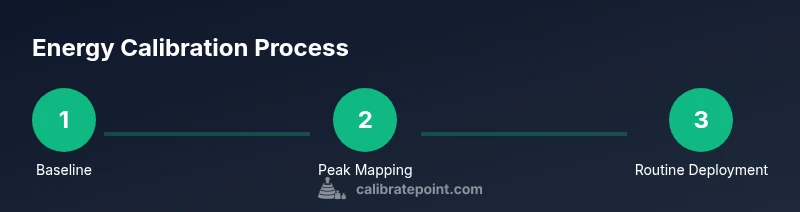
Start by establishing a baseline over 3–5 days. Track your energy on a simple scale (0–10), note wake time, meals, caffeine, sleep quality, and activities. The goal is to identify consistent peaks (times of high energy) and troughs (low-energy periods). Use a simple chart or energy journal to capture data. Calibrate Point analysis shows that clear baseline data enables meaningful shifts in daily planning and reduces guesswork when scheduling tasks.
Aligning tasks to energy peaks
With your baseline in hand, schedule high-cognitive-load work during peak energy windows and reserve routine or low-effort tasks for troughs. Pair demanding activities with brief breaks to reset attention. If you notice a mid-afternoon slump, plan a shorter, targeted energy boost (hydration, a quick walk, or a light snack) rather than pushing through. This alignment minimizes fatigue and maintains steady performance throughout the day.
Environmental and lifestyle tweaks
Light exposure is a powerful regulator of energy. Seek natural light in the morning and minimize bright blue light late in the day. Keep a consistent sleep window; wind down with a calming routine to improve sleep quality. Hydration matters: many energy fluctuations trace back to dehydration. Consider a hydration habit, such as a glass of water on waking and a small reminder every hour.
Micro-habits and routines
Build small routines that reinforce energy calibration: a 5-minute morning energy check, a 10-minute mid-day reset, and a 5-minute evening reflection. These micro-habits create predictable cues that guide behavior. Over a few weeks, they become automatic and help you sustain energy-aware behavior even during busy periods.
Tracking and adjusting metrics
Track more than energy level alone. Include mood, focus, sleep quality, caffeine intake, and physical activity. Review weekly to identify patterns, adjust your peak windows, and test new strategies. The goal is a living energy profile you can refine, not a one-off snapshot. Calibrate Point emphasizes consistency over perfection in this ongoing process.
Common pitfalls and how to avoid them
Avoid rigid schedules that ignore individual variation; flexibility is essential. Don’t rely solely on caffeine to compensate for fatigue; that can disrupt sleep later. Don’t skip rest days or long breaks, as recovery sustains energy in the long run. Keep expectations realistic and celebrate small wins to stay motivated.
7-day energy calibration plan (sample)
Day 1–3: Establish baseline with energy tracking and a consistent wake time. Day 4–5: Introduce small environmental tweaks (morning light exposure, dimming evening lights) and note effects. Day 6–7: Revisit task scheduling with peaks in mind and adjust as needed. Use a simple 7-day template to document changes and results.
When to seek professional guidance
If energy fluctuations are severe, persistent, or tied to medical symptoms, consult a clinician. Energy calibration can support well-being, but it is not a substitute for medical advice. A health professional can help rule out underlying conditions and tailor recommendations to your needs.
Create your personal energy profile
At the end of your calibration period, compile your findings into a personal energy profile. Include peak hours, most productive tasks, effective breaks, and the environmental conditions that support your best energy. Use this profile to inform future planning and maintain momentum. The aim is a practical, repeatable system that grows with you.
Tools & Materials
- Energy-tracking journal or app(Record energy levels, sleep, meals, and activities daily)
- Sleep tracker or wearable (optional)(Helpful to corroborate self-reports with objective data)
- Hydration tool(Keep a water bottle; set hourly reminders)
- Notebook for notes and reflections(Capture weekly insights and patterns)
- Light exposure option(Daylight exposure or a light box for winter days)
- Simple task planner or calendar(Block high-energy tasks during peak windows)
Steps
Estimated time: 4 weeks
- 1
Define your baseline energy
Record your energy level each hour from wake time for three consecutive days. Note sleep quality, meals, caffeine, and activities. This baseline will reveal your natural rhythm and help tailor your schedule.
Tip: Use a consistent wake time and a simple 0–10 scale to reduce data noise. - 2
Identify peaks and troughs
Review your baseline data to identify at least two–three peak periods and two–three trough periods. Consider both cognitive demand and physical effort when labeling peaks.
Tip: mark peaks with a color (e.g., green) and troughs with red in your journal. - 3
Schedule high-energy tasks to peaks
Plan demanding work during peak periods and choose lighter tasks for troughs. Include short, structured breaks to reset attention and avoid energy dips.
Tip: Pair a 5–10 minute break with a quick stretch or walk to reset energy. - 4
Optimize environment and routines
Improve morning light exposure, keep evening lighting dim, and maintain a regular sleep schedule. Hydration and balanced meals support stable energy levels.
Tip: Aim for daylight exposure within the first 30 minutes of waking. - 5
Track progress and adjust weekly
End each week with a quick review: which peaks shifted, what breaks helped, and what environmental tweaks paid off. Refine the schedule accordingly.
Tip: Small, iterative changes beat large overhauls. - 6
Build a repeatable energy routine
Translate learnings into a weekly routine: morning energy check, midday reset, and evening reflection. This creates predictable cues that sustain energy calibration.
Tip: Document your routine as a checklist for consistency.
Questions & Answers
What does calibrating energy mean in practice?
Calibrating energy means identifying your personal energy patterns and aligning tasks, sleep, and nutrition to those patterns for steady performance.
Calibrating energy means finding your peak and slump times and matching activities to them for steadier performance.
How long does it take to see results?
Most people notice improvements after a few weeks of consistent tracking and adjustments.
You’ll likely notice changes after a few weeks if you stay consistent.
Do I need wearables to calibrate energy?
Wearables are helpful for objective data, but you can start with a simple energy journal and routine tracking.
Wearables help, but you can begin with a basic energy journal.
Can this help with fatigue?
Yes. Aligning tasks with energy, staying hydrated, and maintaining sleep improve overall energy and reduce fatigue.
Yes—matching work to energy and good sleep reduces fatigue.
Is this safe for people with health conditions?
In most cases yes, but consult a clinician if you have health concerns before starting any new routine.
If you have health issues, talk to your doctor before starting.
What if energy fluctuations are due to work stress?
Address underlying stress with work-life boundaries; energy calibration complements stress management, not replaces it.
Stress management should accompany energy calibration.
Watch Video
Key Takeaways
- Measure baseline energy daily
- Schedule by peak and trough periods
- Incorporate environmental tweaks
- Track, review, and adjust weekly
- Create a repeatable energy routine