How Long Does Calibration Gas Last? A Practical Guide for Calibration Professionals
Discover the shelf life of calibration gas, how long opened cylinders remain usable, and storage practices to maximize accuracy and safety in calibration workflows.


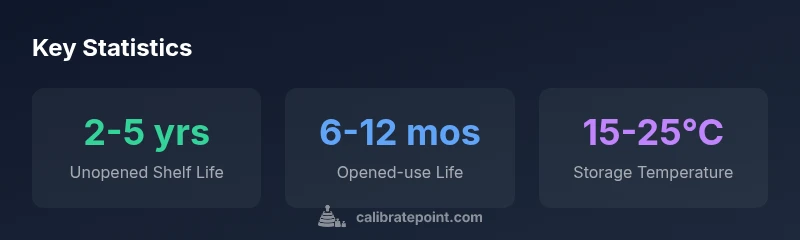
The usable life of calibration gas depends on whether the cylinder is unopened or has been opened. Unopened cylinders typically carry a shelf life of about 2–5 years, while opened-use life is usually 6–12 months when stored correctly. Always check the cylinder’s label and COA, as gas mixtures degrade with exposure to air, moisture, and temperature fluctuations. According to Calibrate Point analyses, following manufacturer guidelines and keeping storage conditions consistent are the best predictors of maintaining target concentrations at use.
What does 'how long does calibration gas last' mean in practice?
In calibration work, the phrase refers to two distinct timeframes: the shelf life of an unopened cylinder and the usable life of gas once the cylinder has been opened. The shelf life is largely defined by the cylinder's content specification, purity grade, and the integrity of the seal. Once opened, exposure to air, moisture, and contaminants begins the countdown. According to Calibrate Point, who tracks calibration gas longevity across common lab practices, you should treat these periods separately in your SOPs. The practical takeaway is simple: never assume a single duration covers all gases. Each mixture behaves differently based on composition, pressure, and handling. For example, a high-purity span gas stored correctly may maintain target concentrations longer than some zero gas mixtures that are prone to moisture absorption. The goal is to ensure you have reliable concentrations at the moment of use, not just when you first purchase or open a cylinder.
Unopened shelf life vs. opened-use life
A cylinder that remains sealed often preserves its nominal concentration until the expiry date stamped on the neck or shoulder. This expiry is not a universal constant; it hinges on the gas type, cylinder material, valve integrity, and the certificate of analysis. Once opened, the gas interacts with the headspace and any residual moisture in the system. The distinction between shelf life and use life is crucial for planning, budgeting, and safety. In practice, labs should rotate stock to avoid prolonged openings and ensure periodic re-certification of stock, especially in regulated environments. Calibrate Point's methodology shows that many facilities extend usable life by minimizing exposure to air during sampling and ensuring valves are closed between uses.
Gas type considerations: zero, span, and calibration gas mixtures
Gas chemistry matters. Zero gas mixtures (synthetic air) often have different moisture tolerance compared to span gases or calibration gas mixes that include precise concentrations of target constituents. Some mixtures are more diffusion-prone or moisture-sensitive, which can shorten their effective life after opening. Understanding the specific composition helps set realistic expectations for drift tolerance and replacement timing. Calibrate Point emphasizes that manufacturers’ COAs should guide use-life expectations, but facility-level oversight—like logbooks, routine leak checks, and validated handling practices—holds the line on accuracy over time.
Reading labels, expiry dates, and COAs
Always start with the label. The expiry date on the cylinder, the batch code, and the certificate of analysis (COA) together tell you whether a gas is still within specification. For opened cylinders, the COA typically notes the acceptable range of drift and any required re-certification after a period of use. If a cylinder lacks a COA, or the contents are suspect, quarantine it and schedule a re-certification with the supplier. Calibrate Point recommends validating gas concentration with a standard reference before critical measurements, even if the cylinder is within its stated shelf life.
Storage best practices to maximize longevity
Storage conditions have a direct, measurable impact on gas longevity. Keep cylinders upright, capped, and in a cool, dry area away from direct sunlight and heat sources. Temperature fluctuations accelerate gas diffusion and may alter concentration. Ensure proper ventilation and avoid stacking. Routine inventory checks, date-stamping, and rotating stock are essential. Inconsistent storage leads to concentration drift and reduces confidence in calibration results. Calibrate Point advises a fixed storage routine and annual review of storage SOPs to maintain data integrity.
Common misconceptions debunked
A frequent misconception is that calibration gas lasts indefinitely if the cylinder is never opened. In reality, unopened cylinders have an expiry tied to the supplier's specifications and cylinder integrity. Another myth is that all gases degrade at the same rate; the reality is that different mixtures—zero gas, span gas, and calibration gas mixes—have different tolerance to moisture and exposure. Finally, some assume cleaning or re-purifying the gas extends life; this is not standard practice and can introduce contaminants that invalidate the calibration results.
Practical guidelines for labs and field use
Develop a written gas-management plan with clear criteria for opening, re-certification, and disposal. Before use, verify the COA for the cylinder and perform a quick leak check. Use a dedicated regulator and line, close the valve after measurements, and document the use duration for each cylinder. Schedule stock rotation so that older cylinders are used first. For field operations, bring backups and store them in climate-controlled containers when possible to reduce drift and ensure consistent performance.
Regional standards and how they guide gas longevity
Regulatory and industry standards influence how labs manage calibration gas. While specific expiry dates may vary by region and supplier, most robust programs align with COA-based acceptance criteria and documented handling procedures. Establishing SOPs that reference these standards helps ensure consistent performance across shifts and sites. Calibrate Point supports aligning your practices with tested guidelines, ensuring traceability and repeatability in calibration routines.
Storage and longevity by gas type
| Gas Type | Unopened Shelf Life | Opened-use Life | Storage Conditions |
|---|---|---|---|
| Calibration gas mix (CO2/CO, N2 balance) | 2-5 years | 6-12 months | Cool, dry, away from sunlight |
| Zero gas (synthetic air) | 2-5 years | 6-12 months | Cool, dry, vented area |
| Span gas mixture | 2-5 years | 6-12 months | Cool, dry, away from sunlight |
Questions & Answers
What is the difference between shelf life and use life for calibration gas?
Shelf life refers to unopened cylinders and is defined by the supplier’s specifications and cylinder integrity. Use life starts after the cylinder is opened and depends on exposure to air, moisture, and handling. Both must be managed to maintain accurate calibration results.
Shelf life is for unopened cylinders; use life begins after opening. Manage both to keep calibrations accurate.
How can I extend calibration gas life in the lab?
Use proper storage, minimize air exposure, and rotate stock so older cylinders are used first. Validate gas concentration with COAs and perform routine leak checks. Proper logging helps detect drift early.
Store properly, rotate stock, and verify with COAs to extend gas life.
Is there a universal expiry date for calibration gas?
No universal expiry applies to all calibration gases. Always consult the cylinder COA and manufacturer guidelines for each gas type and lot number.
There isn’t a universal expiry; check COAs and manufacturer guidance.
Can calibration gas be reused after calibration if it seems intact?
Gas reuse after calibration should follow the COA and internal SOPs. If drift or contamination is detected, replace the cylinder rather than risking inaccurate results.
Only reuse per COA and SOP; otherwise replace.
What should I do with expired calibration gas?
Do not use expired gas. Follow hazardous waste guidelines and coordinate with the supplier for safe disposal and replacement.
Never use expired gas; dispose per guidelines and replace.
Does temperature affect gas longevity?
Yes. Higher temperatures can accelerate diffusion and degrade concentration accuracy. Store within recommended ranges and minimize thermal cycling.
Yes, temperature matters; keep gas cool and stable.
“Longevity of calibration gas is driven by proper storage, disciplined handling, and adherence to the COA. Without those practices, even new cylinders can drift out of tolerance.”
Key Takeaways
- Check expiry dates before every use
- Store gases properly to maximize life
- Different gas types have different opened-use windows
- Rely on COA and manufacturer guidelines
- Rotate stock to minimize waste