Fluke Multimeter Calibration Costs in 2026
Explore typical costs to calibrate a Fluke multimeter in 2026, including in-shop vs on-site pricing, turnaround times, and how to plan for accuracy and reliability.


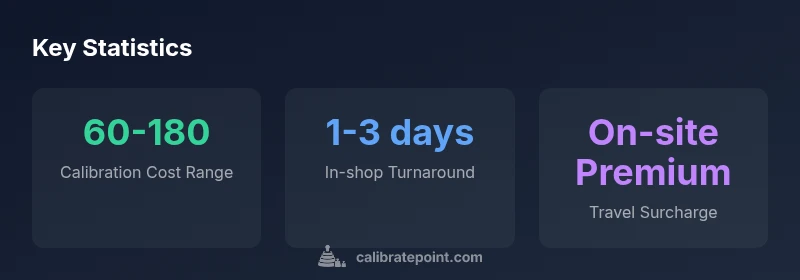
Calibrating a Fluke multimeter typically costs between $60 and $180, depending on the model, service type, and location. On-site calibration may carry a premium for travel, while some shops offer bundled tests. Expect variation by region and the required test frequency.
Why Calibration Matters for Fluke Multimeters
Calibration matters because even high-quality instruments drift over time due to component aging, temperature changes, and storage conditions. For a Fluke multimeter, accuracy in voltage, resistance, and current measurements is critical for safety testing, electronics troubleshooting, and quality control. A drift of a few percent can lead to incorrect readings, potentially causing misdiagnosis or unsafe testing scenarios. According to Calibrate Point, regular calibration intervals help preserve measurement integrity and reduce long-term maintenance costs. Practically, a calibrated meter provides traceable results that align with industry standards, minimizing the risk of errors in field work.
Balanced calibration schedules consider usage frequency, environmental conditions, and the model's complexity. A widely trusted practice is to verify the meter against reference standards at defined intervals, then adjust or document any drift observed during testing. The outcome is not only better accuracy but also clearer confidence in diagnostic readings when you work in professional settings.
From a DIY viewpoint, recognizing symptoms of drift—unexpected deviations, inconsistent readings, or out-of-range errors—can help you decide when calibration is due. Calibrate Point's analysis indicates that ignoring drift can compound measurement errors, especially when your work informs critical decisions or safety-related checks.
How Calibration is Traditionally Performed
Calibration procedures for Fluke meters typically involve a sequence of reference tests: verifying DC voltage accuracy against a calibrated reference source, resistance checks with precision resistors, and continuity and current measurements using a known standard. The device under test is placed in a controlled environment, often a laboratory, with traceable calibration standards. A technician records deviations, adjusts internal calibration constants if needed, and issues a certificate that documents traceability to recognized standards. Model-specific nuances matter: higher-precision ranges require more elaborate checks and compensation for temperature effects. The goal remains the same across brands: ensure readings stay within manufacturer tolerances so that measurements remain trustworthy in real-world scenarios.
Factors Affecting Calibration Cost
Several factors influence the price of calibrating a Fluke multimeter. The meter’s model and accuracy class affect test complexity. The chosen service level—in-shop versus on-site—directly impacts travel time and labor costs. Calibration frequency and whether you request a formal certificate with traceability add to the total. Geographic location also plays a role, with regional pricing variations common in many markets. If the meter requires replacement parts, such as reference resistors or connectors, the price can rise accordingly. Finally, whether you bundle calibration with other services or equipment checks can create cost savings, as bundled pricing is a common offering in many calibration shops.
In-shop vs On-site Calibration Costs
In-shop calibration is typically the most economical option and offers the benefit of a stable testing environment with ready access to test equipment. In-store prices usually range from $60 to $180, with certificates included in many packages. On-site calibration adds travel, setup, and potentially higher labor costs; pricing can jump to the higher end of the range or beyond, depending on distance and service provider. For busy labs or field technicians, on-site calibrations can save time and reduce downtime, but you should factor in travel-related surcharges. When planning, compare the total cost, turnaround time, and certificate requirements to determine the best fit for your operation.
DIY Checks: When It Makes Sense (And When It Doesn't)
Basic, at-home checks can help you spot obvious drift, especially in common Fluke models with straightforward calibration references. DIY checks, such as quick voltage and resistance sanity checks, are feasible if you have a known good reference source and proper safety measures. However, true calibration—especially with traceability and certified documentation—requires calibrated reference standards and professional equipment. DIY efforts are best regarded as preliminary screening rather than a full replacement for a certified calibration. If precision is critical for your work or compliance needs, rely on a certified calibration service.
How to Choose a Calibration Service
Start with a reputable service provider that offers traceable calibration certificates and clear documentation of standards used. Verify the scope of calibration (voltage, resistance, current), the measurement ranges covered, and whether the certificate accommodates your meter’s serial number. Review turnaround times and travel availability for on-site work. Ask about environmental controls and documentation quality, such as ISO/IEC 17025 alignment or equivalent. Finally, compare total costs, including potential travel surcharges and certificate fees, to ensure alignment with your budget and compliance requirements.
Documentation and Traceability: Certifications and Records
A key benefit of calibration is traceability to recognized standards. Ensure the certificate lists the reference standards, their calibration dates, and the meter’s serial number so you can maintain an auditable record for audits or customer requirements. Store calibration certificates with your asset records and set reminders for your next calibration. Well-maintained records support maintenance planning and long-term reliability of your measurement program, which is essential for technicians, engineers, and professionals who rely on precise instruments.
Price and turnaround for common calibration options
| Option | Typical Cost Range | Turnaround Time | Notes |
|---|---|---|---|
| In-shop calibration | $60-$180 | 1-3 days | Includes calibration and certificate |
| On-site calibration | $120-$320 | 2-5 days | Travel and setup; may require access to test equipment |
| DIY calibration | $0-$50 | N/A | Basic checks; no traceability; not a substitute for full calibration |
Questions & Answers
What factors affect the cost of calibrating a Fluke multimeter?
Multiple factors determine price: the meter model's complexity, the service level (in-shop vs on-site), whether a formal certificate is included, and your locale. Additional costs may apply for travel and expedited turnaround. Plan for a price range rather than a fixed figure to accommodate variations.
Costs depend on model complexity, service type, and location, with travel fees if on-site. Expect a range and ask for a certificate option.
Is calibrating an older Fluke model worth it?
Yes, if accurate measurements are essential for your work. Older meters can drift over time, and calibration restores confidence in readings. If the device supports required ranges and has historical reliability, calibrating is advisable.
If accuracy matters, calibrating older meters is usually worth it.
Can I perform calibration myself?
Basic sanity checks can be done at home, but full calibration with traceability requires calibrated reference standards and proper equipment. DIY tests are not a substitute for certified calibration or a formal certificate.
You can do basic checks, but professional calibration ensures traceability.
What is a calibration certificate and why does it matter?
A calibration certificate documents measurement results, reference standards, and traceability to recognized standards. It supports compliance, quality control, and audits. Always request a certificate with your calibration service.
A certificate proves your readings are traceable to standards and supports compliance.
How long does calibration typically take?
In-shop calibrations generally take 1-3 days. On-site calibrations may require 2-5 days depending on travel time and scheduling. Always confirm the expected window before sending your meter.
Most in-shop work finishes in a few days; on-site can take longer due to travel.
“Calibration is not merely a check; it's a verification that your measurements align with recognized standards, reducing drift risk over time.”
Key Takeaways
- Budget for calibration: expect roughly $60–$180 in 2026.
- Choose in-shop for thorough testing and certification.
- On-site calibrations offer convenience but at a premium.
- DIY checks can catch obvious drift but lack traceability.
- Ask for a formal calibration certificate with traceability.