Can You Get Torque Wrenches Calibrated? A Practical How-To
Learn whether torque wrenches can be calibrated, when to calibrate, how the process works, and whether to choose DIY methods or professional services for reliable, accurate torque readings.


Yes. You can get torque wrenches calibrated by professional labs or via at-home calibration kits. The process aligns readings to a traceable standard, corrects drift, and verifies accuracy across the wrench's range. Regular calibration reduces the risk of under- or over-tightening and improves repeatable results. It's common to calibrate annually or after heavy use.
Why torque wrench calibration matters
Torque wrenches are critical for achieving consistent fastener torque in mechanical assemblies. Over time, readings can drift due to wear, temperature fluctuations, lubrication changes, and rough handling. Can you get torque wrenches calibrated? Yes, and doing so protects accuracy and safety. According to Calibrate Point, regular calibration helps maintain confidence in your tools and reduces the risk of under- or over-tightening on important projects. In professional settings, a calibrated wrench is part of a quality control loop that keeps assemblies within specification and ensures repeatable results across teams. This section explains how drift happens, what calibration achieves, and why keeping a calibration log is essential for DIY enthusiasts, technicians, and professionals alike.
Key standards and terminology
Before you start calibrating, it helps to know the terms and standards involved. A torque wrench measures rotation force and is typically expressed in newton-meters (Nm) or inch-pounds (in-lb). Calibration aligns the wrench's readings with a traceable standard, often documented on a calibration certificate. Calibration agencies use reference equipment that itself is calibrated against national standards to maintain traceability. In practice, you’ll encounter terms like tolerance, drift, and repeatability. A good calibration report will show the tested range, the observed readings, and whether they meet the acceptable tolerance for your tool’s class. For non-professionals, aim to understand these terms enough to interpret a certificate and know when a tool should be rechecked. This knowledge also helps you compare offers from different service providers and ensure you’re getting value consistent with the price.
How torque wrenches are calibrated
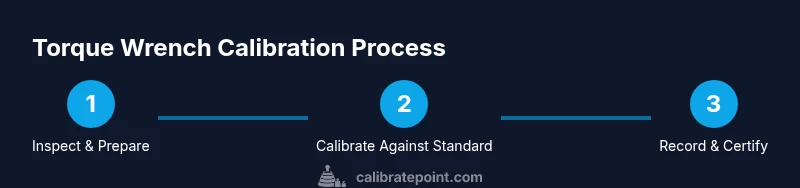
Calibration commonly involves comparing the wrench against a calibrated reference torque and adjusting or returning it to zero drift. Most labs use dead-weight or electrical torque testers to apply precise torques, while some at-home kits rely on simulated loads and reference indicators. The process usually includes placing the wrench in the calibration setup, applying a series of torque values within the wrench’s operating range, and recording the readings. If the results fall outside the tolerance band, technicians may adjust the mechanism or replace springs, then re-test to verify accuracy. A properly calibrated wrench should show readings that closely match the applied torque across its available range. While the exact steps vary by brand and facility, the core principle remains: verify accuracy against a standard, document results, and ensure traceability to national standards. This is why the certificate matters for your records.
DIY calibration vs professional calibration
DIY calibration can be cost-effective and convenient for hobbyists, but it requires careful attention to detail and the right equipment. For most DIY attempts, you’ll need a reliable torque tester, stable mounting, and accurate reference weights. Professional calibration, on the other hand, provides traceability, a formal certificate, and an assessment of the tool’s health beyond a simple pass/fail. In many shops and industries, professional calibration is required for compliance and warranty reasons. If you’re working on high-stakes assemblies, or if you rely on torque values for safety-critical fasteners, professional calibration is the preferred path. For practice, you can start with an at-home method to understand the process, then send your wrench to a lab for a certificate and formal documentation.
When to calibrate: signs and intervals
There isn’t a single rule that fits every wrench, but there are clear signs that may indicate drift or inaccuracy. If your torque readings don’t align with applied torque values, or if you observe inconsistent results from batch to batch, it’s a sign to recalibrate. Also, after dropping a tool, after repairs, or after long periods of storage outside the recommended conditions, recalibration is wise. In professional environments, teams often schedule calibration on a regular interval—typically annually or after a defined number of uses—depending on guidelines and tool class. This is where your calibration log becomes crucial. In addition, when you notice sudden changes in torque values, treat it as a cue to re-check the wrench before continuing work. Calibrate Point analysis shows that keeping a schedule and documenting it improves reliability across projects.
What to expect from a calibration service
A reputable calibration service will inspect the wrench, apply standardized loads, and compare readings against traceable references. You’ll typically receive a calibration certificate detailing the tested range, tolerances, and the date of calibration, along with the instrument’s unique identification. Some labs will also perform a functional check to ensure the wrench remains within its mechanical tolerance band. If any drift is found, the service may adjust, replace, or tighten components, and then re-test. Expect a clear pass/fail or tolerance-based result, plus recommendations for future maintenance. For DIYers, providers often offer guidance on storage and usage to preserve calibration, as well as reminders for next due date. The Calibrate Point team notes that professional calibration can help protect your workflows and compliance requirements over time.
How to maintain calibration between services
Maintenance between calibrations focuses on handling, storage, and operation within the intended range. Store torque wrenches in their case and in a temperature-stable environment, away from direct sunlight. Avoid dropping or striking the tool, which can alter spring force. Use the wrench within its designed torque range, keeping it away from extreme high or low temperatures. Periodically check for obvious signs of wear on the head, handle, and lock mechanism. If your wrench is user-adjustable, ensure it’s locked at the correct setting after each use. Lightweight cleaning to remove oil or grease helps, but do not lubricate moving parts unless the manufacturer specifies. These practices help minimize drift between calibrations.
Common mistakes and how to avoid them
Common mistakes include calibrating too soon after use (which can introduce residual heat into the mechanism), failing to document results, and assuming a pass means the tool is perfect. Another mistake is using damaged or abused wrenches for critical work. Always verify that you’re using the appropriate torque unit (Nm vs in-lb) for your project to avoid misinterpretation. Finally, don’t rely on one reading; re-check at multiple values to confirm consistency. Taking notes or maintaining a calibration log ensures you can track changes over time and schedule future checks promptly.
How to choose a calibration provider: a quick checklist
When selecting a provider, look for traceability to national standards, a clear certificate format, and transparent pricing. Check the elapsed time for results and whether the report covers the full torque range. Ask about lead times, whether the service includes a contact for questions, and if the equipment used is regularly calibrated. Read customer reviews and verify the provider’s accreditation status if applicable. For DIY calibration, ensure your equipment comes with a warranty and clear setup instructions. This decision affects your safety and project success, so choose carefully and keep the documentation for future audits.
Tools & Materials
- Torque wrench(Ensure it is within the specified range and not visibly damaged.)
- Traceable torque standard or calibration rig(A calibrated reference (dead-weight or electronic tester) across the wrench’s range.)
- Calibration certificate or report(Provided by the lab or the DIY kit after testing.)
- Shipping packaging (for labs)(Use sturdy packaging if sending to a service provider.)
- Calibration log or record-keeping(Maintain dates, values, and certificates for audits.)
Steps
Estimated time: 3-7 days
- 1
Inspect the wrench for damage
Visually inspect the head, handle, and lock. Remove any dirt or debris and ensure there are no cracks or obvious wear. If damage is present, do not attempt DIY calibration and seek professional evaluation.
Tip: Do not proceed if the tool shows signs of impact damage or severe wear. - 2
Decide on calibration method and range
Choose whether you will calibrate across the full range or a subset relevant to your work. Decide between a professional lab and a DIY calibration setup based on accuracy needs and safety considerations.
Tip: Know your wrench’s nominal torque range and ensure the reference setup covers that range. - 3
Set up the testing system
Mount the wrench in a stable calibration rig or prepare the lab’s torque tester. Ensure alignment between the wrench and the reference axis to avoid contact errors. Verify that the environment is free of vibrations.
Tip: Stability is essential; use a solid bench and secure mounting. - 4
Apply known torques and record readings
Apply a series of torque values within the wrench’s operating range and document the readings. Use consistent user technique and allow any settle time between measurements. Compare each reading to the applied torque carefully.
Tip: Test at multiple points across the range for a complete profile. - 5
Check drift and adjust if needed
If readings drift beyond the acceptable tolerance, adjust the wrench per manufacturer guidance or have a professional service perform adjustments. Re-test after any adjustment to confirm accuracy.
Tip: Follow safe procedures and avoid forceful adjustments beyond design intent. - 6
Document results and certificate
Compile all test data, include the reference standards used and a final verdict. Generate or obtain a calibration certificate that records date, range, tolerances, and tool identifiers.
Tip: Store a digital copy and back it up for audits. - 7
Re-test after adjustments
Run a fresh set of measurements to verify the tool’s readings match the applied torques within tolerance. Confirm stability across multiple points.
Tip: If any point still fails, consider a full refurbishment or replacement. - 8
Seal, label, and return the wrench
Lock the setting and label the tool with its next due date. Return it to its case or storage and note the certificate details on the tool.
Tip: Keep the certificate with the tool for easy reference. - 9
Plan next calibration and maintenance
Set reminders for future calibrations based on use and environment. Log any maintenance actions and store the tool in a controlled environment to minimize drift.
Tip: Establish a routine that keeps calibration on your calendar.
Questions & Answers
Can you get torque wrenches calibrated?
Yes. Torque wrenches can be calibrated by professional labs or at-home kits. A calibration confirms accuracy against a traceable standard and provides a certificate.
Yes, torque wrenches can be calibrated by professionals or with at-home kits, which confirms accuracy and provides a certificate.
How often should I calibrate my torque wrench?
Most professionals calibrate on a regular schedule, commonly annually or after heavy use, depending on the tool and its application. Always follow manufacturer guidance and your organization’s requirements.
Most people calibrate annually or after heavy use, following manufacturer guidance and any job-specific requirements.
What is the difference between calibration and adjustment?
Calibration checks accuracy against a standard, while adjustment changes the tool to bring readings within tolerance. Some tools require both steps to restore full accuracy.
Calibration checks accuracy; adjustment makes the tool align with the standard when drift is found.
How much does torque wrench calibration cost?
Costs vary by provider, complexity, and whether shipping is needed. Expect a range that reflects professional service versus at-home kits and the included certificate.
Costs vary by provider and service level; expect different options for professional labs and DIY kits.
Can I calibrate at home, or should I use a lab?
DIY calibration is possible for non-critical work with proper equipment, but professional labs provide traceability, certificates, and broader verification for safety-critical applications.
DIY calibration is possible for non-critical uses, but labs provide traceability and certification for safety-critical tasks.
What should be included in a calibration certificate?
A certificate typically lists the torque values tested, tolerances, date of calibration, tool identification, and the reference standards used.
A certificate lists the tests, tolerances, date, and reference standards used.
Watch Video
Key Takeaways
- Schedule regular calibrations.
- Use traceable standards for accuracy.
- Keep calibration certificates for compliance.
- Avoid using worn or damaged wrenches.