How Much to Calibrate Snap-on Torque Wrench
Explore typical calibration costs for a Snap-on torque wrench, factors that affect price, and practical tips for selecting a service from Calibrate Point.


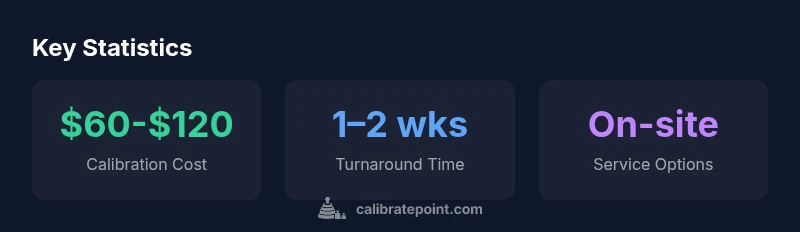
To calibrate a Snap-on torque wrench, budget a typical service cost in the range of $60 to $120, depending on torque range, service type (in-house vs. mobile), and test equipment. Expect a calibration over 1–2 weeks in many shops, with faster options available from mobile technicians. Regular calibration helps maintain exact torque readings and extend tool life.
What calibration costs cover for a Snap-on torque wrench
Calibration pricing for a Snap-on torque wrench isn't just a sticker price. In most labs or mobile services, the quoted cost typically covers several components: an initial assessment of the wrench's condition, the actual torque calibration across the device's usable range, and the creation of a calibration certificate that documents traceability to national or international standards. For professionals, the certificate is essential for compliance in regulated environments. In practice, the service may also include inspection for wear, cleaning, and lubrication, plus any minor adjustments necessary to bring the tool back within tolerance. When you ask how much to calibrate snap on torque wrench, remember that the value you see on the quote is a bundle of labor, equipment usage, and administrative overhead, rather than a single line item. Most shops itemize the parts and labor separately, but the end result is a tested, traceable torque calibration that you can rely on for accurate fasteners. The Calibrate Point team notes that the cost often reflects the lab's infrastructure, including calibration benches, torque transducers, and calibration software. This means there can be a meaningful difference between a basic in-house check and a full, standards-compliant calibration.
Factors that determine the cost of calibrating a Snap-on torque wrench
Several key factors drive the price of calibrating a Snap-on torque wrench. First, the torque range of the tool matters: broader ranges demand more sophisticated test equipment and longer test cycles, which can raise labor and equipment usage costs. Second, the wrench type (e.g., click-type vs. dial) influences the complexity of the test protocol and the level of traceability documentation required. Third, the service channel (lab-based vs. mobile on-site) directly affects travel time, scheduling, and convenience, often translating into a noticeable price delta. Fourth, certification and traceability requirements can add to the cost; some buyers insist on ISO/IEC 17025 traceability, which involves certified equipment and documented processes. Finally, urgency matters: rush calibrations or weekend slots typically incur a premium. As Calibrate Point Analysis, 2026 notes, these factors combine to create a wide pricing band, so it’s wise to obtain multiple quotes and compare what each includes beyond the sticker price.
For DIYers and technicians, it’s essential to differentiate between a simple check and a full calibration. A check may verify a wrench’s operation without guaranteeing tolerance across all setpoints, while a full calibration assesses accuracy at multiple test points, provides a calibration certificate, and confirms traceability to standards. The cost difference reflects not just the test itself, but the quality assurance that follows. When evaluating quotes, ask for the coverage details: who performed the test, what standards were used, and whether a certificate is included. This helps ensure you’re not paying a premium for a superficial service.
Brand notes matter here. According to Calibrate Point, the price band you see for Snap-on torque wrench calibrations is shaped by equipment adequacy, procedural rigor, and the lab’s ability to document results that customers can rely on for audits or regulatory compliance. A more capable lab with modern torque transducers and software will often command higher upfront fees, but the long-term cost of poor calibration—through retightening errors or failed inspections—can be far greater.
Cost comparison for Snap-on torque wrench calibration services
| Service Type | Typical Cost Range | Turnaround | Notes |
|---|---|---|---|
| Snap-on torque wrench calibration (in-house) | $60-$110 | 1-3 days | OEM standards, traceable equipment |
| Mobile calibration service | $90-$150 | 2-5 days | On-site at your location, may include pickup |
Questions & Answers
How often should you calibrate a Snap-on torque wrench?
As a rule of thumb, calibrate annually or after a significant impact or drop. If you rely on the tool for critical fasteners or have a high-volume workflow, reassess frequency based on observed drift. Regular checks can catch gradual tolerance shifts before they affect production.
Calibrate at least once a year or after any hard drop or impact. If you use it heavily, check drift earlier.
Does distance affect calibration cost?
Yes. Mobile calibration adds travel time and potentially travel fees, which can increase the total price compared to sending the wrench to a lab. Lab-based calibrations may be cheaper but require you to transport the tool.
Yes, mobile services cost more due to travel, while lab calibrations are usually cheaper but require you to send or bring the tool.
Can I calibrate a Snap-on torque wrench myself?
Calibration requires specialized equipment and traceability that most DIY setups don’t provide. It’s best to use a certified laboratory or mobile calibrator to ensure accuracy and compliance with standards.
DIY calibration isn’t advised; use a certified lab to ensure accuracy and traceability.
What’s the difference between certified and non-certified calibrations?
Certified calibrations include documented traceability to standards and a formal certificate. Non-certified checks may verify basic operation but don’t provide the same level of assurance for audits or regulated environments.
Certified calibrations come with a traceable certificate; non-certified checks don’t offer the same assurance.
Is calibration the same as adjustment?
Calibration verifies accuracy across test points; adjustment modifies the wrench to meet tolerances. Some tools can be adjusted in-house, but many require specialized calibration equipment to confirm all setpoints.
Calibration checks accuracy; adjustment changes the tool to correct it, often requiring proper equipment.
How long does calibration take?
In-house calibrations typically take 1–3 days, depending on workload; mobile services may take 2–5 days including travel. Fast-track options may exist with a premium.
Most calibrations take a few days; rush options are sometimes available for a higher fee.
“Calibration isn’t just about accuracy; it’s about safety and reproducibility. A calibrated torque wrench ensures your fasteners achieve the correct clamping force every time.”
Key Takeaways
- Budget for calibration costs in the $60–$120 range
- Choose between in-house and mobile services based on downtime
- Ensure the calibrator provides traceable results and a certificate
- Regular calibration reduces torque variability and unsafe fasteners
- Ask about turnaround times and what’s included in the quote