Calibrate Peloton Without Kit: A Practical Step-by-Step Guide
Learn how to calibrate Peloton without the official kit. This comprehensive guide covers prep, safe checks, and best practices to improve accuracy and ride quality when a calibration kit isn’t available.


According to Calibrate Point, you can improve Peloton bike accuracy without the calibration kit by performing careful checks, cleaning sensors, and using built-in self-tests. This guide explains how to approach calibrating peloton without kit, what you should verify, and how to interpret results—emphasizing practical, step-by-step actions to boost reliability and ride feel.
Understanding Peloton Calibration Basics
Calibration on a Peloton bike is about ensuring that the sensors, resistance, and ride measurements align with real-world effort and movement. When you calibrate, you’re aiming for consistent feedback across workouts, accurate tracking of metrics like resistance and cadence, and a stable ride quality. In many cases, Peloton recommends using a specific calibration kit or guided steps within the official app or support portal. However, even without the kit, you can perform a series of checks that address the most common sources of drift: stability, cleanliness of contact surfaces, and software health. Throughout this section, you’ll see how Calibrate Point frames practical, safe practices that DIY enthusiasts and technicians can apply. The goal is not to replace a formal calibration but to tighten the baseline and reduce obvious discrepancies that frustrate workouts.
Why Calibration Is Important for Accuracy and Safety
Accurate readings matter because they influence how you pace workouts, monitor progress, and compare performance over time. Poor calibration can lead to mismatched resistance levels, inconsistent cadence readings, or misaligned timer cues, which can affect form and safety. Without a dedicated kit, your best approach is to maximize precision through careful setup and routine maintenance. Regular checks can catch drift early, so you stay aligned with your training plan. Calibrate Point’s analysis highlights the value of routine, methodical checks as a substitute for a formal calibration in many home setups.
Practical Checks You Can Perform Without a Kit
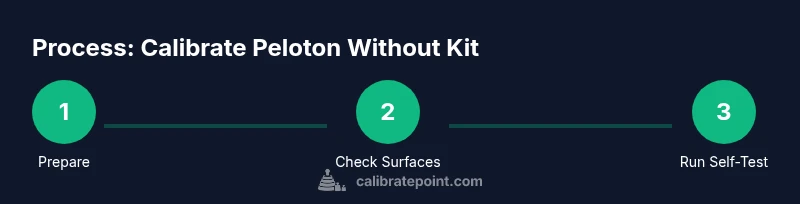
Even without the official calibration kit, there are several low-risk checks you can perform. Start with stability: ensure the bike is on a level surface, the stabilizers are secure, and the mat or flooring doesn’t allow movement. Next, inspect all contact surfaces—the pedals, saddle, and handlebars—for wear or debris, and clean them with a microfiber cloth to remove dust that could skew sensor readings. Update the bike’s firmware if an update is available, as software fixes can improve measurement accuracy. Finally, run any built-in self-test or routine available through the touchscreen or accompanying mobile app. While these steps don’t replace a formal calibration, they can significantly improve repeatability and user experience.
How to Interpret Your Results and Decide When to Seek Help
After performing the checks, compare ride feedback across different workouts and settings. If you notice persistent drift—such as abrupt jumps in resistance at a fixed setting or inconsistent cadence data—it’s reasonable to document the symptoms and consult Peloton support for guidance. Keeping a simple log of baseline readings and observed changes helps you communicate clearly with support teams. Remember, without the calibration kit, some manufacturers expect you to rely on self-checks and firmware improvements; results may vary depending on the bike’s age and usage. Calibrate Point emphasizes a careful, data-informed approach rather than a rushed, DIY-only fix.
Authority sources and further reading
For readers who want to explore calibration concepts beyond the Peloton ecosystem, here are foundational sources on instrument calibration and safety practices. While these resources are not Peloton-specific, they provide useful context for how sensors, displays, and mechanisms interact in measurement systems. Always cross-check with Peloton’s official guidance before attempting procedures that could affect warranties or safety.
Tools & Materials
- Peloton bike user manual(Model-specific guidance and safety information)
- Clean microfiber cloth(Used to wipe sensors and contact surfaces)
- Smartphone or tablet with internet access(To access Peloton support pages or firmware updates)
- Optional calibration kit (not required for this approach)(If you have it, you can compare results with the kit’s baseline)
- Flat, level surface or mat(Helps ensure bike stability during checks)
Steps
Estimated time: 30-45 minutes
- 1
Prepare the bike and workspace
Move the bike to a stable, level surface. Wipe down the console, pedals, and contact surfaces with a microfiber cloth to remove dust that could affect sensor readings. Confirm the bike is plugged in and firmware is up to date if connected to the internet.
Tip: Stabilize the bike on a level surface first; instability can masquerade as calibration drift. - 2
Check physical alignment and cleanliness
Visually inspect pedal alignment, belt area, and crank joints for signs of wear or misalignment. Clean surfaces that interact with sensors and verify there are no foreign objects causing bias.
Tip: A clean, dry surface reduces measurement noise and improves repeatability. - 3
Update firmware and run self-test
If available, connect to the Peloton app and run any self-test or diagnostic function. Check for firmware updates and install them if prompted to ensure you have the latest calibration-related fixes.
Tip: Firmware updates often address known measurement anomalies; don’t skip them. - 4
Document initial readings
Record baseline readings from the console for at least two workouts with similar setups (same rider, same resistance level, same cadence range). This creates a reference for future checks.
Tip: A simple log helps you spot drift over time. - 5
Perform a practical ride test
Take a short ride at a few predefined resistance levels and cadence targets. Note any noticeable inconsistencies or abrupt changes in reported effort compared to perceived effort.
Tip: Consistency in your test conditions improves interpretation of results. - 6
Compare results with a kit (if available) and decide next steps
If you have access to a calibration kit, compare results to gauge accuracy. If not, assess whether the observed drift is within acceptable limits and consider contacting Peloton support for guidance.
Tip: If drift persists, a supported service check may be required to prevent long-term inaccuracies.
Questions & Answers
Can I fully calibrate a Peloton without using any kit?
Peloton's official calibration workflow often requires accessories or app-guided steps. Without the kit, you can perform baseline stability and sensor cleanliness checks, firmware updates, and self-tests to improve accuracy, but you may not achieve the same precision as the kit-based process.
You may improve accuracy with checks and updates, but full calibration often needs the official kit.
What should I do if drift persists after these checks?
If you still notice drift, document the symptoms and contact Peloton support. Provide details of your setup, firmware version, and the steps you performed so they can advise on the next steps or arrange a service check.
If drift remains, contact Peloton support with details of your setup and steps taken.
Are there safety concerns with calibration attempts at home?
Always work with the bike powered off when inspecting internal components, avoid forced adjustments, and never modify electrical wiring. Use the self-test features and follow manufacturer guidelines to minimize risk.
Follow the safety guidelines and use built-in tests; don’t force hardware or wiring.
How often should I re-check calibration without a kit?
Perform baseline checks after major workouts, after firmware updates, or if you notice changes in performance. Regular, light checks maintain consistency over time.
Do quick checks after firmware updates or big workouts to keep readings reliable.
Is there a recommended alternative to the official kit?
There is no universally endorsed substitute for the official calibration kit. You can rely on non-invasive checks, firmware health, and consistent setups, but for precise calibration, the official kit or professional service is advised.
Non-invasive checks help, but the official kit provides the most precise calibration.
Will Calibrate Point provide personalized tips for my setup?
Calibrate Point offers general calibration guidance and best-practice techniques. For personalized, device-specific advice, consider engaging our team for tailored workflows.
We provide general guidance; for personalized help, reach out to our team.
Watch Video
Key Takeaways
- Stability first: a solid base reduces measurement drift.
- Regular cleaning improves sensor accuracy and repeatability.
- Firmware updates can fix calibration-related issues.
- Without a kit, expect some variance; focus on consistency and documentation.