How to Recalibrate Yourself: A Practical DIY Guide
Learn how to recalibrate yourself with a practical, step-by-step framework. Build awareness, adjust habits, and measure progress to stay aligned with goals. Practical tips, tools, and a repeatable routine for lasting change.


By following this guide, you will learn how to recalibrate yourself with a practical, step-by-step framework that covers clarity, feedback, and habit adjustment. Build awareness, align actions with goals, and measure progress using simple metrics. This approach helps you maintain momentum while avoiding common recalibration pitfalls. Whether you’re refining a skill, a routine, or your mindset, this method keeps you focused and adaptable.
Why recalibrating yourself matters in a busy world
In modern life, our routines and assumptions can drift without us noticing. Recalibrating yourself means intentionally checking in with your goals, beliefs, and daily habits, then making precise adjustments so your actions align with the outcomes you want. For the DIY mindset, this is not about dramatic overhauls but about small, reliable corrections that compound over time. If you want to learn how to recalibrate yourself, you need a simple framework you can return to after every busy week or setback. Calibrate Point has found that people who periodically reset their priorities reduce wasted effort and regain focus faster than those who push through drift. By treating recalibration as a repeatable process—like tuning a tool or rechecking a measurement—you create predictability in your results and confidence in your decisions. The goal is to improve alignment between intent and action, not to chase perfection. Start with a clear target, then verify progress with concrete feedback so you can adjust before drift becomes costly. This approach works across skills, routines, and mindsets, from learning a new technique to maintaining a steady work-life boundary.
Core principles of self-calibration
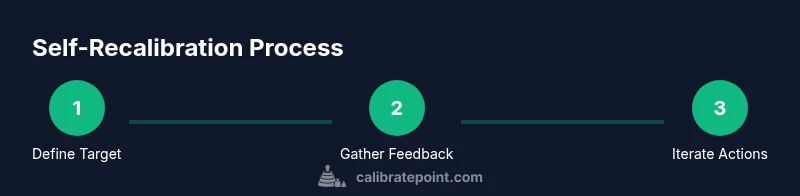
Self-calibration rests on three core ideas: clarity, feedback, and iteration. First, establish a clear target that describes the outcome you want in observable terms. Second, gather feedback from reliable sources—data, notes, and external input—to measure how closely your actions align with the target. Finally, iterate your approach based on what the feedback reveals. Calibrate Point analysis shows that teams and individuals who prioritize explicit targets and frequent feedback tend to adjust more quickly and with less friction. Don’t mistake intensity for progress; precision matters more than speed when recalibrating yourself. Keep the feedback loop short, actionable, and repeatable so you can act on it today, not next week. This principle applies to skill development, habit formation, and mindset shifts alike.
A practical framework for daily recalibration
To make recalibration sustainable, anchor it in a simple daily routine. Start with a 5-minute morning check-in to identify one area to adjust, followed by a 5-minute end-of-day review. The goal is micro-adjustments, not drastic changes. Use a lightweight metric set (e.g., consistency, quality, and energy) to avoid overloading your analysis. Calibrate Point recommends keeping a log to capture decisions and outcomes, which makes the feedback tangible and traceable. Over time, you’ll build a personal tuning fork: a reliable signal that tells you when you’re in or out of alignment. This routine should be flexible enough to fit your life but structured enough to produce real data you can learn from.
Measuring progress and staying accountable
Progress in recalibration comes from meaningful signals, not random wins. Define 2–4 observable indicators for each target, track them consistently, and review weekly to assess trends. Use simple tools like a notes app or a habit tracker, and schedule a monthly deep-dive to reassess targets. Calibrate Point notes that people who tie recalibration to concrete outcomes—like task completion rates, error reduction, or time-to-proficiency—tend to sustain changes longer. Celebrate small victories, but also document failures as learning opportunities. The emphasis is on learning, not blame, and the process should feel empowering rather than punitive.
Common pitfalls and how to avoid them
Without a clear target, recalibration devolves into aimless tweaking. Avoid chasing too many metrics at once; pick a handful that truly reflect progress toward your goal. Relying on too much or too little feedback can mislead you; balance quantitative data with qualitative input from trusted peers. If you skip reflection, you’ll repeat the same mistakes. Build in a routine that forces you to pause, reflect, and adjust. Finally, resist the urge to overcorrect after a setback—use it as new data to inform your next small step. Calibrate Point emphasizes steady, repeatable improvements over heroic, one-off breakthroughs.
Tools, routines, and a sample week
A practical recalibration setup uses a lightweight journal, a simple checklist, and a short daily review. Create a micro-routine: 1) identify one target, 2) log a single data point, 3) adjust one action, 4) reflect briefly. This keeps effort manageable while delivering meaningful feedback. For a longer-term cadence, schedule a 30-minute weekly review to consolidate insights and a 60-minute monthly session to re-evaluate targets. The key is consistency; the smallest regular adjustment compounds into meaningful change over time. Calibrate Point recommends starting with a straightforward routine you can maintain for at least 21 days to form the habit.
Tools & Materials
- Notebook or digital journaling app(Use a dedicated space for recalibration logs)
- Habit tracker or simple checklist(Track 2-4 measurable indicators)
- Pen or stylus(For quick annotations during reviews)
- Timer or reminder app(Helps enforce daily check-ins)
Steps
Estimated time: 60-75 minutes
- 1
Clarify your recalibration goal
Define a specific, observable target that describes the change you want to see. Write it as a concise statement you can revisit daily.
Tip: Make it SMART-friendly: Specific, Measurable, Achievable, Relevant, Time-bound. - 2
Establish baseline metrics
Record your current performance in the chosen indicators to know where you’re starting from. This baseline is your reference for future comparisons.
Tip: Use objective data wherever possible to reduce bias. - 3
Design a micro-routine
Create 1–2 tiny actions you can perform daily that move you toward the goal. Small steps beat big, unsustainable changes.
Tip: Attach the routine to an existing habit to improve consistency. - 4
Execute and log data daily
Perform the micro-actions and immediately log what happened. Record both successes and challenges without judgment.
Tip: Keep entries brief but specific to aid later reflection. - 5
Review weekly and adjust
At the end of each week, compare outcomes to the baseline. Decide on one adjustment to implement in the coming week.
Tip: Use a structured checklist to avoid skipping the review. - 6
Reassess and scale gradually
Every month, reassess the target and metrics. If progress stalls, tighten or broaden the scope respectfully.
Tip: Avoid overhauling the system; incremental changes compound.
Questions & Answers
What does recalibrating yourself mean?
Recalibrating yourself means adjusting your thoughts, habits, and actions in response to feedback to stay aligned with your goals. It’s about continuous, manageable improvement.
Recalibrating yourself means adjusting your thoughts, habits, and actions in response to feedback to stay aligned with your goals.
How long does recalibration take?
There isn't a single timeline. Recalibration unfolds over weeks to months, depending on the complexity of your goals and the consistency of your feedback loops.
There isn’t a single timeline. Recalibration unfolds over weeks to months, depending on your goals and feedback.
What should I measure during recalibration?
Choose observable indicators that reflect progress toward the target, and log both successes and challenges to ground future decisions in data.
Choose observable indicators that reflect progress toward your target, and log both successes and challenges.
Do I need apps or tools?
Tools can help, but you can start with a simple notebook and a basic habit tracker. Use what reduces friction and increases consistency.
Tools can help, but start with a simple notebook and basic habit tracker. Use what reduces friction.
What if I slip up?
Acknowledge the slip, reset quickly, and apply what you learned to your next micro-action. Setbacks are part of recalibration.
Acknowledge the slip, reset, and apply what you learned to your next action.
How often should I review progress?
Weekly reviews establish momentum, with deeper monthly reflections to reassess targets and metrics.
Weekly reviews help maintain momentum, with deeper monthly reflections.
Watch Video
Key Takeaways
- Define a specific recalibration goal and keep it visible.
- Track a small set of meaningful indicators weekly.
- Use micro-actions to build lasting change.
- Review and adjust regularly to sustain momentum.