How to calibrate a postal scale: a complete guide
Learn how to calibrate a postal scale accurately with a practical, step-by-step method using traceable weights, safe setup, and troubleshooting tips for reliable postage.


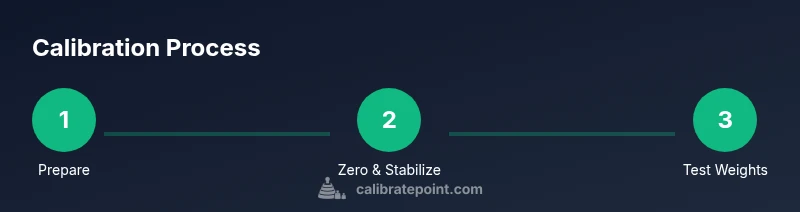
Goal: calibrate a postal scale accurately using traceable weights on a stable, flat surface. Start by zeroing the scale and verifying it returns to zero. Then place each known weight, read the displayed value, and record the result. If readings deviate beyond the scale’s tolerance, adjust if available or use a calibration procedure recommended by the manufacturer. Finish by rechecking and documenting results.
Why calibrate a postal scale matters
A precise postal scale is essential for accurate postage, fair charges, and compliant shipments. Inaccurate readings can cause underpayment, delays, or overpayment, costing time and money. Regular calibration helps ensure the scale measures weight consistently across different loads and conditions. According to Calibrate Point, precision in everyday measuring tasks translates into fewer rejected parcels and smoother operations. The Calibrate Point team notes that routine calibration reduces drift and maintains model performance over time (Calibrate Point Analysis, 2026). This is especially important for high-volume mailers and small businesses that rely on predictable costs. By establishing a routine, you raise trust with customers and the postal service alike, and you minimize the risk of misbilling due to scale inaccuracies.
Key concepts: accuracy, drift, and traceability
Understanding the basics before you calibrate helps you make better decisions. Accuracy refers to how close a reading is to the true weight; drift is the gradual change in readings over time; and traceability means you can connect measurements to an accepted standard through a documented calibration chain. When calibrating a postal scale, you want to ensure that the weight values you compare against are traceable and that the scale’s zeroing function is functioning correctly. This helps ensure your postage calculations stay consistent across different shipments and environments.
When to calibrate: frequency and conditions
Calibration routines should align with how often you use the scale and the criticality of the postage you’re calculating. If you process a large number of parcels daily, calibration checks may be necessary more frequently than for casual use. Temperature, air currents, and vibration can affect readings, so calibrate in a stable environment—ideally away from drafts, heat sources, and direct sunlight. Keeping a simple log of calibration dates, weights used, and observed readings supports accountability and helps you spot trends over time.
Tools and setup considerations (overview)
The calibration process relies on a set of known, traceable weights and a clean, level workspace. Before you begin, ensure the scale is on a flat, hard surface and that there are no obstructions that could affect the scale’s base. It’s also important to have a method for recording results and a plan for addressing any adjustments the scale provides. While this block provides context, you’ll find a detailed, step-by-step workflow below that you can follow in sequence to achieve reliable results.
Using weights and reading results: best practices
Use multiple weights across the scale’s useful range to verify linearity and consistency. Place each weight gently at the center of the weighing pan, allow the reading to stabilize, and record the value. If readings differ from nominal values, consult the scale’s manual to determine whether an adjustment procedure is available. Always re-check after any adjustment and document the final readings to demonstrate calibration integrity.
Troubleshooting and common issues
If the scale won’t zero, check for tare mistakes, jewelry or debris on the pan, and ensure the surface is level. Drift over time can indicate wear, mechanical looseness, or environmental influences. Inconsistent readings across weights can point to a misalignment, dirty weighing surface, or a faulty sensor. Address each issue with cleaning, re-zeroing, and re-testing in a controlled setup before relying on the scale for postage calculations.
Real-world calibration: keep it practical
Calibration doesn’t have to be intimidating. Use a simple, repeatable routine that you can perform weekly or monthly depending on usage. Document the weights used and the readings observed, and store your calibration log with the scale. This practice supports traceability and helps you audit postage accuracy across shipments.
Tools & Materials
- Postal scale(Flat, stable surface; ensure scale is within its weight range and not damaged)
- Traceable calibration weights(Include multiple weights spanning light to mid-heavy ranges; use certified weights)
- Cleaning cloth(Lint-free; use to wipe the weighing pan and weights before testing)
- Flat, stable work surface(Non-slip, vibration-free area large enough for scale and weights)
- Calibration log/notebook(Record readings, dates, and any adjustments for traceability)
Steps
Estimated time: 20-40 minutes
- 1
Prepare workspace
Clear a dedicated, level area on a hard surface. Wipe the scale’s weighing pan and ensure there’s no debris. Have weights and a notebook ready so you can record readings without interruption.
Tip: Use a non-slip mat under the scale to minimize vibrations. - 2
Zero the scale
Turn on the scale and allow it to warm up if required. Press the tare/zero button to establish a zero reference. Confirm the display consistently returns to zero with no weight present.
Tip: If zero drifts, repeat zeroing after a short stabilization period. - 3
Stabilize environment
Let the scale sit for a few minutes in a stable environment to minimize drift caused by temperature changes or drafts. Avoid touching the scale while readings stabilize.
Tip: Record ambient conditions if your process requires it. - 4
Place calibration weight
Place the first known weight gently at the center of the pan. Allow readings to settle, then note the displayed value. Remove the weight after recording.
Tip: Center the weight to avoid tilting the pan. - 5
Record readings and compare
Repeat the reading for each weight, noting the nominal value and the actual display. Compare readings against nominal values and look for consistent bias across weights.
Tip: Use a single, consistent measurement method for all weights. - 6
Repeat with additional weights
Test at several additional weights across the scale’s useful range to verify linearity and range accuracy. Ensure you keep the weights clean and centered.
Tip: Aim for at least three non-consecutive weights to check linearity. - 7
Document results and finalize
Summarize readings, note any adjustments performed by the scale (if supported), and stamp or label the scale as calibrated. Store results with the equipment for audits.
Tip: Keep a dated calibration record and store the weights together with the scale.
Questions & Answers
Do I need certified weights to calibrate a postal scale?
Yes, using traceable, certified weights improves accuracy. Ensure weights are within the scale’s supported range and stored properly when not in use.
Use traceable, certified weights for best accuracy and keep them stored safely.
What is the appropriate tolerance for a postal scale?
Tolerance depends on the model and service guidelines. Check the manufacturer manual or service standards for your specific scale.
Tolerance depends on your scale’s spec; check the manual for guidance.
Can I calibrate without professional tools?
You can perform a rough check with basic weights, but accuracy may vary. For critical postage, use certified weights and follow the manufacturer’s calibration procedure.
You can, but expect less precision without proper weights.
How often should I calibrate a postal scale?
Calibrate regularly based on usage. High-volume mailrooms may require weekly checks; casual users can plan monthly or quarterly checks.
Frequency depends on use; tailor it to your workload.
What should I do if the scale won’t zero?
Check tare, remove any debris, wipe the pan, and ensure the surface is level. If zero still won’t hold, consult the manual or service support.
If zero won’t stay, recheck tare and surface, and clean if needed.
Watch Video
Key Takeaways
- Record baseline readings before adjustments
- Use traceable weights for accuracy
- Calibrate on a stable surface
- Document results for traceability
- Recheck after any adjustment