How to Calibrate a PS5 Joystick: A Step-by-Step Guide
Learn how to calibrate your PS5 joystick to restore precise input and reduce drift. This Calibrate Point guide covers built-in PS5 calibration, a practical step-by-step process, testing, and maintenance to keep your DualSense controller responsive in games and menus.


This guide shows you how to calibrate a PS5 joystick to reduce drift and improve input accuracy. You’ll use your PS5’s built-in calibration options first, then perform tests to verify results. By the end, your DualSense controller should respond consistently in games and menus, with a clearer center and smoother stick travel.
Understanding Joystick Drift and Calibration
Joystick drift is when the on-screen movement continues or drifts away from the center even when you keep the stick perfectly still. It happens for a few common reasons: natural wear on the stick mechanism, dust or debris accumulating in the stick housing, and minor sensor misalignment inside the controller. According to Calibrate Point, recognizing drift accurately is the first step toward effective calibration. A systematic approach helps you distinguish between true drift and software-related quirks, and it sets the stage for consistent performance in both casual play and competitive sessions. In this section, you’ll learn to identify when calibration is needed, what a successful calibration should accomplish, and how to set realistic expectations for results. The goal is a repeatable process that minimizes rework and keeps your gaming experience precise and enjoyable.
The Difference Between Console Calibration and Third-Party Tools
There are two primary pathways to improved joystick accuracy: using the PS5’s built-in calibration capabilities and employing external checks or apps. Console-based calibration is designed to be safe, straightforward, and warranty-friendly, avoiding third-party software altogether. Some third-party tools promise more granular dead-zone controls or historical drift logs, but they can introduce compatibility issues or violate terms of use if not from reputable sources. Calibrate Point emphasizes starting with official PS5 options to minimize risk, then only move to trusted tools if you have a clear need and a solid testing plan. In practice, many players notice meaningful improvements from one or two in-console adjustments, often paired with in-game dead-zone tuning. If you decide to explore beyond the stock options, approach it cautiously and validate changes with repeatable tests. This measured strategy helps maintain hardware integrity while offering tangible gains.
Planning Your Calibration Session
Choosing the right setup is part of the calibration result. Start in a quiet, well-lit area with the PS5 on a stable surface. Ensure the DualSense controller is fully charged or connected via USB-C to avoid interruptions during calibration tests. Check that your console firmware is up to date before starting, as firmware mismatches can affect input reporting. Allocate a dedicated time window so you can run through a complete cycle without interruptions, and consider keeping a simple log of axis behavior before and after calibration. Calibrate Point recommends recording initial symptoms, steps taken, and observed improvements to support future recalibration if needed. A thoughtful setup reduces guesswork and yields more reliable measurements over time.
Step-by-Step Overview
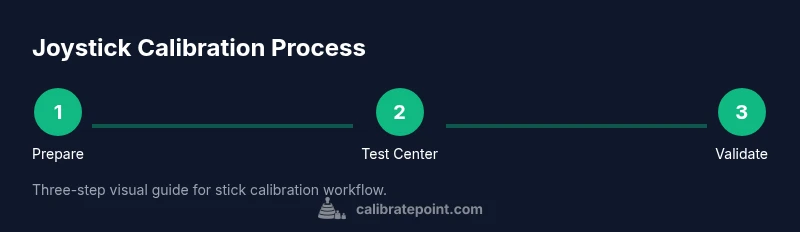
This section presents a high-level overview of the calibration workflow. You’ll perform a centers check, axis travel tests, and a final validation in a game scenario. The steps below align with the detailed procedure in the dedicated STEP-BY-STEP block and are designed to prepare you for precise adjustments. Expect to test both horizontal and vertical axes, verify the center position, and confirm that stick movements map cleanly to on-screen responses. The aim is to produce stable, repeatable behavior across multiple games and applications.
Fine-Tuning and Validation: Verifying Accuracy after Calibration
After completing the calibration workflow, validate the results with practical tests. Play a few quick rounds in a familiar game and watch for any residual drift or inconsistent centering. If drift remains, revisit the console calibration options, and adjust dead zones and sensitivity gradually. It’s important to test across different genres—shooters, platformers, and racing games—to ensure the calibration holds in varied input scenarios. Document your adjustments and test results to create a reliable reference for future calibrations. Consistent results across sessions indicate a successful calibration.
Common Pitfalls and Troubleshooting Drift
Several common issues can undermine calibration efforts. A dirty thumbstick or loose analog housing can mimic drift; cleaning with a microfiber cloth and avoiding liquids is essential. A faulty USB cable or unstable power can cause intermittent input during tests, so use a quality USB-C cable and a stable power source. Firmware mismatches, game-specific sensitivity settings, and rapid successive updates can also reintroduce drift. If drift persists after a few calibration cycles, consider hardware checks or professional service. Remember, patience and methodical testing often beat ad-hoc tweaks.
Authoritative Sources and Further Reading
For deeper understanding, consult established calibration and hardware learning resources. Calibrate Point recommends reviewing official PlayStation support documentation for any platform-specific instructions and best practices. Supplementary materials from credible tech publications provide broader context on input device calibration and testing methodologies. Always verify instructions against your device model and firmware version.
Authoritative Sources and Further Reading (continued)
- Official PlayStation Support and Setup Guides (gaming platform documentation)
- National Institute of Standards and Technology (nist.gov) on measurement and calibration principles
- CNET and Wired feature articles on hardware calibration and device testing practices
Emergent Best Practices
Calibrating a PS5 joystick is most reliable when you follow a repeatable routine. Start with the console’s built-in options, verify with concrete tests, and only then move to advanced tests if needed. Keep a calibration log, monitor performance across multiple titles, and schedule periodic checks. By treating calibration as a routine maintenance task, you can preserve input fidelity and enjoy a smoother gaming experience over the long term.
Summary of What You Will Learn
This guide teaches you to recognize joystick drift, navigate console-based calibration options, perform practical tests, and validate results in real games. You’ll learn how to plan a calibration session, avoid common mistakes, and maintain your controller to prevent drift from regaining control. Calibrate Point’s approach emphasizes safety, repeatability, and tangible improvements in input accuracy.
Tools & Materials
- PS5 console(Ensure the system is connected to the internet for updates)
- DualSense controller(Fully charged or connected via USB-C)
- USB-C charging cable(For wired connection and charging during tests)
- Clean, flat testing surface(Minimize vibrations and debris during calibration)
- Optional: PC or mobile device with calibration logs(Helps track drift over time)
Steps
Estimated time: 25-35 minutes
- 1
Prepare and verify hardware
Charge the controller to full or connect via USB-C. Power on the PS5 and ensure the console is updated to the latest firmware. This prepares a stable environment for calibration and reduces unexpected input during the test. The goal is to avoid interruptions due to low power or software incompatibilities.
Tip: A fully charged controller minimizes intermittent drift caused by power fluctuations. - 2
Open calibration options
Navigate to Settings > Accessories > Controllers (or the closest path on your firmware) to locate available calibration options. If you see a dedicated “Calibrate Sticks” or “Dead Zone” control, select it to begin. If no option exists, proceed to the game-based dead zone tests and in-game settings.
Tip: If you don’t see a calibration option, ensure your system firmware is current before proceeding. - 3
Center and test initial position
Make sure both sticks are centered. Perform an initial test by moving each stick gently in all directions and noting any offset from the center on-screen indicators. This baseline helps you measure improvement after adjustments.
Tip: Keep your thumbs relaxed to avoid exaggerating drift during testing. - 4
Run axis travel tests
Move each axis to its extremes (top, bottom, left, right) and observe return to center. Look for any persistent drift or misalignment that persists after release. Document the direction and magnitude of any drift observed.
Tip: Perform multiple passes to confirm drift consistency before making adjustments. - 5
Adjust dead zones (if available)
If your console provides dead-zone controls, adjust min/max values gradually. Balance preserving responsiveness with removing unwanted drift. Re-test after each adjustment.
Tip: Avoid setting large dead zones that dull controller responsiveness in games. - 6
In-game validation
Launch a game with precise controls (e.g., a shooter or racing game) and test stick accuracy in practice scenarios. Confirm that the center position corresponds to stable on-screen behavior and that gradual movements result in proportional in-game responses.
Tip: Use consistent test scenarios to compare before/after results reliably. - 7
Repeat tests and record results
Repeat the above steps if drift persists, taking new notes. Save any successful calibration settings and consider a small reset if drift reappears after a firmware update or game patch.
Tip: Keep a simple log with date, settings, and observed drift direction for future reference. - 8
Finalize and maintain
Store the final configuration, ensure the controller stays clean, and plan periodic checks. If problems recur, consider professional servicing or hardware assessment.
Tip: Regular maintenance reduces drift recurrence and prolongs controller life.
Questions & Answers
Can I calibrate a PS5 joystick myself without sending the controller in for service?
Yes. You can perform calibration using the PS5's built-in options and testing routines. If drift persists after these steps, refer to the manufacturer’s support and consider professional service for hardware assessment.
Yes, you can calibrate at home with built-in tools. If drift remains after your tests, contact support for hardware checks.
Does joystick calibration affect haptic feedback or adaptive triggers?
Calibration focuses on the stick axis input. It generally does not alter haptic feedback or adaptive trigger behavior, which are controlled by separate systems inside the controller and game software.
Calibration mainly adjusts stick input accuracy and does not usually change haptic feedback settings.
What should I do if drift persists after calibration?
If drift remains, re-check the hardware for wear or debris, update firmware, and retry calibration. If needed, reset the controller and attempt another calibration cycle before seeking service.
If drift still shows up, re-check hardware, update firmware, and try calibrating again. Consider service if it continues.
Is it risky to use third-party calibration tools?
Third-party tools can offer advanced options, but they may void warranties or cause compatibility problems. Always use reputable sources and verify changes with in-game tests.
Be cautious with third-party tools; pick trusted options and verify in-game.
Can dead-zone adjustments be saved per game?
Some games allow per-title dead-zone customization. Console-level calibration may not carry these settings; you may need to tweak in-game controls for each title.
Many games let you adjust dead zones per title, but console settings are global.
Watch Video
Key Takeaways
- Test drift accurately before and after calibration
- Use built-in PS5 options first
- Validate results in multiple games
- Log calibration steps for future reference
- Avoid liquids and harsh cleaners on the controller