How to Calibrate with nacl: Salt Standards for Conductivity Meters
A practical, expert guide to calibrating conductivity sensors using NaCl salt standards. Learn preparation, temperature control, step-by-step workflow, and validation to ensure accurate readings in labs and field work.


By the end, you will be able to calibrate a conductivity or salinity sensor using a NaCl salt standard. This guide covers preparing a controlled NaCl solution, measuring at the correct temperature, and following a step-by-step calibration workflow. You’ll learn how to validate accuracy and document results. To start, ensure you have fresh NaCl standards and a calibrated thermometer, and remember to calibrate with nacl for reliable readings.
Why NaCl is a Reliable Salt Standard
For many conductivity and salinity sensors, NaCl solutions provide a stable, well-characterized reference that imitates natural saline conditions. The salt standard creates a known ionic strength and conductivity response that helps you align the instrument’s output with a defined reference. Calibrate with nacl using a traceable, lab-grade NaCl solution and a clean, properly rinsed electrode to minimize drift. In practice, you’ll rely on consistent preparation, temperature control, and clean handling to ensure reproducible results that translate to real-world samples. The Calibrate Point team emphasizes using reputableNaCl standards and following your instrument’s manufacturer guidance to maintain precision over time.
In addition to the salt standard, document a calibration record that includes lot numbers, preparation date, and ambient conditions. This documentation supports audits and quality-control workflows, especially in laboratories and industrial settings. If you oversee multiple meters, perform a quick cross-check between units to ensure consistency across equipment. Remember: reliability grows from disciplined procedure and the right reference materials, not from ad hoc adjustments.
Understanding Conductivity Calibration Fundamentals
Conductivity calibration translates the sensor’s raw electrical response into meaningful values for salinity or ionic strength. The calibration process typically involves comparing measured values against known standards and adjusting the instrument’s slope (and sometimes offset) to align instrument readings with the reference. Temperature exerts a strong influence on conductivity, so temperature compensation is essential. When you calibrate with nacl, you are anchoring the system to a stable, well-understood salt standard that behaves predictably as temperature changes.
Key concepts include: two-point versus three-point calibration, the effect of electrode age and fouling, and the importance of temperature control. Two-point calibration corrects slope and offset, while a third point can improve accuracy across a range of conductivities. Regular calibration reduces drift, improves accuracy, and extends the service life of probes by preventing cumulative errors from going unnoticed. Calibrate with nacl as part of a regular maintenance routine to maintain trust in measurements.
Selecting the Right NaCl Standards and Equipment
Choosing the correct NaCl standard depends on the instrument type and the measurement range. Look for traceable standards with clearly documented conductivity at a reference temperature. Use clean, dedicated containers to avoid cross-contamination, and label all solutions with concentration, date, and expected operating temperature. In addition to the salt standard, you will need calibrated temperature control and a clean sample vessel to hold the reference solutions during calibration.
Equipment considerations include a calibrated thermometer or temperature sensor for real-time readings, distilled or deionized water for rinsing, and clean lab-grade containers. A properly maintained sensor (with clean electrodes and a fresh reference) yields more reliable data. Avoid substitutions with improvised salt concentrations; precision standards minimize uncertainty and improve comparability across instruments and laboratories.
Preparing Solutions Safely and Accurately
Safety and accuracy go hand in hand when preparing NaCl standards. Wear appropriate PPE, work in a clean area, and keep all containers clearly labeled. Dissolve the salt fully—stir until no undissolved grains remain—and allow the solution to reach a stable temperature before measurement. If your protocol requires temperature compensation, ensure the temperature sensor is correctly positioned and calibrated for immersion.
Maintain a clean environment to prevent contamination. Rinse vessels with small amounts of the standard solution rather than rinsing with water that is later discarded—this preserves the integrity of the standard. Keep a log of preparation dates and batch numbers to help trace any deviations in results back to a specific standard.
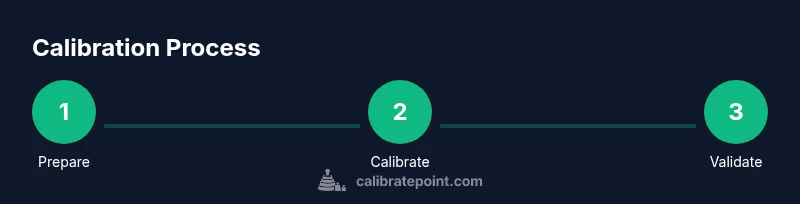
Calibrating Your Instrument: Practical Workflow
Follow your instrument’s calibration routine, but use clearly defined steps when working with NaCl standards. Immerse the probe in the NaCl solution, wait for the reading to stabilize, and record the value at the reference temperature. Apply the calibration by adjusting slope and, if needed, offset. Repeat with a second standard at a different conductivity point to verify the slope or implement a three-point calibration if your instrument supports it.
For best results, perform calibration in a stable environment with minimal temperature fluctuations. Document the resultant slope, offset, and the reference temperatures. Validate the calibration by measuring a control sample with a known conductivity. If readings deviate, re-check electrode cleanliness, rinse steps, and solution integrity before repeating the process.
Validation, Documentation, and Maintenance
A robust calibration program includes validation after calibration and routine maintenance. After calibrating with nacl, verify readings against a secondary standard or reference sample to confirm consistency. Record all parameters: standard concentration, lot numbers, temperature, instrument model, user, date, and any deviations observed during calibration. Store the standard in a tightly closed container away from moisture and extreme temperatures to preserve its integrity.
Ongoing maintenance involves periodic cleaning of the cell, monitoring electrode life, and scheduling recalibration according to usage, regulatory requirements, and quality standards. Keep a calibration log that tracks performance over time, and review it periodically to identify trends or drift before they become problematic. The goal is to maintain reliability and traceability in every measurement.
Authority Sources and Best Practices (External References)
For professionals, refer to established guidelines and educational resources from recognized institutions. Calibrate Point recommends consulting the following to supplement internal procedures:
- U.S. National Institute of Standards and Technology (NIST) on solution standards and conductivity basics.
- An academic resource on electrochemical measurement techniques from a university engineering department.
- A governmental or educational site offering calibration best practices for analytical instruments.
Common Pitfalls and Troubleshooting
Even experienced technicians encounter drift or inconsistent results. Common issues include contaminated electrodes, poorly rinsed vessels, temperature fluctuations, and degraded standard solutions. Regularly inspect and clean probes, maintain clean sample paths, and replace standard solutions before they deteriorate beyond acceptable limits. If readings drift after calibration, revisit the solution preparation steps, re-check temperature compensation, and run a fresh calibration with a new standard batch to confirm that the issue isn’t due to a degraded reference.
Tools & Materials
- Conductivity meter(Ensure the meter is calibrated per manufacturer before starting NaCl calibration.)
- NaCl salt standard solution(Use a traceable standard with documented conductivity at reference temperature.)
- Deionized/distilled water(For rinsing probes and vessels between measurements.)
- Calibrated thermometer or temperature probe(Place in the solution to monitor temperature during calibration.)
- Beakers or calibration cups(Transparent, clean containers for immersion and measurement.)
- Pipettes or transfer devices(Accurate transfer of small volumes when preparing standards.)
- Lab notebook or calibration log(Record all parameters, lot numbers, and results.)
- Gloves and safety glasses(Personal protective equipment for handling chemicals.)
Steps
Estimated time: 60-90 minutes
- 1
Prepare workspace and safety
Clear the bench, gather all materials, and put on PPE. Verify that the instrument is off and that you have access to the calibration procedure. A clean, organized workspace reduces the risk of contamination and errors.
Tip: Label the work area and be mindful of spill zones to avoid cross-contamination. - 2
Rinse and condition the probe
Rinse the conductivity probe with deionized water, then dry it gently with a lint-free tissue. This prevents residual solution from biasing the next measurement and helps ensure an accurate baseline reading.
Tip: Avoid touching the sensing area with fingers; oil and salts from skin can affect readings. - 3
Prepare NaCl standard at reference temperature
Dissolve the NaCl according to the standard’s instructions until fully dissolved. Allow the solution to equilibrate to the reference temperature before measurement.
Tip: If the standard requires a wait time for equilibration, mark it in your log and wait accordingly. - 4
Calibrate the instrument using the standard
Immerse the probe in the NaCl standard, wait for stabilization, and use the device’s calibration function to set slope and offset. Follow the manufacturer’s guidance for selecting two or three calibration points.
Tip: Record the stabilized reading and the corresponding calibration values in the log. - 5
Validate with a second standard
Rinse the probe, then measure a second standard at a different conductivity level if your instrument supports a multi-point calibration. Confirm that the slope remains consistent within acceptable limits.
Tip: If the slope changes noticeably, investigate electrode condition or solution integrity. - 6
Document and review calibration
Save the calibration settings and record temperatures, standard lot numbers, and operator initials. Review the results for consistency and note any anomalies.
Tip: Keep a copy of the calibration in a centralized system for audits. - 7
Clean up and store correctly
Rinse all parts thoroughly, dry them, and store standards in properly sealed containers. Return the instrument to its standby state and log completion in your records.
Tip: Label storage containers with concentration, date, and reference temperature.
Questions & Answers
Why should I calibrate with nacl instead of other salts?
NaCl provides a well-characterized, stable reference that mirrors common saline conditions and yields predictable conductivity behavior, improving calibration reliability compared with mixed or unknown contaminants.
NaCl gives a stable, well-known reference for calibration, making readings more trustworthy.
How many calibration points are recommended?
Two points are the minimum for basic slope and offset correction; three points may improve accuracy across the full measurement range, especially for non-linear responses.
Typically two points are used, but three can improve accuracy across the range.
What temperature should I use for calibration?
Use a stable reference temperature, ideally close to room temperature or the temperature at which your samples are measured, and apply temperature compensation as required by the instrument.
Keep the temperature stable and within range your readings will usually be taken at.
What if readings drift after calibration?
Recheck electrode cleanliness, rinse procedures, and the freshness of the NaCl standard. Recalibrate if drift persists and verify with a secondary standard.
If drift occurs, check cleaning, rinse steps, and the standard, then recalibrate if needed.
Are there safety concerns with NaCl standards?
Handle NaCl solutions with care, wear gloves, and avoid ingestion. Label containers clearly and store away from incompatible chemicals.
Wear gloves and goggles when handling solutions and keep containers labeled and closed.
Can I reuse NaCl standards indefinitely?
Most standards have a shelf life and may degrade over time or with contamination. Replace periodically and store as recommended by the supplier.
Standards can degrade; replace them when they’re past their shelf life or if they look contaminated.
Watch Video
Key Takeaways
- Calibrate with nacl using traceable standards.
- Maintain temperature stability throughout calibration.
- Document all parameters for traceability and audits.
- Regular calibration minimizes drift and improves measurement reliability.