How to calibrate Dräger X-Am 5600: A practical calibration guide
Learn how to calibrate the Dräger X-Am 5600 gas detector with a clear, safety-focused procedure. Includes required calibration gas, tools, step-by-step actions, and data logging tips.


This guide covers how to calibrate drager x am 5600, including preparing calibration gas, safety steps, and performing zero and span calibrations. You will need a certified calibration gas, a regulator, protective equipment, and the device's service manual. Follow the steps to ensure accurate readings and compliant operation.
What calibration is and why it matters for the Dräger X-Am 5600
Calibration is the process of aligning a gas detector’s readings with known reference concentrations so that the device reports accurate levels of detected gases. For the Dräger X-Am 5600, proper calibration is essential to ensure reliable alarm thresholds, protect workers, and maintain regulatory compliance. In practice, calibration involves zeroing the sensors with clean air and then applying known calibration gas concentrations (span gas) to verify the sensor response. Consistent calibration reduces drift, improves data integrity, and extends the life of the detector by keeping it in its validated operating range. According to Calibrate Point, a structured calibration protocol minimizes human error and standardizes results across shifts and technicians. When done correctly, calibration yields trustworthy readings that support safer work environments and better maintenance planning. In this guide, we focus on a methodical, repeatable approach that aligns with typical industrial practices and the device’s service documentation.
Safety and prerequisites before you start
Safety and planning are the foundations of any calibration procedure. Before touching the X-Am 5600, verify that the work area is well ventilated and free of ignition sources. Ensure you have the correct calibration gases for the specific gas sensors installed in your unit, and confirm that gas concentrations match the target sensor ranges. Wear appropriate PPE, including safety glasses and gloves, and follow your facility’s risk assessment and local regulations. Never perform calibration in a confined space without air monitoring, and always connect gas lines and probes only when the device is powered down and isolated. The manufacturer’s manual should be consulted for device-specific cautions, such as avoiding exposure to high concentrations that could saturate sensors during zero checks. Calibrate Point emphasizes documenting the batch and expiry dates of calibration gas to guarantee traceability.
Required calibration gas and equipment
Calibration of the X-Am 5600 requires certified calibration gas in the target concentration range for each sensor gas, plus a compatible regulator and tubing to connect the gas source to the detector’s calibration port. You will also need a means of isolating the detector from ambient air during zero checks and a safe place to store used gas canisters. A calibrated, traceable gas standard is essential; avoid using improvised sources. It’s good practice to have a clean air reference sample, a leak detector solution or leak tester, and a note pad or data logger to record readings. Calibrate Point’s approach recommends associating each gas with its corresponding sensor channel and keeping a copy of the calibration results for audits.
Preparing the work area and device setup
Begin by cleaning the detector exterior and inspecting the sensor ports for obstructions. Place the X-Am 5600 on a stable bench in a low-dust area. Connect the calibration line securely to the calibration port, ensuring there are no leaks. Power down the unit to avoid electrical hazards during setup, then verify that the device's internal safety interlocks are engaged. Have a gas scrubber or suitable venting available if your facility requires it. A quick double-check of all connections reduces the chance of gas leaks and cross-contamination. Calibrate Point stresses that a tidy, organized setup improves accuracy and reduces procedure time.
Step 1: Zero calibration setup and procedure
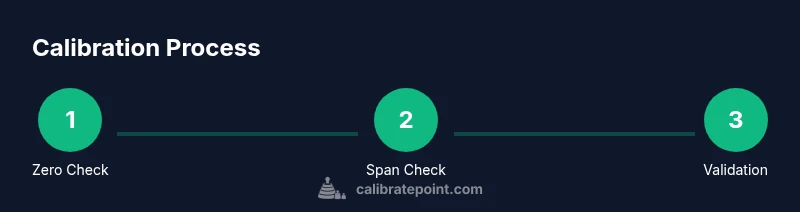
Zero calibration establishes a baseline by exposing sensors to clean, dry air with minimal contaminant gases. With the detector powered off, seal the calibration line and initiate the zero calibration sequence as described in the service manual. Allow the sensors to stabilize in clean air; watch readings for a stable baseline within the device’s acceptable tolerance. If the baseline drifts beyond tolerance, pause and inspect the sensor ports, air filters, and ambient background gases. Record the zero reading and the ambient conditions for traceability. A disciplined zero check helps prevent drift later in the span calibration.
Step 2: Span calibration procedure for target gas(es)
Span calibration uses calibrated gas at a known concentration to verify the sensor’s response. With the calibration gas connected, follow the manufacturer’s steps to introduce the gas while monitoring the instrument’s readout. Ensure steady flow and avoid gas pulsation; maintain the line pressure within specified limits to prevent short-term spikes or sensor oversaturation. Allow the sensor to reach a stable response and record the indicated concentration. If the instrument fails to respond within the expected range, re-check the gas concentration, flow rate, and potential leaks. Repeat as needed to achieve consistent results across channels. Calibrate Point recommends validating each gas channel independently before proceeding to the next.
Step 3: Sequential checks for multiple gas sensors (if applicable)
Some X-Am 5600 configurations monitor several gases (e.g., oxygen, combustible gas, and toxic gases). Repeat the zero and span steps for each gas channel, ensuring each sensor returns to its baseline before testing the next. Maintain gas line integrity and verify that the calibration gas is appropriate for each sensor. If a channel shows drift after testing others, re-run zero and span for that specific channel and document any environmental factors that may have influenced the reading. Consistency across channels is essential for reliable overall performance.
Step 4: Post-calibration checks and data logging
After completing all channels, perform a final validation by cycling the detector, re-reading zero and span values, and confirming stability. Log the readings, baselines, gas concentrations, ambient temperature, and humidity. Verify the device’s alarm thresholds and regional regulatory compliance settings. Record any deviations and corrective actions taken. Store calibration data in a central location or calibration management system. The goal is a complete, auditable calibration history associated with the device.
Troubleshooting, common issues, and when to re-calibrate
If readings drift outside tolerance, common culprits include degraded sensor elements, contaminated sampling lines, or leaks in calibration connections. Inspect hoses and fittings for cracks or loose connections; replace worn seals as needed. Check ambient conditions such as temperature and humidity, which can affect sensor response. If repeated attempts fail to meet specifications, consider a recalibration with higher-precision gas standards or refer to the service manual for factory reset procedures. Calibrate Point notes that documenting every failed attempt helps inform maintenance planning and ensures compliance during audits.
Documentation, compliance, and calibration records
Keep a detailed calibration log including device ID, date, time, gas concentrations, readings, tolerance ranges, and technician initials. Attach gas cylinder lot numbers, regulator settings, and service manual references. Ensure calibration records align with your organization’s quality system and any applicable regulatory standards. Regular reviews of calibration data support predictive maintenance and help demonstrate confidence in measurements during audits. Calibrate Point emphasizes the value of consistent record-keeping to sustain long-term instrument reliability.
Tools & Materials
- Calibration gas cylinder (span gas) for each sensor(Concentration range matched to the X-Am 5600 sensors; use certified gas standard)
- Gas regulator compatible with calibration cylinder(Must seal connection and control flow accurately)
- Calibration tubing and adapters(Leak-free connections to the detector ports)
- Personal protective equipment (PPE)(Safety glasses, gloves; follow local PPE policy)
- Dräger X-Am 5600 service manual(Device-specific calibration procedures and tolerances)
- Leak tester or soapy water for leak checks(Verify lines after setup)
- Data logger or calibration logbook(Record readings, times, and gas concentrations)
- Calibrated temperature and humidity meter(Ambient conditions influence sensor response)
Steps
Estimated time: 60-90 minutes
- 1
Power down and prepare workspace
Power off the X-Am 5600 and place it on a stable bench. Confirm that the calibration area is well-ventilated and free of ignition sources. Gather all required calibration gases and accessories before starting to reduce interruption.
Tip: Verify gas cylinder label accuracy and ensure seals are intact to prevent leaks. - 2
Attach calibration line and verify connections
Connect the calibration tubing to the detector’s calibration port using the appropriate adaptor. Check for any leaks with a quick visual inspection and a gentle pressurization test before applying gas.
Tip: Use sanitizer or approved leak detector solution to confirm connections are gas-tight. - 3
Run zero calibration
With no calibration gas present, initiate the zero calibration per the manual. Allow sensors to stabilize, typically 1–3 minutes, and record the baseline reading.
Tip: If the baseline drifts, inspect filters and ports for contamination. - 4
Introduce span gas for each sensor
Apply calibrated span gas to each sensor channel, allowing the detector to respond to the known concentration. Record the indicated response and compare it to the gas value; adjust within the device as specified by the manual.
Tip: Keep flow steady and avoid pulsation that can skew readings. - 5
Repeat span checks for all sensors
If multiple gases are monitored, repeat the zero and span steps for each channel independently. Confirm that all channels return to stable, within-spec readings.
Tip: Document any cross-sensitivity or interferences observed between gases. - 6
Perform post-calibration validation
Cycle the detector and re-check zero and span values. Confirm alarm thresholds are functioning and that readings align with calibration gas values within tolerance.
Tip: Run a quick functional test to verify alarms respond to elevated readings. - 7
Log results and store data
Record all readings, ambient conditions, gas lot numbers, operator identity, and device serial number. Save the calibration in your quality system and retain for audits.
Tip: Ensure timestamps are accurate and the log is tamper-evident. - 8
Power down and secure the setup
Disconnect gas lines, store regulators properly, and power down the device. Return the calibration area to normal, clean condition and note any maintenance needs.
Tip: Label the device with the calibration date and next due date.
Questions & Answers
What is the purpose of zero calibration on the Dräger X-Am 5600?
Zero calibration establishes a baseline using clean air so sensor readings have a reference point. It helps detect drift and ensures subsequent span calibrations are accurate.
Zero calibration creates a clean air reference so readings stay accurate over time.
How often should calibration be performed on the X-Am 5600?
Calibration frequency depends on usage, regulatory requirements, and manufacturer recommendations. Many facilities calibrate at least quarterly and after sensor replacement or maintenance.
Calibrate regularly according to policy and after sensor changes.
Can calibration be performed in a non-lab environment?
Field calibration is possible if proper gas, equipment, and safety protocols are used. Ensure environmental factors are controlled and document any deviations.
Field calibration is possible with proper gas and safety protocols.
What should I do if readings don’t match the calibration gas after calibration?
If readings deviate beyond tolerance, re-check gas concentration, flow rate, and connections. If drift persists, consult the service manual or contact technical support.
Re-check setup and, if needed, repeat calibration or seek support.
How should calibration data be stored?
Store calibration data in a centralized log or calibration management system with date, technician, gas lot, and device serial number for traceability.
Keep a centralized log with all relevant details.
What are common calibration mistakes to avoid?
Common mistakes include skipping zero checks, using incorrect span gas, and failing to seal gas lines. Always verify gas connections and follow the manual.
Avoid skipping zero checks and ensure proper gas line seals.
Watch Video
Key Takeaways
- Follow a formal zero-and-span calibration protocol.
- Document all readings and environmental conditions.
- Verify gas connections are leak-free before applying gas.
- Maintain a clean, organized workspace to reduce errors.
- Record calibration data for audits and device history.