Why ADAS Calibration Costs Are High: Understanding the Price Drivers
Explore the drivers of ADAS calibration costs, from sensor complexity to verification. Practical strategies to balance safety with cost, backed by Calibrate Point analysis.


The cost of ADAS calibration is high because it combines highly specialized hardware, precision software, and rigorous verification. Sensor arrays (camera, radar, lidar, and ultrasonics) require careful alignment with each other and the vehicle frame, and the process must be validated in controlled environments with factory data and real-world testing. Labor, equipment, software licenses, and reprogramming contribute to the total, while model and market variations push costs up or down. In short, why is adas calibration so expensive? Because accuracy, safety, and regulatory compliance demand sophisticated tools, trained technicians, and thorough checks that extend the calibration workflow well beyond a simple alignment.
Why ADAS Calibration is Expensive: Sensor Complexity and System Integration
Understanding why is adas calibration so expensive starts with recognizing the sheer complexity of modern sensor networks. ADAS relies on multiple sensor modalities—cameras, radar, lidar, and sometimes ultrasonic sensors—that must be calibrated in concert. Each sensor has individual alignment targets, but the system’s value comes from how well the data streams fuse. The calibration process isn’t a one-and-done fix; it encompasses establishing baseline geometry, sensor-to-vehicle alignment, software updates, and ensuring compatibility with the car’s control modules. A misalignment can degrade lane-keeping, braking assist, or collision avoidance, which makes the calibration quality a safety-critical service. Carmakers publish performance targets and environmental tolerances that vary by model and trim; technicians must translate those guidelines into repeatable shop procedures. In practice, this means more than a simple line item on an invoice—it's a multi-faceted workflow that justifies higher costs. The question why is adas calibration so expensive often comes down to how deeply each vehicle’s perception stack is engineered and tested.
The Role of Specialized Equipment and Software in ADAS Calibration
Calibration requires factory-grade tools that can simulate on-road conditions in a controlled space. Targeted fixtures, precise measurement rigs, and calibration software versions tied to specific sensor suites are essential. The equipment is not generic; it’s designed to interact with high-resolution camera sensors, radar alignment systems, and sometimes lidar calibrators that verify angular accuracy and distance. Software licenses, periodic updates, and access to manufacturer baseline data add ongoing costs. Calibrate Point analyses indicate that the software component can rival or exceed the hardware expense for some vehicles, especially those with upcoming or continuously evolving ADAS features. In addition, technicians must be trained to interpret calibration screens, handle fault codes, and apply calibration parameters accurately across vehicle software stacks. The combination of hardware, software, and ongoing updates is a primary price driver.
Labor Intensity, Technician Expertise, and Training Costs
The human factor is substantial. Highly skilled technicians must prepare the vehicle, set up the calibration environment, perform sensor alignments, and validate results with road tests or simulations. Training programs, certifications, and hands-on experience with multiple vehicle platforms contribute to a higher labor rate. Calibration routines may require multiple iterations to achieve acceptable accuracy, particularly after battery work, windshield replacement, or sensor replacement. The labor load grows when technicians must document the process for compliance and warranty considerations. As a result, labor costs can dominate the bill, even when the hardware and software purchases are amortized.
Vehicle Diversity: Model-Specific Calibration Challenges
Not all vehicles are created equal when it comes to ADAS. Different models use distinct sensor configurations, mounting points, and calibration targets. Some platforms require factory resets, special accessory kits, or unique test routes for post-calibration verification. New model introductions can introduce unexpected calibration quirks as sensor fusion algorithms are updated, which means shops must invest in training and practice on a broader range of vehicles. This model-year and trim variability translates into higher costs for shops that want to offer comprehensive ADAS calibration services across a representative fleet. The balance between offering broad coverage and maintaining margins often pushes price ranges upward, especially in markets with high vehicle turnover and premium brands.
Verification, Testing, and Post-Calibration Validation
Verification is not optional. After calibration, vehicles typically undergo static and dynamic checks to verify sensor alignment, fusion behavior, and response to test scenarios. Road tests, test tracks, or simulation environments may be used to confirm the system behaves as intended before the customer signs off. Any need to retest or re-run scenarios adds labor time and wear on equipment. In regulated markets, documentation of calibration results is necessary for consumer protection and warranty coverage, which adds admin overhead. This thorough validation—often performed under varying lighting and weather conditions—ensures safety and compliance but also contributes to the perceived expense.
Hidden Costs: Downtime, Logistics, and Warranty Considerations
Beyond the direct calibration steps, there are costs that owners rarely see. Vehicle downtime can disrupt business operations for fleets, service centers must manage parts and appointment scheduling, and misalignments can trigger warranty considerations with automakers. Some shops offer bundled pricing or maintenance packages, but gaps in coverage or uncertain compatibility can drive fees higher. Warranty implications may require recalibration after certain repairs, like windshield work or bumper replacement, adding future cost considerations. These ancillary factors elevate the total price even when the core calibration step remains technically straightforward.
Practical Strategies to Mitigate Costs Without Compromising Safety
If the goal is to balance safety with cost, consider strategies like requesting a bundled maintenance visit that includes ADAS calibration alongside routine maintenance, asking for written calibration targets and verification steps, and choosing shops with a track record of successful calibrations across multiple models. In some cases, manufacturers offer service programs or service credits for fleet customers, while independent shops may provide transparent, itemized quotes to highlight where costs are coming from. It’s also wise to ensure any aftermarket replacement parts or windshield work are completed before calibration, reducing the need for repeat alignments. While the upfront spend can be high, a properly calibrated system reduces risk exposure and long-term costs from miscalibration-related incidents.
Future Trends: Automation, Standardization, and Cost Trajectories
The next wave of ADAS calibration aims to reduce cycle times and variability through standardized procedures and semi-automated tooling. As sensor suites evolve, calibration targets may become more modular and software-driven, potentially lowering the hardware burden. However, the market will likely see price stabilization only after widespread adoption of common protocols and broader access to calibration data. Calibrate Point expects the cost curve to moderate over time as best practices spread and providers achieve economies of scale, but high-skill labor and safety-critical validation will remain essential components of the calibration process.
Key cost factors and their influence on ADAS calibration pricing
| Aspect | Common Cost Drivers | Impact on Price | Notes |
|---|---|---|---|
| Sensor complexity | Multiple sensor types and fusion | High | More sensors increase calibration steps and dependencies |
| Equipment & software | Specialized fixtures, licenses, updates | High | Factory-grade tools and ongoing maintenance |
| Labor & validation | Skilled technicians, verification tests | Very high | Time-intensive and safety-critical |
| Model/year variability | Different targets by model/trim | Medium to high | Requires broad coverage in shop |
| Post-calibration checks | Road tests and documentation | Medium | Adds time and admin costs |
Questions & Answers
What makes ADAS calibration so expensive?
The expense comes from sensor complexity, specialized equipment, software licenses, highly trained technicians, and thorough verification tests that ensure safety and regulatory compliance.
The cost reflects sensor complexity, tools, and rigorous checks designed for safety and compliance.
Can I calibrate ADAS myself at home?
DIY calibration is not recommended due to safety risks and the need for specialized equipment and controlled testing environments. Improper calibration can degrade system performance.
It's not recommended to calibrate ADAS yourself; you need professional tools and tests.
Do all vehicles require the same calibration cost?
No. Costs vary widely by vehicle model, sensor suite, and the level of verification required. Premium vehicles with more sensors and newer features typically cost more.
No—the price varies with model and sensor complexity.
What factors most influence pricing between shops?
Labor rates, availability of manufacturer data, quality of verification tests, and the breadth of models serviced drive price differences between shops.
Labor costs and verification rigor are the big price differentiators.
Are there strategies to reduce ADAS calibration costs?
Ask for bundled maintenance, compare quotes with transparent line items, and ensure any related repairs are completed before calibration to avoid repeats. Consider certified shops with a track record.
Bundle services and compare transparent quotes to save costs.
How long does a typical ADAS calibration take?
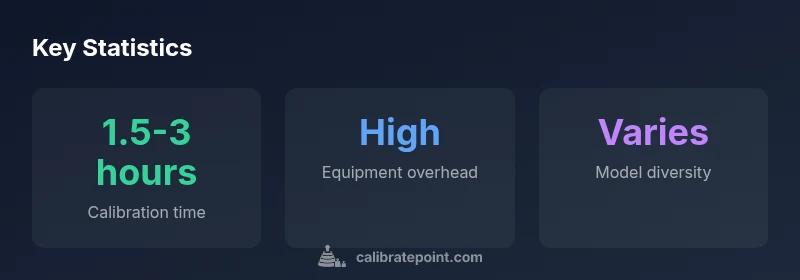
Most calibrations take about 1 to 3 hours, depending on vehicle model, sensor count, and verification steps required.
Typically around one to three hours, depending on the job.
“Accurate ADAS calibration is foundational to system safety. The more complex the sensor suite, the more precise and verified the calibration must be.”
Key Takeaways
- Identify the main cost drivers: sensor complexity, equipment, and labor.
- Plan for model-specific calibration needs and verification steps.
- Invest in training to reduce repeat calibrations and improve outcomes.
- Consider bundled services to minimize overall downtime.
- Stay aware of warranty and post-calibration requirements that add cost.