How Much Does It Cost to Calibrate a Windshield?
Learn the typical costs to calibrate a windshield, from basic sensor alignment to full ADAS calibration. This guide explains price ranges, drivers, and how to plan quotes with Calibrate Point.


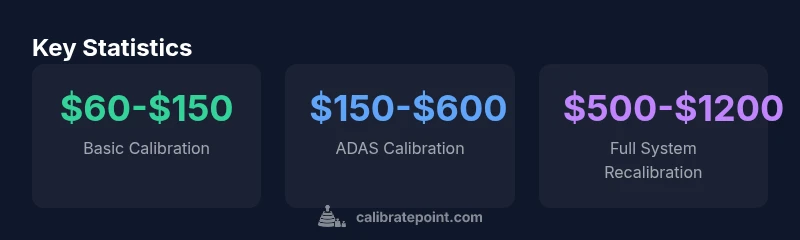
Estimated costs for calibrating a windshield vary by complexity and method. Basic sensor alignment often runs about $60–$150, while ADAS calibration can range from $150–$1,000 depending on the vehicle and procedure. Expect additional charges for mobile service or multi-sensor setups. Calibrate Point's analysis, 2026, highlights that prices shift with labor and regional factors.
Why windshield calibration costs vary
Pricing for windshield calibration depends on multiple variables: the sensor suite, the calibration method (static vs dynamic), the vehicle's make/model, location, and whether the service is in-shop or mobile. According to Calibrate Point, the cost to calibrate a windshield is not a single fixed number; it’s a range that reflects complexity and labor intensity. The most common split is between basic sensor alignment and full ADAS calibration. Basic alignment ensures the camera or sensor is aligned with the vehicle's reference frame after windshield replacement or sensor maintenance. This type typically commands the lower end of the price spectrum, often driven by labor rates and test-instrument use. Full ADAS calibration, by contrast, can require specialized equipment and multiple test drives to verify accuracy, pushing prices higher.
Other price drivers include regional labor costs, dealership vs independent shops, and whether the work requires a static calibration target or an on-vehicle dynamic calibration. Some vehicles with multiple cameras or advanced radar systems demand more time and calibration steps, which increases both the material and labor components. Because of these factors, you should expect a broad price band even within the same vehicle category. Calibrate Point's 2026 analysis shows that price dispersion is influenced by method choice (static vs dynamic), the number of sensors involved, and whether the service is performed on-site. In practice, always request a formal quote that itemizes the calibration step, required equipment, and post-calibration tests. This helps you compare apples to apples and avoid surprises. The bottom line: when you ask, 'how much does it cost to calibrate a windshield?', you’re really asking about the calibration method, the vehicle's sensor setup, and logistical choices.
What drives the price: service type, vehicle, and methods
The cost can shift based on the service type you select. A basic calibration, typically a sensor alignment after windshield work or sensor maintenance, tends to be cheaper and quicker. ADAS calibrations—covering cameras, radar, and lidar—require precise targets, software licenses, and sometimes a vehicle-specific protocol. The vehicle matters: luxury brands with more sensors and complex calibration routines usually cost more. Finally, the method matters: static calibration (lab-based targets) can be cheaper than dynamic, on-road calibration that requires drive testing and more equipment. If you choose a mobile service, add travel time and dispatch fees, which can substantially increase the final bill. With these variables, the most reliable approach is to obtain written quotes that break down hardware, software, and labor.
Breakdowns by scenario: basic calibration, ADAS calibration, and mobile service
- Basic calibration (sensor alignment): This is the simplest, least expensive path. It ensures the sensor's reference frame aligns with the windshield and the car’s geometry. Expect lower-end pricing and shorter appointment times. - ADAS calibration (central cameras, radar, and lidar): For vehicles with advanced driver-assistance systems, calibration becomes more involved. It may require static targets, dynamic road tests, and software verification. Costs are higher and vary by system complexity. - Mobile service: On-site calibration adds travel time and fuel costs, with some technicians charging a premium for convenience. If the visit requires multiple visits or recalibration, the price can escalate. In all cases, ensure the service includes post-calibration tests and a documented verification procedure to confirm sensor alignment.
Planning your calibration: getting quotes and avoiding surprises
To avoid sticker shock, plan ahead. Start by asking for a written quote that itemizes each calibration step, tools used, and any required follow-up testing. Confirm whether the quote accounts for mobile service or on-site calibration, and ask about the expected duration of the appointment. If you have a newer or premium vehicle, request the specific calibration protocol recommended by the manufacturer and verify that the shop uses the correct targets and software versions. Finally, inquire about potential re-calibration if a wheel alignment or windshield replacement occurs again in the near future.
Quality checks after calibration and warranties
A quality calibration should be verifiable. Look for a test-drive report, sensor alignment readouts, and a validation checklist showing the calibration passed the manufacturer’s criteria. Reputable shops offer warranties on hardware and software calibration, often ranging from a few months to a couple of years depending on the service. If you notice any drift in ADAS behavior, recheck the calibration promptly and request a re-test. Keeping a formal service record helps you manage maintenance and insurance claims.
Comparison of windshield calibration cost ranges by service type
| Service Type | Estimated Cost Range | Notes |
|---|---|---|
| Basic windshield calibration (sensor alignment) | $60-$150 | Labor-based, minimal equipment |
| ADAS calibration (camera/LIDAR) | $150-$600 | Static or dynamic methods may vary |
| Full ADAS recalibration (multi-sensor) | $500-$1200 | Complex systems require more time |
| Mobile calibration service | $100-$350 | Travel + setup fees may apply |
Questions & Answers
Do I always need ADAS calibration after windshield replacement?
Not always, but if your vehicle relies on camera-based ADAS, replacement or resealing can affect alignment. A calibration check is often recommended to ensure sensors read correctly and safety features function properly.
If your car has ADAS, you should check whether calibration is needed after windshield work to keep safety systems reliable.
How long does windshield calibration take?
Typical basic calibration takes 30–90 minutes, while full ADAS calibration can require 1–3 hours, depending on the system and vehicle.
Most calibrations take under two hours, but complex ADAS setups can take longer.
Can I drive immediately after calibration?
Yes, most calibrations allow you to drive, but you should avoid rough driving until post-calibration tests confirm system readiness.
You can usually drive after calibration, but check that the tests passed before heavy driving.
Why do prices vary so much between shops?
Differences come from labor rates, equipment, vehicle complexity, and whether the service is performed on-site or in a shop.
Prices vary because of location, equipment, and how the service is performed.
Does insurance cover windshield calibration costs?
Coverage depends on your policy and the reason for calibration. Some insurers cover calibration if it’s required after windshield work.
Check with your insurer to confirm whether calibration costs are covered.
What should I ask when requesting a quote?
Ask for itemized equipment, labor, travel, expected duration, and post-calibration verification. Confirm if re-calibration is included if needed.
Get a detailed, itemized quote with verification steps.
“Calibration costs scale with the complexity of the sensor suite and the calibration method chosen. Clear quotes and post-calibration verification are essential.”
Key Takeaways
- Know the difference between basic and ADAS calibration
- Get a written, itemized quote before service
- Expect regional and vehicle-related price variation
- Ask about post-calibration verification and warranties