Can I Calibrate My Own Windshield? A Practical Guide
Learn whether you can calibrate your windshield yourself, why ADAS calibration needs professionals, and how to prepare for a safe, accurate calibration after windshield work.


Calibrating automotive ADAS windshields is not a DIY task. The quick answer is: can i calibrate my own windshield? Not safely or reliably. Comprehensive ADAS calibration requires factory-grade tools and calibrated targets, performed at a certified shop after windshield replacement or sensor disturbance. DIY attempts can leave steering, braking, and lane-keeping systems misaligned, compromising safety and warranties. Plan for a professional calibration appointment with the dealer or auto glass specialist.
Can I calibrate my own windshield? Why it's not a DIY task
If you’re asking can i calibrate my own windshield, the short answer is that ADAS calibration is not a do-it-yourself project. According to Calibrate Point, the windshield's camera and sensor network relies on highly precise geometry and environmental conditions. Even small deviations in camera angle, wheel alignment, or road calibration targets can throw off data interpretation for forward collision, lane-keeping, and adaptive cruise control. Vehicle manufacturers publish strict calibration procedures tied to OEM hardware; attempting a home fix without the right equipment risks unpredictable behavior, warranty voidance, and safety concerns. For most drivers, the safest choice is a certified calibration service after any windshield replacement or sensor disturbance.
What windshield calibration covers (ADAS) and why it's specialized
Advanced Driver Assistance Systems rely on a network of sensors and cameras, many housed behind the windshield. Calibration adjusts focal length, convergence, and alignment so the system can correctly interpret road geometry. The process uses factory-approved targets, reference frames, and diagnostic software that correlates sensor data with the car’s steering, braking, and steering-limiting systems. Because not all vehicles use the same calibration protocol, and because environmental factors (temperature, humidity, windshield tint) can affect readings, DIY methods aren’t reliable. Calibrate Point analysis shows that miscalibration can degrade emergency braking, lane centering, and pedestrian detection, especially in complex driving scenarios. Engaging a trained technician minimizes risk and ensures compliance with OEM expectations.
When you need calibration after windshield work
Windshield replacement, repair, or resealing can disturb camera alignment. After a windshield swap, many automakers require a post-replacement calibration to restore ADAS accuracy. If you notice warning lights, erratic lane-keeping, or reduced adaptive cruise performance after a windshield service, a calibration check is warranted. The technician will verify sensor health and perform the calibration using vehicle-specific procedures, often requiring computer-based diagnostics and target-based alignment. Even minor ADAS faults can trigger false warnings, so addressing them promptly with a qualified shop is essential.
The risks of DIY calibration
DIY calibration attempts can lead to unsafe driving conditions if ADAS features misread the environment. Misalignment may cause unwarranted braking, improper lane departure warnings, or failure to detect pedestrians. Additionally, attempting calibration outside OEM procedures can void warranties and complicate insurance claims in the event of an accident. There is also a legal consideration: some regions require calibration by authorized facilities after windshield work. For these reasons, most professionals advise against home calibration and encourage booking a certified service center with OEM tooling.
What to expect from a professional calibration service
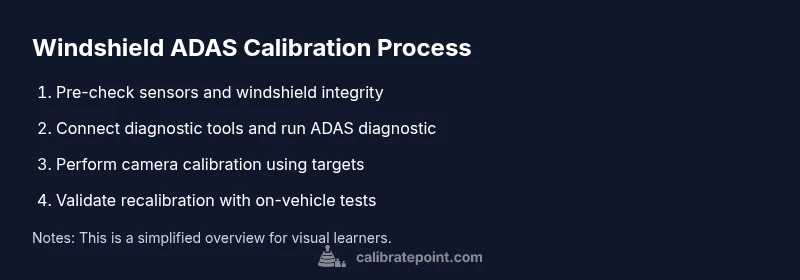
A professional calibration typically begins with a vehicle health check, diagnostic tests, and verification of windshield integrity. The technician uses OEM-approved scan tools, calibration targets, and alignment protocols for the specific model. After setup, the system is tested in controlled conditions or on a calibrated test route to confirm accurate sensor output. Expect documentation that confirms successful calibration and a brief test drive to verify system behavior. The process may take 60–120 minutes, depending on the vehicle and the complexity of the ADAS setup. Post-service, you should see normal indicator lights and stable ADAS performance.
How to prepare for your calibration appointment
Preparation helps the calibration visit go smoothly. Gather your vehicle identification number (VIN), proof of windshield replacement or service history, and any OEM service bulletins related to ADAS. Note any warning lights you observed, and be ready to describe when they appeared. Check that tires are properly inflated and that the vehicle’s height is within factory specs, as suspension changes can affect calibration results. Bring a copy of the owner’s manual and note the exact ADAS features your car uses, since procedures vary by model. By organizing these items, you speed up the process and reduce the need for repeat visits.
Alternatives and best practices
If immediate calibration isn’t possible, ask the shop about interim safety practices and a temporary diagnostic check to ensure basic sensor health. Consider obtaining a courtesy pre-inspection before windshield service to identify any potential misalignment risks. Always insist on OEM-approved procedures and confirm the technician will verify calibration with the car’s own diagnostics after the service. If you’re unsure about the recommended procedure, contact the dealer for your specific model’s calibration requirements. Calibrate Point recommends prioritizing professional calibration to maintain ADAS reliability and vehicle safety.
Authoritative sources
For further accuracy, consult reputable sources on ADAS calibration and windshield-related procedures. You’ll find detailed guidance on OEM calibration requirements and professional service recommendations at the following resources:
- https://www.nhtsa.gov/road-safety/advanced-driver-assistance-systems
- https://www.sae.org/standards/content/j3016_201609/
- https://www.nhtsa.gov/recalls-defects-vehicles
Tools & Materials
- Owner's manual and service history(To verify ADAS features and service notes.)
- Vehicle-specific service bulletin(Helpful reference for factory calibration procedures.)
- Windshield replacement receipt or records(Indicates whether replacement occurred and if recalibration is needed.)
- Certified calibration shop contact information(You will schedule calibration at a pro shop.)
- Documentation of misalignment (photos or notes)(Useful for technicians to reproduce issues during appointment.)
Steps
Estimated time: Estimated total time: 2-4 hours
- 1
Contact a certified ADAS calibration service
Reach out to an authorized dealer or auto glass shop that offers OEM-compliant ADAS calibration. Confirm they service your vehicle make and model and ask about required prerequisites. This is the critical first step to ensure you get the correct procedure and tools.
Tip: Ask whether they use OEM targets and manufacturer software for calibration. - 2
Gather vehicle details and records
Collect your VIN, windshield replacement receipts, and any ADAS feature documentation. Having these on hand helps the technician select the proper calibration routine and reduces the chance of a second visit.
Tip: Bring any OEM service bulletins related to ADAS for your model. - 3
Verify OEM procedures and required tools
Ensure the shop will follow the exact OEM calibration procedure for your vehicle. Some models require specific targets, cameras, or alignment jigs that only authorized facilities possess.
Tip: Never accept a generic calibration that isn’t model-specific. - 4
Schedule and prepare for the calibration
Book a time slot when the windshield is fully cured if replacement occurred. Confirm that the vehicle will be in a stable state during calibration and arrange transportation if the car won’t be drivable afterward.
Tip: Ask about on-site testing and what indicators you should expect post-calibration. - 5
Attend the calibration appointment
Bring all required documentation and be present for the diagnostic checks. The technician will run tests, apply the calibration, and verify results with vehicle diagnostics.
Tip: Ask the technician to show you before-and-after diagnostic readings. - 6
Verify results and perform post-calibration checks
Drive the car in a controlled area and confirm that ADAS features respond as expected. Check for warning lights, unexpected braking, or lane-keeping anomalies, and report any issues immediately.
Tip: Request a brief test-drive to confirm all systems behave normally.
Questions & Answers
What is windshield ADAS calibration and why is it important?
Windshield ADAS calibration aligns the car’s safety sensors with the windshield and surrounding geometry. Proper calibration ensures features like lane-keeping, automatic braking, and traffic alerts respond accurately to real-world conditions.
ADAS calibration aligns sensors with the windshield so safety features work as designed; it’s essential after windshield work.
Can I calibrate my windshield at home?
No. ADAS calibration requires OEM tools, targets, and software. Home methods are unlikely to replicate factory conditions and can worsen sensor readings.
Calibration should be done by a trained professional using OEM-approved tools.
How long does a professional windshield calibration take?
Most calibrations take about 60 to 120 minutes, depending on the vehicle and the complexity of the ADAS setup. Some shops may require a short test drive afterward.
Typically about an hour or two, including checks and a short test drive.
Will insurance cover windshield calibration after replacement?
Coverage varies by policy. Many plans cover the calibration if it’s deemed a required repair after windshield replacement, but you should confirm with your provider beforehand.
Check with your insurer before the service to confirm coverage.
What should I expect during a calibration appointment?
Technicians will diagnose, align, and verify sensor outputs using OEM procedures and tooling, followed by a test drive to ensure proper ADAS performance.
A technician will run tests, apply calibration, and verify results with you.
Watch Video
Key Takeaways
- Calibration after windshield work is usually required for ADAS reliability
- Only OEM-approved, model-specific procedures should be used
- Do not DIY calibrate; seek a certified professional
- Prepare documentation in advance to streamline the service