How to Calibrate a pH Meter: A Practical Guide
Learn a clear, practical method to calibrate your pH meter using buffer solutions, proper routines, and verification steps to ensure reliable readings.


This guide teaches you how to calibrate a pH meter using a three-point buffer approach (typically pH 4, 7, and 10), temperature compensation, and a final verification step with a neutral solution. You’ll follow a practical, repeatable process suitable for lab and field work, plus tips to maintain accuracy over time.
Why Calibrating Your
Core Principles of
Buffer Solutions and Handling
Buffer solutions serve as fixed reference points. Use fresh, properly labeled buffers:
Step-by-Step Calibration Concept
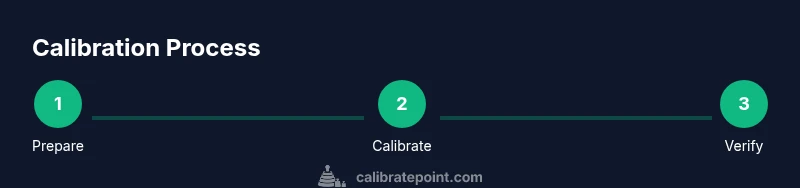
Calibration involves equilibrating the electrode in each buffer, recording the meter’s response, and adjusting to match the known buffer values. A three-point calibration sets the meter’s slope and offset so that readings align with the buffer standards at low, mid, and high
Common Errors and How to Fix
Common mistakes include using expired buffers, skipping the room-temperature requirement, or failing to rinse the probe between buffers. Never calibrate a dirty electrode or one that has air bubbles in the junction, as this will produce erratic readings. Avoid cross-contaminating buffers by dedicating containers for each buffer solution and not reusing the same beaker for multiple buffers without cleaning. If a reading drifts, re-check the buffer temperatures, ensure the probe is properly immersed, and re-run calibration with fresh buffers.
Verifying Calibration and Validation
After calibration, verify accuracy using a buffer that was not part of the calibration sequence, such as a secondary neutral or near-neutral solution. If the reading deviates beyond an acceptable tolerance, repeat the calibration with attention to electrode condition, buffer freshness, and temperature compensation. Maintain a simple calibration log with the date, operator, buffer lot numbers, and slope reported by the instrument. Regular verification ensures long-term reliability and reduces the chance of unnoticed drift.
Maintenance, Storage, and Field Use
Proper maintenance extends probe life and stability. Store the electrode in the appropriate storage solution when not in use, keep it clean, and shut the meter down correctly to preserve sensor life. In field work, protect buffers from temperature extremes and contamination, and carry spare buffers in a controlled environment. If you observe persistent drift in the field, consider recalibration with buffers at or near the anticipated measurement range and check the electrolyte level in the probe if applicable.
Quick Tips for Consistent Results
- Use fresh buffers and label them clearly.
- Calibrate near the measurement temperature of your samples.
- Rinse thoroughly between buffers and dry the electrode tip before measuring.
- Document every calibration to track instrument performance over time.
- Periodically validate with a non-calibration reference solution to catch drift early.
Tools & Materials
- pH buffer solutions (pH 4.00, 7.00, 10.00)(Certified, fresh; at room temperature)
- Distilled or deionized water(For rinsing between buffers)
- Gloves(To protect sensor and samples)
- Beakers or calibration cups(Clearly labeled for each buffer)
- Lint-free tissue or kimwipes(For drying and cleaning)
- pH meter with calibration mode(Ensure battery and features are functional)
- Electrode storage solution(Keep probe moist when not in use)
- Thermometer or temperature sensor(Optional but helpful for temperature compensation)
- Isopropyl alcohol or cleaning solution(For stubborn residues on electrode)
Steps
Estimated time: Estimated total time: 25-40 minutes
- 1
Inspect equipment
Check the pH meter, electrode, and buffers for damage. Confirm buffers are labeled, within date, and at room temperature before starting calibration.
Tip: If you find a damaged electrode or expired buffers, replace them before proceeding. - 2
Rinse the electrode
Gently rinse the electrode with distilled water to remove any residue from previous measurements. Avoid splashing or creating bubbles at the sensor tip.
Tip: Keep the tip vertically oriented during rinsing to prevent liquid from entering the reference junction. - 3
Immerse in pH 7 buffer and equilibrate
Submerge the sensor in the pH 7 buffer and allow the reading to stabilize at the buffer temperature. This establishes a neutral baseline for the slope.
Tip: Stabilization may take a short time; avoid moving the electrode during this period. - 4
Calibrate to pH 7
Enter the calibration mode and adjust the pH reading to match the buffer value at 7. Confirm the reading remains stable before proceeding.
Tip: Document the slope reported by the meter after this step. - 5
Immerse in pH 4 buffer and equilibrate
Rinse the electrode, then immerse it in the pH 4 buffer. Allow stabilization at the buffer temperature and verify readiness for the next calibration point.
Tip: Make sure the buffer is fresh; old buffers can cause inaccurate slope determination. - 6
Calibrate to pH 4
Calibrate the meter to read pH 4.00, ensuring the value matches the buffer. Repeat for any lower-range measurements.
Tip: If the slope changes significantly, re-check the previous points. - 7
Immerse in pH 10 buffer and equilibrate
Rinse again and immerse in the pH 10 buffer. Allow the reading to stabilize; this ensures the upper-range accuracy.
Tip: Avoid rapidly moving the probe during stabilization to minimize noise. - 8
Calibrate to pH 10
Complete the high-range calibration by setting the reading to pH 10.00 in the calibration mode. Confirm stability before exiting.
Tip: If the meter cannot reach 10.00, re-check buffer freshness and electrode condition. - 9
Verify and document
Rinse the electrode, test with a neutral solution, and confirm readings fall within expected tolerance. Record the slope, offset, lot numbers, date, and operator.
Tip: Keep a calibration log to track long-term instrument performance.
Questions & Answers
Why do buffer solutions matter in pH calibration?
Buffers provide fixed reference points that define the meter's response. Using fresh, correctly prepared buffers ensures the slope and offset reflect true electrode behavior rather than drift or contamination.
Buffers give fixed reference points so your readings stay accurate. Use fresh buffers to prevent drift.
Can I calibrate with a single buffer?
Single-point calibration can correct offset but will not accurately determine slope. For reliable readings across the pH range, a multi-point (three-point) calibration is recommended.
Single-point calibration fixes offset but not slope; three points are better for accuracy.
How often should I calibrate a pH meter?
Calibrate at the start of each work session and after any electrode maintenance or suspected drift. For critical tests, recalibrate more frequently following manufacturer guidelines.
Calibrate at the start of each session and after maintenance; recalibrate if drift is suspected.
What temperature should buffers be at?
Use buffers at room temperature or matched to your sample temperature. Temperature differences can shift readings if temperature compensation is not enabled.
Keep buffers close to room temperature or match the sample temperature, with temperature compensation on.
What if readings drift after calibration?
Recheck buffer freshness, electrode condition, and ensure proper rinsing between buffers. If drift persists, repeat calibration or consider electrode replacement.
If readings drift, check buffers and rinse thoroughly; repeat calibration or replace the electrode if needed.
Do buffer solutions expire?
Yes, buffers can degrade over time. Use fresh buffers and dispose of morningly stale solutions as per safety guidelines.
Buffers do expire; use fresh ones and dispose of old solutions properly.
Key Takeaways
- Calibrate using fresh buffers bracketing the sample range.
- Temperature compensation improves accuracy significantly.
- Document calibration results for traceability.
- Verify with a non-calibration solution after finishing.
- Regular maintenance extends probe life and stability.