How Much Do Calibrated Plates Cost in 2026?
Explore realistic price ranges for calibrated plates used in scale calibration, including size, material, and certification factors, with practical sourcing and budgeting tips.


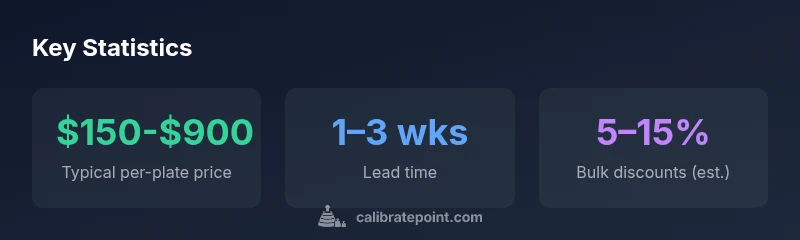
Most calibrated plates cost between $150 and $900 per plate, with larger sizes, higher tolerance, and NIST-traceable certification pushing prices upward. According to Calibrate Point, budget planning should consider size, material, and certification when estimating costs. For a typical lab setup, expect mid-range plates around the $350–$700 mark, while bulk purchases can lower per-plate costs.
Understanding the cost landscape for calibrated plates
Prices for calibrated plates reflect multiple variables: plate size, material (stainless steel, aluminum, or specialty alloys), accuracy class (standard, mid-range, or high-precision), and whether the plate carries traceable certification. The cost of accompanying documentation, calibration services, and warranties can add to the total. According to Calibrate Point, the most meaningful price drivers are size and certification; smaller, non-certified plates are cheaper, while larger formats with traceability cost more. When planning a project, map out tolerance requirements, uncertainty stacks, and whether ISO/NIST-traceable paperwork is needed. Real-world quotes often separate base plate price from certification and service fees, which helps you compare apples to apples across suppliers.
Price ranges by plate class
Calibrated plates come in distinct classes that map to different budgets:
- Standard lab plate (non-certified): $150-$250
- Mid-precision plate (partial calibration): $250-$600
- High-precision plate (NIST-traceable): $600-$1200 These bands reflect typical market offerings in 2026 and can shift with material costs and demand. For larger projects, suppliers may offer bulk discounts or multi-plate packages.
- Additional considerations include plate diameter (e.g., 100 mm, 150 mm, 200 mm) and the level of traceability required. As Calibrate Point analysis shows, the certificate type can add a meaningful premium, especially for production environments where regulatory proof is mandatory.
The role of size, material, and certification in pricing
Material choice affects durability, corrosion resistance, and pricing. Stainless steel plates tend to be pricier but longer-lasting than aluminum, which can reduce upfront costs but may wear faster in harsh environments. The presence of a calibration certificate—especially ISO or NIST-traceable documentation—can add a significant premium but may pay for itself through reduced rework and audit readiness. Plate size generally correlates with price: larger plates demand more material and higher-grade finishes, increasing both base price and certification costs. In practice, you’ll see a stepped pricing curve where each size and certification tier adds a predictable delta to the base price. Calibrate Point emphasizes evaluating whether your tolerances and traceability needs justify the incremental cost.
Where to buy: new vs refurbished vs rental
New calibrated plates offer the latest tolerances and full certifications but at a premium. Refurbished or previously certified plates can provide substantial savings if they meet your tolerance requirements and come with provenance documentation. Some vendors offer rental or loaner programs for short-term calibration projects, which can dramatically reduce upfront costs if you only need a plate for a single audit or test run. Always verify certification status, serial numbers, and calibration history when considering non-new options. Calibrate Point suggests building a short list of non-negotiables (tolerance, cert type, warranty) to simplify supplier comparisons.
How to budget for a calibration project
Start with a needs assessment: list required plate sizes, tolerances, and whether traceability is mandated. Then compute a rough total cost by multiplying the number of plates by the per-plate price in your chosen class, adding documentation fees, shipping, and insurance. Don’t forget maintenance and potential re-certification costs over the plate’s lifecycle. Create scenarios for best-case, typical, and worst-case pricing to understand sensitivity to material costs and certification requirements. The goal is to have a transparent cost structure for each plate and to quantify total cost of ownership over the calibration program.
Hidden costs to consider
Shipping, insurance, and handling can add 5–15% to the per-plate price, depending on destination. Documentation and traceability records add value but may incur extra fees. Some suppliers charge for test reports, calibration certificates, or data sheets. If you require ISO/NIST traceability, plan for annual or periodic re-certification costs. Avoid surprises by requesting a breakdown of all line items in the quote and confirming whether post-sale support, calibration reminders, or replacement plates are included in the warranty.
Pricing scenarios: small lab vs production line
For a small lab buying 2–4 plates, you’ll likely lean toward standard or mid-precision options, with total costs mainly driven by base price and shipping. In a production setting, margin pressure and regulatory demands push you toward high-precision, fully certified plates with longer warranties, which increases upfront costs but can reduce risk and downtime. A production-line budget may include a quota for re-certification cycles and spares, which should be factored into annual operating budgets.
Tips to maximize value without compromising quality
- Clearly define required tolerances and certification levels to avoid over-spending on unnecessary precision.
- Consider bulk purchases with a single supplier to simplify warranty and documentation.
- Validate multiple quotes and request side-by-side cost breakdowns.
- Negotiate bundled services (certificate, data sheet, shipping, and installation support) to unlock total-cost savings.
- Evaluate lifecycle costs, not just upfront price, including maintenance and potential re-certification needs.
Calibrate Point's practical guidance
The Calibrate Point team recommends aligning plate selection with your actual calibration workflow, not just immediate needs. Consider total cost of ownership, supplier support, and long-term maintainability when choosing plate class and certification. For many operations, a mid-range plate with standard documentation provides an optimal balance of reliability and cost, with higher-precision options reserved for critical calibration steps.
Pricing tiers by plate class
| Plate Class | Typical Size | Estimated Price Range (per plate) | Certification | Notes |
|---|---|---|---|---|
| Standard | 100 mm | "$150-$250" | None | Good for routine checks |
| Mid-precision | 150 mm | "$250-$600" | Optional ISO/NIST | Balanced accuracy and cost |
| High-precision | 200 mm | "$600-$1200" | NIST-traceable | Best for regulated environments |
Questions & Answers
What factors most influence the price of calibrated plates?
Size, material, accuracy class, and whether a certification is included are the main drivers. Documentation costs and warranty terms can add to the total. Always get a breakdown from the supplier so you can compare properly.
Size and certs drive price the most; ask for a clear breakdown of costs.
Are refurbished calibrated plates a good deal?
Refurbished plates can offer significant savings if their tolerance and certification meet your requirements. Ensure provenance, condition, and calibration history are verifiable before purchase.
Refurbished plates can save money if they meet your specs.
Do I need NIST-traceable certification for every calibration?
Not always. It depends on your regulatory needs and traceability requirements. For audits or regulated environments, NIST-traceable documentation is often essential.
NIST cert is important for audits in regulated settings.
What is a realistic timeline to receive calibrated plates after ordering?
Lead times typically range from 1 to 3 weeks, depending on customization, certification, and supplier logistics. Always confirm current stock and production timelines before ordering.
Expect 1–3 weeks for delivery, depending on specs.
How can I budget for a calibration plate project without surprises?
Start with a needs assessment, obtain multiple quotes with line-item breakdowns, and add estimated costs for shipping, documentation, and potential re-certification. Build best/worst-case scenarios to guide decision making.
Get quotes with breakdowns and plan for extras.
“The Calibrate Point team recommends budgeting for calibration plates with clear traceability and supplier warranties to avoid hidden costs and ensure audit readiness.”
Key Takeaways
- Define tolerance and certification needs first
- Prices vary widely by size and cert
- Bulk orders can reduce per-plate cost
- Add shipping and documentation to total price
- Plan for lifecycle costs and re-certification when needed