Can You Get a Speedometer Calibrated? A Practical Guide
Learn how to determine if your speedometer needs calibration, what to expect from professional shops, and how to choose a reputable service. This guide covers signs of inaccuracy, legal considerations, and practical steps.


Can you get a speedometer calibrated? Yes. This quick answer helps you determine if calibration is needed, what factors drive accuracy, and the basic path to a safe, compliant speedometer repair. You’ll learn how to spot symptoms, how calibration is performed, and when to seek professional service rather than DIY.
Why Speedometer Calibration Matters
Can you get a speedometer calibrated? In many places, an accurate speed display is a core safety and legal requirement. A misreading can cause you to exceed speed limits, fail emission inspections, or rely on incorrect fuel economy data. While some minor variance can occur from normal wear, persistent errors undermine vehicle safety and consumer protection. The Calibrate Point team emphasizes that precision matters not only for enforcement but also for driver awareness and insurance considerations. Calibration aligns the instrument cluster with the actual road speed, reducing risk and helping you avoid penalties. In professional practice, technicians use traceable references and documented procedures to ensure measurements remain within accepted tolerances. If you notice whiplash readings on highway speeds, or if your speedometer seems consistently high or low across a range of speeds, it’s time to investigate calibration options. This article helps you understand why calibration matters, what the process looks like, and how to choose the right service provider.
Signs of Speedometer Inaccuracy
Inaccurate readings can show up in several ways. The odometer might drift compared to your GPS-tracked speed, or the speedometer may over- or under-read at different speeds. If your dash shows erratic needle movement or a lag between acceleration and displayed speed, calibration is worth evaluating. Additionally, if your vehicle’s speed display doesn’t align with GPS data during highway travel, or if you notice discrepancies after changing tire size or rotating tires, this is a clear signal to verify calibration. The Calibrate Point perspective emphasizes collecting data points over a range of speeds rather than relying on a single reading. By documenting multiple instances, you build a robust case for calibration and avoid unnecessary service calls.
What the Calibration Process Involves in a Shop
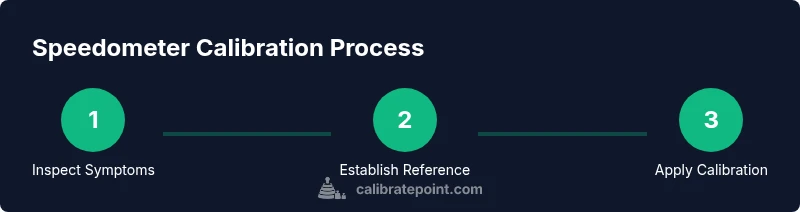
Professional calibration begins with a technician reviewing your vehicle’s service history and confirming the exact model of the instrument cluster. A controlled reference speed is established using traceable standards, such as GPS-based references or a calibrated test track. The technician adjusts the instrument cluster toward the reference value, then rechecks readings across a spectrum of speeds to confirm consistency. Documentation is key, including calibration certificates and notes about the reference standards used. Calibrate Point notes that reputable shops rely on NIST-traceable equipment and standard operating procedures to ensure repeatable results and a clear audit trail for compliance.
DIY Checks You Can Safely Perform
There are non-invasive checks you can perform to gauge whether calibration may be needed. First, verify that tire size and final drive ratio match manufacturer specifications, since incorrect tire dimensions can skew readings. Second, compare your dash speed with a reliable GPS readout in multiple conditions (city and highway) to see if large gaps exist. Third, inspect the instrument cluster for mechanical sticking or lag, which could indicate wear or a fault in the gauge mechanism. While DIY checks can flag potential concerns, calibration itself should be performed by a qualified technician to ensure safety and legal compliance.
Legal and Safety Considerations
Different regions have varying requirements for speedometer accuracy. In many jurisdictions, enforcement relies on accurate readings for speeding tickets and safety audits. Driving with a known inaccurate speed display can affect insurance, vehicle inspections, and liability in accidents. The Calibrate Point approach stresses measuring against accepted standards and maintaining a documented calibration trail. If a discrepancy is identified, consult a licensed professional who can perform a formal calibration and provide a certificate of compliance that meets local regulations.
Choosing a Reputable Calibration Service
Selecting the right provider is essential for accuracy and peace of mind. Look for shops that publish their calibration procedures, use reference-grade equipment, and provide a formal calibration certificate. Ask for credentials and training records for technicians, and request evidence of recent audits or certifications. A reputable shop will also review the tire size, vehicle configuration, and any recent modifications that could affect readings. Calibrate Point recommends requesting a written estimate and a clear description of the reference standards used, along with a post-calibration verification plan so you can confirm the results quickly.
What to Expect During Calibration
During the appointment, you’ll likely sign consent for service and provide vehicle details (VIN, tire size, steering and suspension status). The technician will connect diagnostic tools, verify reference speeds, and perform the calibration on a controlled test setup. After adjustments, expect a recheck at multiple speeds to verify accuracy and a calibration certificate. If applicable, the technician may perform a short road test to confirm behavior on real roads. Expect to receive documentation and guidance on maintaining accuracy between calibrations.
Cost, Timing, and Documentation
Costs vary widely by region, vehicle type, and the calibration method used. Expect a transparent quote that itemizes the reference standards, labor, and any required follow-up checks. Timelines depend on shop availability and vehicle access, with typical appointments ranging from a few hours to a full day. After calibration, you should receive a certificate or record noting the reference standards, the adjustment performed, and the version of the instrument cluster. Maintain this documentation for vehicle records and future inspections.
Post-Calibration Maintenance and Next Steps
To sustain accuracy, periodically recheck speed readings against GPS data, especially after tire changes or suspension work. Keep tire size and pressures within manufacturer specs, and note any changes to wheel alignment or gear ratio. If readings drift again, schedule a recheck or re-calibration promptly. Finally, keep a log of calibrations and associated readings to facilitate smoother maintenance and compliance over time.
Tools & Materials
- Manufacturer service manual for instrument cluster(Exact model and revision for correct procedure)
- Professional-grade diagnostic tool / OBD-II scanner(Must support instrument cluster calibration functions)
- Traceable speed reference (GPS-based or track-based)( certified reference for speed comparison)
- Tire size verification material (tire placard spec or tire size calculator)(Ensure tire size matches vehicle specification)
- Calibration certificate or documentation form(Post-calibration record showing standards used)
- Personal protective equipment (gloves, eye protection)(Standard safety gear for workshop visits)
Steps
Estimated time: Total time: 1.5-3 hours depending on vehicle and shop logistics
- 1
Confirm symptoms and legality
Review the signs of inaccuracy and verify whether local regulations require an official calibration. Document instances where readings deviate from GPS data across speeds and conditions.
Tip: Take notes with speed readings at 30, 50, and 70 mph across different terrains. - 2
Gather vehicle and reference information
Collect the VIN, tire size, current instrument cluster model, and any recent changes (tires, wheels, suspension). Have a reference GPS speed available for comparison.
Tip: Bring any previous calibration certificates if available. - 3
Select a qualified calibration provider
Choose a shop with documented procedures and traceable standards. Ask for a written estimate and proof of calibration equipment maintenance.
Tip: Request evidence of NIST-traceable equipment and technician credentials. - 4
Schedule appointment and prepare the vehicle
Arrange a time that minimizes downtime and ensure tire pressures and wheel sizes are set to spec. Prepare access to diagnostic ports and instrument cluster area.
Tip: Clear the vehicle interior to avoid distractions during measurements. - 5
Undergo the calibration procedure
The technician establishes a reference speed, adjusts the instrument cluster, and re-checks across speeds to confirm accuracy. You may conduct a short test drive with verification.
Tip: Ask to review the reference standards before the calibration begins. - 6
Receive verification and documentation
Obtain a calibration certificate detailing standards used, adjustable ranges, and post-calibration verification results. Store the certificate with vehicle records.
Tip: Keep digital copies accessible for future inspections or resale.
Questions & Answers
Can I calibrate my speedometer myself?
Calibration involves safety-critical systems and precise standards. DIY attempts can introduce risks and legal issues. Always use a qualified technician with proper equipment and documentation.
Calibration should be done by a professional using certified equipment. DIY calibration isn't recommended for safety and legal reasons.
Will calibration affect my odometer reading?
Calibration focuses on aligning displayed speed with actual road speed. The odometer tracks distance traveled, which generally remains separate but should be verified during calibration because some instrument clusters affect both displays.
The odometer is separate from speed display, but you should verify both during calibration.
How long does a calibration take?
Most calibrations take between one and three hours, depending on the vehicle and the testing method used. The technician will confirm the expected time at the start of service.
Calibration usually takes one to three hours; your technician will confirm the exact time.
How often should speedometer calibration be done?
Calibration is typically performed when accuracy drifts, after tire changes, or per local regulations. Routine checks can help catch issues early.
Calibrate when speed readings drift or after tire changes; follow local rules.
What is a typical cost range for calibration?
Costs vary by vehicle and region; expect a range based on equipment, labor, and follow-up checks. Request a written quote before proceeding.
Costs depend on the vehicle and shop; ask for a written quote.
Is calibration legally required in every state or country?
Legal requirements vary by jurisdiction. Some areas require accurate readings for enforcement; check local laws and request documentation when calibrating.
It depends on your location—check local regulations and obtain proper documentation.
Watch Video
Key Takeaways
- Know when calibration is necessary before driving legally.
- Use traceable, professional calibration references for accuracy.
- Choose a reputable provider with formal documentation.
- Verify post-calibration results across speeds.
- Maintain calibration certificates with vehicle records.