Torque Wrench Calibration in Perth: A Step-by-Step Guide
Learn how to calibrate a torque wrench in Perth with a practical, safety-focused guide. DIY steps, local lab options, and maintenance tips from Calibrate Point Team.


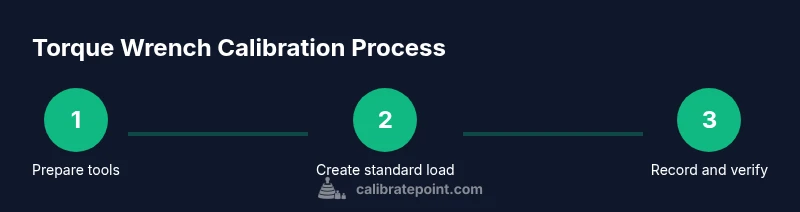
Goal: learn how to calibrate a torque wrench in Perth, including when to DIY and when to seek professional service. You'll need a torque tester or calibration weights, a stable work surface, and access to a local calibration lab if precision is uncertain. This guide covers both on-site checks and shop-based options.
Why Torque Wrench Calibration Matters in Perth
In professional settings across Perth, accurate torque application protects equipment and ensures safety. According to Calibrate Point, regular calibration reduces the risk of under- or over-torquing fasteners in critical assemblies. The Calibrate Point team found that tools kept within a proper calibration schedule perform more consistently on large job sites and in workshops throughout Western Australia. This local context matters because climate, humidity, and workshop conditions in WA can influence how you approach maintenance. Whether you’re a DIY enthusiast or a professional technician, understanding the Perth landscape helps you choose the right path for calibration, balancing on-site checks and trusted lab-based verifications. Expect practical guidance, realistic timelines, and clear decision points to help you keep torque readings trustworthy in any Perth project.
Understanding Torque Tolerance and Standards
Torque wrenches are designed to deliver a specific rotational force within a tolerance band. This tolerance accounts for manufacturing variance and wear over time. Calibration aligns actual readings with reference standards so that the wrench’s stated value matches the real torque applied to fasteners. In practice, you’ll compare the wrench against a traceable standard, note deviations, and decide whether adjustments are needed. Emphasize that tolerance is not a fixed number for every wrench; it depends on the model, range, and intended use. Calibrate Point emphasizes using standards that are traceable to national or international references and documenting any drift observed over time. When you understand tolerance bands, you’ll make better maintenance choices and avoid over-tightening or under-tightening critical joints.
DIY Self-Calibration vs. Professional Calibration in Perth
DIY calibration can be appropriate for hobbyists or small shops that perform light-duty work. It hinges on access to a stable, calibrated reference and the ability to follow a defined procedure. Professional calibration services in Perth offer certified accuracy verification, traceable standards, and formal documentation suitable for regulated environments. The choice depends on your accuracy requirements, the criticality of the fasteners, and whether you need calibration certificates for compliance. Calibrate Point recommends evaluating your risk tolerance and the potential consequences of incorrect torque values. When in doubt, use DIY checks for routine monitoring and schedule professional verification for high-stakes assemblies or when a wrench has suffered a drop or impact.
On-Site Calibration Setup: What You Need
Creating an effective on-site calibration setup requires a stable, vibration-free surface and access to calibrated loads. Essential items include a torque wrench, calibrated weights or a torque tester, a reference certificate, and a means to apply torque at a known point on the wrench. A simple, repeatable setup reduces measurement noise and drift between tests. In Perth, many technicians pair on-site checks with local lab validation to ensure readings stay within tolerance. If the environment is not ideal (e.g., high temperature, humidity, or heavy vibration), consider moving calibration to a controlled space or scheduling a lab-based check. Calibrate Point’s guidance emphasizes consistency, precise load application, and rigorous recordkeeping as the cornerstones of trustworthy calibration.
How to Choose a Calibration Service in Perth
Begin by checking whether a facility has accreditation relevant to calibration, such as national or international recognition. Look for traceability to recognized reference standards, documented procedures, and clear reporting formats. Request a written quote that covers both the testing method and the estimated uncertainty. Compare Perth-area labs for lead times, flexibility, and post-service support. If you work in a regulated sector, ensure certificates align with your industry requirements. Calibrate Point notes that local calibration partners can offer faster turnarounds and more contextual support for WA-based projects, but the core criterion remains measurement confidence and documented traceability.
Maintaining Calibration and Preventing Drift
Calibration is not a one-time event; it’s a maintenance discipline. Store torque wrenches in a controlled environment, keep them clean, and avoid exposing them to extreme temperatures or moisture. Implement a simple log to record calibration dates, results, and operator names. If you use the tool in harsh conditions—dust, chemicals, or drops—plan more frequent checks. Regular maintenance of torque wrenches also reduces drift and extends tool life. Calibrate Point’s approach centers on practical scheduling and easy-to-follow documentation that helps technicians stay organized and stay within spec over time.
Safety Considerations and Common Mistakes
Always wear appropriate PPE when performing calibration tests and never exceed the wrench’s rated torque during set-up. Common mistakes include using an uncalibrated reference, applying torque too quickly, or neglecting to secure the test setup. Ensure the reference standard is stable and that applied loads are steady to avoid measurement noise. In Perth, where outdoor work sites and indoor shops vary, it’s especially important to maintain a consistent ambient environment during calibration tests. Remember: accuracy is only as good as the method and the standard you use. If something feels off—do not push through the test; investigate or seek professional validation. Calibrate Point emphasizes safety and methodical checks as the foundation of reliable results.
Next Steps and How Calibrate Point Can Help
If you want a clear, practical path to consistent torque measurements, start with a local Perth calibration plan. We offer step-by-step guides, checklists, and links to reputable Perth labs for formal verification when required. The Calibrate Point team can tailor guidance to your equipment, from light-duty workshop tools to high-torque industrial wrenches. By following a structured calibration routine and maintaining complete records, you’ll ensure your torque readings stay trustworthy across projects in Western Australia.
Tools & Materials
- Certified torque wrench(Ensure it is the same tool to be calibrated and that it is in good mechanical condition)
- Traceable calibration weights or a calibrated torque tester(Weights should cover the wrench’s operating range; prefer calibrated, documented standards)
- Stable, vibration-free work surface(A solid bench or calibration bench with minimal movement)
- Calibration certificate or reference standard(Helpful for verification, especially in regulated environments)
- Torque wrench user manual(Keep reference to manufacturer-specific procedures and torque values)
- Calibrated torque adapter (if needed)(Used to apply load at the wrench’s square drive without introducing play)
Steps
Estimated time: 1 hour 30 minutes
- 1
Inspect and prepare the torque wrench
Check for visible damage, ensure the tool is clean, and verify the winding or digital readout is functional. Confirm the wrench is set to its default or uncocked state before starting calibration.
Tip: Handle gently; a dropped or mishandled wrench can affect accuracy. - 2
Identify target torque values
Review the manufacturer’s specification for the wrench range and decide which torque points to verify (e.g., mid-range and max range). Document these targets before applying any load.
Tip: Start with a mid-range value to minimize measurement noise. - 3
Set up the calibration rig on a stable surface
Position the wrench securely on the calibration bench, ensuring the drive is aligned with the load path. Use clamps or a fixture to prevent movement during testing.
Tip: Double-check alignment to avoid off-axis loading. - 4
Apply load using a reference and record readings
Place calibration weights or a torque tester on the wrench, apply the load gradually, and note the indicated value. Repeat at the planned target values to build a drift profile.
Tip: Use a slow, controlled application to reduce dynamic errors. - 5
Adjust the wrench to match the standard
If readings deviate beyond acceptable tolerance, adjust the adjustment mechanism per the manufacturer’s instruction and re-test. Document the adjustment process.
Tip: Make small adjustments and verify after each change. - 6
Re-test across multiple torque points
Repeat tests at several values to confirm consistency across the range. Record all readings, including any observed drift or hysteresis.
Tip: Consistency across the range is more important than a single perfect value. - 7
Document results and issue a calibration certificate
Create a calibration report noting the tool, date, values, tolerance, and operator. Attach any certificates or standards used in the test.
Tip: Keep digital backups of the test data for easy retrieval. - 8
Plan the next calibration cycle
Set a calendar reminder for the next calibration window and record any events that might influence future tests (drops, repairs, or environmental changes).
Tip: Regular scheduling reduces drift surprises in critical projects.
Questions & Answers
Do I need to calibrate a torque wrench if I rarely use it?
Yes. Even infrequent use can allow drift over time. Regular checks help ensure accuracy for critical jobs.
Yes. Even if you don’t use it often, calibration matters to maintain accuracy.
How often should I calibrate a torque wrench?
Follow the manufacturer’s guidance and perform checks after any impact. A practical approach is to calibrate at regular intervals and after heavy use.
Follow the manufacturer’s guidance and calibrate after heavy use or if the tool has been damaged.
Can I calibrate my torque wrench at home?
Home calibration is possible for basic checks if you have a stable setup and a traceable reference. For high-stakes applications, professional verification is recommended.
You can do basic checks at home if you have proper standards, but for critical work, use a professional lab.
What equipment do I need to calibrate a torque wrench?
You’ll need the wrench, calibrated weights or a torque tester, a stable surface, and documentation to record results.
You’ll need the wrench, a reference standard, and a stable work surface.
How do I know if calibration is successful?
Compare readings at several torque points to the standard. If all readings fall within tolerance and are repeatable, calibration is successful.
If readings are within tolerance across the range and repeatable, you’re good.
Should I use a Perth calibration service or a national lab?
Perth labs can offer faster turnarounds and local support, while national labs may provide broader certification options. Choose based on your compliance needs.
Perth labs are convenient; pick based on your compliance needs and certificate requirements.
Watch Video
Key Takeaways
- Calibrate torque wrenches regularly for accuracy.
- Use traceable standards and maintain records.
- Choose Perth-based labs when certificates are required.
- Plan for future calibration dates to avoid drift.