Calibrate Manual: A Practical Step-by-Step Guide
Learn how to calibrate manual instruments with a practical, safety-forward approach. This guide covers tools, step-by-step procedures, documentation, and traceability to ensure accurate, repeatable measurements for DIYers and professionals.


According to Calibrate Point, calibrate manual refers to the process of adjusting a hand-operated instrument so its readings align with a known reference. This ensures that measurements are accurate, repeatable, and traceable to an accepted standard. For DIY enthusiasts and technicians, calibrating a manual device—whether an optical gauge, dial indicator, or caliper—reduces systematic error (bias) and helps you trust the numbers you record. The Calibrate Point team emphasizes that good manual calibration is not a one-off event; it is a disciplined routine that includes verifying setup, selecting an appropriate reference, and documenting results. The goal is to eliminate drift introduced by wear, temperature changes, or mounting errors. You will typically start with a stable, clean workspace, gather a reference standard with known value or certificate, and prepare the instrument so its indicators can respond without binding. Throughout, maintain a clear audit trail so future testers can reproduce the process. If you follow a structured approach, you’ll reduce the time spent chasing inconsistencies and improve the reliability of your measurements.
What does calibrate manual mean in practice?
According to Calibrate Point, calibrate manual refers to the process of adjusting a hand-operated instrument so its readings align with a known reference. This ensures that measurements are accurate, repeatable, and traceable to an accepted standard. For DIY enthusiasts and technicians, calibrating a manual device—whether an optical gauge, dial indicator, or caliper—reduces systematic error (bias) and helps you trust the numbers you record. The Calibrate Point team emphasizes that good manual calibration is not a one-off event; it is a disciplined routine that includes verifying setup, selecting an appropriate reference, and documenting results. The goal is to eliminate drift introduced by wear, temperature changes, or mounting errors. You will typically start with a stable, clean workspace, gather a reference standard with known value or certificate, and prepare the instrument so its indicators can respond without binding. Throughout, maintain a clear audit trail so future testers can reproduce the process. If you follow a structured approach, you’ll reduce the time spent chasing inconsistencies and improve the reliability of your measurements.
Why calibration matters for DIYers and professionals
Calibration quality matters because even small biases can transfer into critical decisions in manufacturing, repair work, or field measurements. For manual tools, an error might be subtle but still misleading, especially when readings are aggregated across parts or stages. Regular calibration helps catch wear, misalignment, or environmental effects before they skew results. The Calibrate Point philosophy is that calibration is an investment in accuracy, not a cost; it provides confidence to technicians, reduces scrap, and supports traceability with documented records. In audits or quality workflows, traceability to national or international standards is often essential. When you calibrate manually, you also build a habit of inspecting for binding, loose fittings, and proper zeroing. Establish calibration intervals based on usage, workload, and criticality, and adjust as you accumulate data. In practice, combine historical results with manufacturer guidance to create a practical schedule that fits everyday work without interrupting production.
Key principles and terms
Key ideas in manual calibration include bias (systematic error), drift (change over time), and resolution (smallest detectable difference). Traceability means your reference value can be linked back to a recognized standard. Repeatability is the instrument’s ability to produce the same result under unchanged conditions, while reproducibility reflects variation when tested by different operators or setups. Temperature, mounting, and measurement technique all influence results; controlling these factors improves consistency. Always set a clear acceptance criterion (tolerance) that reflects the instrument’s purpose and the risk of mismeasurement. Document everything: the reference standard, calibration values, adjustments, environmental conditions, and the person performing the calibration. These details create a reliable audit trail and enable future comparisons with confidence.
Tools, standards, and workspace setup
A dedicated calibration space helps reduce errors. Choose a stable bench, minimize air currents, and maintain a modest temperature range. Use a reference standard that carries a current certificate, appropriate to the instrument’s range and units. Keep a lint-free cloth, cleaning solution, and a proper adjustment tool on hand. Ensure you have a clean, labeled storage area for calibrated artifacts. Before you begin, verify that all safety precautions are in place and that you have a method to record results for traceability. A well-planned workspace reduces drift and makes adjustments more precise.
Step-by-step overview
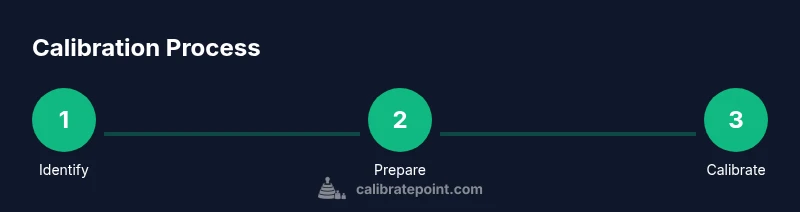
Manual calibration follows a disciplined sequence: confirm instrument identity and range, prepare the setup, verify zero or baseline readings, apply known references, adjust the instrument to align with those references, recheck across the range, evaluate repeatability, document changes, and plan the next check. This overview helps frame the detailed steps that follow and ensures you aren’t skipping essential checks. Consistency in approach is as important as the adjustments themselves.
Common pitfalls and safety considerations
Common pitfalls include skipping warm-up, using non-traceable references, and failing to document adjustments. Never force mechanisms or apply excessive torque to adjustment screws; if resistance is encountered, stop and assess for damage. Verify that the reference standard remains within its stated accuracy during calibration, and avoid contaminating surfaces with oils or solvents. Always wear appropriate eye protection if the tool or environment presents a hazard, and keep hands dry to prevent slips when handling small parts.
Documenting results and traceability
Keep a calibration log with: instrument ID, reference standard ID, date, operator, environmental conditions, readings before and after adjustment, tolerance, and next due date. Attach your reference certificate or QR code to the log. By maintaining a consistent format, you enable year-over-year comparisons and easier audits. Digital records with version control are ideal for complex labs or shops, but ensure backups and secure access so the history cannot be altered after the fact.
When to seek professional calibration
If readings are near the tolerance limit, or if the instrument has experienced a heavy impact or visible damage, seek professional service. Complex instruments may require specialized reference standards and facilities to guarantee traceability. For safety-critical applications, external calibration by an accredited lab is often required by policy or regulation. Regular training and refreshing procedures can also help teams stay current with best practices.
Tools & Materials
- Instrument under calibration(The device being calibrated (e.g., dial indicator, caliper, optical gauge))
- Reference standard with certificate(Traceable to national/international standards; keep certificate handy)
- Calibration weights or gauge blocks(Choose items that cover the instrument’s working range)
- Precision screwdriver set(Include fine-tip Phillips and flat-head; non-magnetic if possible)
- Lint-free cloth and isopropyl alcohol(For surface cleaning and decontamination)
- Calibration logbook or spreadsheet(Record readings, adjustments, and metadata)
- Thermometer or environmental monitor(Track ambient temperature and humidity)
- Zeroing jig or reference plate (optional)(Helps stabilize the zero reference during adjustment)
- Personal protective equipment (glasses, gloves)(Safety first when handling small parts)
Steps
Estimated time: 1-2 hours
- 1
Identify instrument and reference
Confirm the instrument model, range, and measurement units. Check the reference standard certificate for validity and traceability before use. This step prevents selecting an inappropriate standard that would skew results.
Tip: Verify certificate dates and lot numbers; record certificate references in the log. - 2
Prepare workspace and secure instrument
Clear the bench, remove debris, and clamp the instrument if possible to minimize movement. Ensure the instrument is cool to avoid thermal drift during calibration.
Tip: Use a vibration-damping mat and stabilize the reference against a flat, level surface. - 3
Check baseline or zero condition
With no applied measurement, verify the instrument’s zero or baseline reading. If the baseline is off, document the drift and prepare for adjustment.
Tip: Allow the instrument to come to ambient temperature before checking zero. - 4
Apply known reference values
Place reference standards at specified positions and record the instrument’s readings. Use values within the instrument’s accurate operating range to avoid extrapolation errors.
Tip: If the reference is a block or weight, ensure it is clean and seated properly. - 5
Make adjustments using proper controls
Use the designated adjustment controls to bring readings in line with the reference. Apply small, incremental changes and verify after each adjustment.
Tip: Make minimal adjustments; large corrections can introduce new errors. - 6
Repeat tests across the instrument’s range
Test multiple points across the scale or range to confirm linearity. Record readings and compare them to references to assess bias and drift.
Tip: Include endpoints and midpoints to capture nonlinearity. - 7
Assess repeatability and stability
Return to a reference value and re-measure to confirm consistent results. If results vary beyond tolerance, investigate potential mechanical binding or environmental factors.
Tip: Document any transient changes and investigate root causes. - 8
Document changes and maintain traceability
Log all adjustments, readings, and conditions. Attach the reference certificate and note the next calibration due date.
Tip: Keep logs accessible for audits and future calibrations. - 9
Schedule follow-up calibration
Set a recalibration date based on usage, criticality, and observed drift. Update records to reflect the new due date.
Tip: Automate reminders if possible to avoid missing recalibration.
Questions & Answers
What is manual calibration?
Manual calibration is adjusting a hand-operated instrument so its output matches a known reference value. It involves applying precise standards, making controlled adjustments, and documenting results to ensure traceability.
Manual calibration means adjusting the instrument to match a known reference value, then recording the results for traceability.
How long does manual calibration take?
Time varies by device complexity and range. A typical instrument may require 30 minutes to a couple of hours, including setup, adjustment, and documentation.
Calibration time depends on the instrument; most take from half an hour to a couple of hours.
Do I need temperature control for calibration?
Temperature affects readings, so calibrate in a stable environment when possible. If you can’t control temperature well, note ambient conditions in your records.
Yes, temperature matters. Calibrate where the environment is stable and note it if not.
How often should manual calibration be performed?
Frequency depends on usage, criticality, and observed drift. Establish intervals from historical data and manufacturer guidance, then adjust as needed.
Set a schedule based on how often you use the tool and how critical accuracy is.
What are common pitfalls to avoid?
Avoid skipping warm-up, using non-traceable references, and omitting documentation. Do not force adjustments or ignore environmental factors.
Watch out for drift, skip warm-up, and always document results.
Can I calibrate safety-critical tools at home?
For safety-critical or professionally regulated equipment, seek professional calibration services. Home calibration can supplement but may not meet regulatory requirements.
For safety-critical tools, use professional services to meet standards.
Watch Video
Key Takeaways
- Identify and document the instrument and reference clearly.
- Control the environment to reduce drift during calibration.
- Record and preserve traceability for audits and future tests.
- Schedule and perform follow-up calibrations based on usage and risk.