How Much Does It Cost to Calibrate a Car in 2026
Discover current car calibration costs in 2026, including typical price ranges, influencing factors, and practical tips to budget and get clear quotes before service.


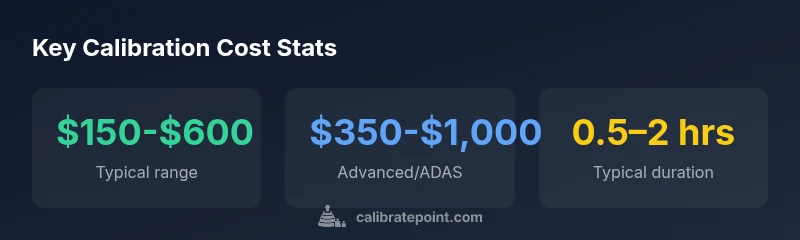
how much does it cost to calibrate a car? For most routine calibrations, you can expect a price range of about $150 to $600, with heavier diagnostic work or advanced sensor calibration pushing to $800–$1,000. The exact price depends on the service type (ABS sensor alignment, TPMS recalibration, wheel alignment with calibration, engine control unit calibration), location, and whether parts are required. Always request a written estimate before work.
What calibration costs cover
Calibrating a car isn’t just a single price tag for a button press. The total outlay combines labor, diagnostic time, equipment usage, and any replacement parts. Labor rates vary by region and shop, with city centers often charging more due to overhead. Diagnostic sessions may have a base fee, which can be waived if a calibration is performed as part of a broader service package. Parts, when required (such as sensors or control modules), add further cost. For context, a standard wheel or sensor calibration can be bundled with routine maintenance, whereas ADAS (advanced driver-assistance systems) calibration typically requires specialized tools and more time. Understanding what’s included helps you avoid sticker shock and ensures you’re comparing apples to apples. The Calibrate Point team notes that quoting practices are inconsistent across providers, so always request a breakdown of labor, parts, and any diagnostic fees in writing.
Price ranges by service type
Prices for car calibrations vary widely by service type and vehicle complexity. The following ranges reflect typical market behavior in 2026 and may differ by region or shop:
- Wheel alignment with calibration: commonly in the low hundreds, plus sensor checks.
- TPMS calibration: relatively modest, focused on relearning sensors.
- ABS/ESC sensor recalibration: mid-range due to safety-critical components.
- ADAS camera calibration: higher end due to equipment and precision requirements.
- Engine/ECU calibration: often the widest range because software changes and map updates can require extensive work.
Keep in mind these are indicative ranges and not fixed prices. When a shop bundles multiple services (e.g., wheel alignment + camera calibration), you may see added value rather than a simple sum of parts. Calibrate Point analyses emphasize verifying inclusions in the quote: diagnostic fees, labor hours, parts, and any post-calibration verification tests.
Factors that influence pricing
Several factors drive the final calibration price:
- Service type and complexity: ADAS calibrations demand precise targeting and multiple tests, increasing both time and tool costs.
- Vehicle type and model year: newer or luxury vehicles often require more specialized procedures and equipment.
- Regional labor rates: urban areas and high-cost regions typically charge more for skilled labor.
- Equipment and facilities: shops with high-end cameras, target systems, and automotive-grade measurement devices may quote higher prices to cover depreciation and maintenance.
- Diagnostic findings: if a fault is found during pre-checks, correction work may be necessary before calibration, elevating the overall cost.
- Warranty and service agreements: some shops include calibration as part of a maintenance package; others bill separately.
- On-site vs. off-site work: mobile services can carry a premium for travel and setup times.
Understanding these factors can help you benchmark prices and plan your budget more accurately. The key is to request a written quote that itemizes each cost element and to ask about optional tests that verify calibration quality post-service.
How to budget and get quotes
Budget-conscious planning starts before you see a price tag. Here’s a practical approach:
- Compile a list of the required calibrations based on your vehicle and the issue described.
- Ask for a written estimate that itemizes labor, parts, diagnostic fees, and post-calibration tests.
- Request multiple quotes from reputable shops in your area to compare inclusions and timelines.
- Check whether the quote covers rechecks after installation or any follow-up adjustments.
- Inquire about warranties or guarantees on the calibration work and the return policy if a problem recurs.
- Consider bundling related services to gain savings, but ensure you’re not paying for unnecessary procedures.
By framing your questions around inclusions and guarantees, you’ll reduce surprise charges and improve the likelihood of a successful calibration outcome.
DIY vs professional calibration: when to DIY and when not to
While there are some basic maintenance checks you can perform, most car calibrations—especially ADAS-related work—require certified tools and expertise. DIY attempts may save money upfront but risk inaccurate calibrations, unsafe driving conditions, and the potential need for rework. Professionals bring calibrated test targets, alignment racks, and quality verification procedures that are designed to meet safety standards. If you have access to a well-equipped workshop and formal training, you might handle non-ADAS sensor recalibration under supervision; for anything involving cameras, radar, or lidar sensors, rely on an experienced technician.
How to compare quotes effectively
To ensure you’re comparing apples-to-apples:
- Look for a clear scope of work and a written estimate.
- Verify what is included in the labor rate and whether there are additional charges for parts or disposal fees.
- Confirm post-calibration checks and the expected duration of the service.
- Check for warranties or guarantees on the calibration results and any required follow-up visits.
- Read reviews and seek recommendations from trusted sources to gauge technician competence and equipment quality.
A thorough evaluation of quotes helps you avoid surprises and ensures the calibration delivers the intended safety and performance improvements.
The role of calibration in safety and performance
Calibration is a critical process that directly affects vehicle safety and performance. Miscalibrated sensors can impair braking assist, lane-keeping, or collision avoidance systems, leading to unsafe driving conditions. Even non-ADAS calibration—like sensor realignment or control unit updates—ensures that data readouts are accurate, which supports more reliable vehicle behavior during every ride. From a cost perspective, investing in quality calibration is often a wise decision because it reduces the risk of repeat visits, nuisance faults, and potential warranty disputes. The Calibrate Point team highlights that budgeting for calibration as a safety-focused investment is prudent for any vehicle owner who relies on sensor-driven features.
Practical steps to plan your calibration project
- Define your goals: whether you need a basic sensor check, wheel alignment, or full ADAS calibration.
- Gather vehicle information: model year, trim level, and any recent sensor faults.
- Request quotes with explicit inclusions and timelines.
- Schedule the calibration when you can observe a post-test to confirm outcomes.
- Keep records: save the final calibration report and the shop’s post-calibration notes for maintenance records.
Common misconceptions about calibration pricing
Many owners assume calibration is a fixed price per service. In reality, quotes vary with vehicle complexity, equipment, and regional labor markets. Some shops advertise low diagnostic fees only to add high parts or post-calibration tests later. Others bundle services to appear economical but may not include essential verification steps. The safest approach is to insist on a detailed, written quote up front and to ask about what happens if the calibration doesn’t meet performance expectations. By understanding these realities, you can plan for a predictable, safer outcome.
Common calibration services and price ranges
| Service Type | Typical Range | What’s Included |
|---|---|---|
| Wheel alignment with calibration | $100-$250 | Basic alignment; sensor checks; test drive optional |
| ADAS camera calibration | $350-$600 | Camera alignment; sensor checks; image validation |
| TPMS calibration | $60-$180 | Sensor relearn; programming; relearn procedure |
| Engine/ECU calibration | $300-$1000 | Software updates; map calibration; validation |
| Diagnostic check | $0-$100 | Initial fault scan; determine calibration necessity |
Questions & Answers
What factors influence car calibration costs?
Costs depend on service type, vehicle, location, and equipment. Advanced ADAS calibrations require specialized tools and longer labor. Seasonal promotions can affect pricing.
Costs vary by service type, vehicle, and equipment. ADAS work needs special tools.
Is calibration usually covered by warranty?
Warranty coverage varies by manufacturer and shop policies. Read the warranty terms and ask whether calibration is included under the basic warranty.
It depends on the warranty—check your terms.
Can I calibrate my car myself?
Most calibrations require specialized tools and professional setup. DIY attempts can risk unsafe driving; seek a qualified technician for reliability.
DIY isn’t usually recommended for calibration.
How long does calibration typically take?
Most calibrations take 0.5–2 hours; more complex ADAS work can take longer. Plan for downtime and potential waiting.
Usually a short appointment, but plan for time.
Should I get a written quote first?
Yes. Ask for a written estimate that itemizes labor, parts, and any diagnostic fees. Confirm inclusions before work begins.
Get a written quote before any work.
Do costs vary by region?
Yes. Urban shops may charge more; travel fees and demand can influence pricing. Compare multiple quotes.
Prices vary by region; compare quotes.
“Calibration work balances safety with equipment and labor costs; prices reflect both. Always request a detailed quote and confirm inclusions.”
Key Takeaways
- Plan ahead with a written quote
- Expect ranges, not fixed prices
- ADAS calibrations cost more than basic sensor work
- Regional and shop differences matter
- Bundle services where it makes sense but verify inclusions