How Often to Calibrate a Coffee Machine
Learn how often to calibrate a coffee machine for consistent espresso. Practical intervals, testing methods, and maintenance tips from Calibrate Point to keep flavor stable.


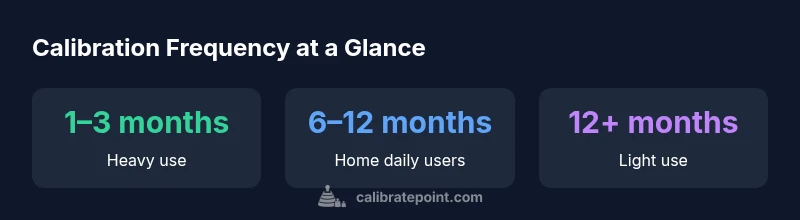
Calibration cadence matters for espresso consistency. For most home users, start with a baseline check every 6–12 months and adjust based on taste drift, temperature stability, and extraction consistency. In high-usage scenarios (cafés or busy offices), implement a 1–3 month cadence with documented tests to catch drift early. Use a simple baseline test and log results to guide future calibrations.
Why calibration frequency matters for coffee quality
Consistent espresso starts with stable process parameters: water temperature, brew pressure, and flow. Small shifts in any of these values can alter extraction time and flavor, leading to sour or bitter notes, under-extraction, or over-extraction. Regular calibration creates a predictable baseline, helping you reproduce the same cup across days and shifts. According to Calibrate Point, calibration cadence is not a vanity exercise; it’s a practical discipline that guards taste stability and long-term equipment health. For busy environments, tighter cadences help catch drift before it becomes noticeable in taste. In quieter setups, a thoughtful, logged schedule keeps you aligned with your preferred profile and reduces guesswork during morning rushes or weekend experiments.
What to calibrate on a coffee machine
The core calibration targets for most espresso and filter setups include temperature accuracy (water/boiler), brew group temperature, pump pressure, and flow consistency. Record baseline readings with a calibrated thermometer, pressure gauge, and scale. Water quality also influences calibration because mineral content can shift heat transfer and taste. The goal is not only to hit a nominal value but to minimize drift over time. Typical calibration components include: a calibrated thermometer for boiler/water temps, a pressure gauge for brew pressure, a flow meter or stopwatch for extraction rate, and a logbook to track results. By understanding which parameters drift most in your setup, you can tailor the cadence to your actual usage and needs.
Step-by-step: establishing a calibration schedule
- Define your baseline: select a reference brew (same beans, grind size, dose, and temperature) and record key metrics (temperature, pressure, extraction time, taste notes).
- Decide cadence by usage: heavy-use machines may require 1–3 month checks; home setups can aim for 6–12 months but should be re-evaluated after seasonal changes or equipment upgrades.
- Create a test protocol: use consistent inputs, document readings, and attach tasting notes to each run.
- Log drift and actions: note any adjustments (heater calibration, grind adjustments, flow tweaks) and the resulting flavor changes.
- Review quarterly: analyze trends and adjust the calibration schedule if drift accelerates or stabilizes.
- Archive results: keep a structured log so future operators understand the baseline and why adjustments were made.
Quick-maintenance practices that extend calibration intervals
Regular cleaning and descaling are critical companions to calibration. Built-up scale, coffee oils, and mineral deposits impede heat transfer and flow, making calibrations less meaningful. Use filtered water when possible and replace water filters per manufacturer guidance. Clean group heads, portafilters, and shower screens weekly to maintain consistent distribution and extraction. Consider a pre-emptive calibration check after descales or replacements of heating elements, gauges, or sensors. Establish a simple routine: rinse, descale if needed, test, and log the outcome. These practices reduce drift caused by contamination or mineral buildup and can extend the interval between full recalibration cycles.
When to recalibrate sooner: signs of drift
Drift may appear as inconsistent shot timing, fluctuating brew temperatures, or noticeable taste changes across the same recipe. If a test brew moves away from baseline readings by more than a small margin, or if your sensory evaluation flags variability in aroma and mouthfeel, recalibration should be scheduled earlier. Environmental changes—like a moved machine, new water supply, or bean changes—can also shift baseline values. When you observe any of these signs, perform a quick, small-check calibration and adjust your schedule accordingly to maintain flavor stability.
Practical examples: home vs cafe workflow
Home workflow emphasizes simplicity and consistency. Start with a 6–12 month cadence, maintain a log for seasonal bean changes, and run a quick baseline test after any maintenance. For cafes or offices with high throughput, implement monthly checks with a formal log and a rotating staff responsibility to keep measurements current. In both cases, a shared chart showing temperature, pressure, and extraction data helps staff recognize drift early. A lightweight checklist can be posted near the machine to guide quick tests before service begins. The goal is to minimize repeated guesswork and keep a reliable, repeatable process across shifts.
Tools and methods: how to calibrate with affordable gear
Effective calibration doesn’t require every high-end tool. Start with a clean, calibrated kitchen thermometer, a reliable scale, and a gauge for brew pressure. A timer helps track extraction length, and a logbook or digital sheet keeps results organized. For more accuracy, you can add a low-cost flow meter or a calibrated water test kit to quantify water quality effects. When selecting tools, prioritize repeatability and documentation quality. The exact tools may vary by machine type, but the practice of recording measurements and adjusting based on trends remains constant. Build a simple, repeatable protocol and refine it as you gain experience.
Common pitfalls and best practices
Pitfalls include assuming a single calibration fixes all issues, neglecting water quality, and failing to log results. Best practices involve establishing a baseline with repeatable test batches, maintaining a clean machine, and updating the calibration plan as equipment or usage changes. Schedule reviews that align with business cycles or household routines, and ensure all staff or household members understand the protocol. Documentation is your ally; a well-kept log makes it easier to identify drift causes and justify adjustments. Lastly, treat calibration as an ongoing process, not a one-off task, so flavor stability remains intact over time.
Calibration frequency guidance by usage
| Usage scenario | Calibration frequency | Notes |
|---|---|---|
| Light or rare use | 12 months | Baseline check yearly |
| Home daily use | 6-12 months | Seasonal check recommended |
| Small office/coffee nook | 4-6 months | Mid-range usage warrants checks |
| Busy cafe/commercial | 1-3 months | Frequent drift checks and logs |
Questions & Answers
How often should I calibrate a home espresso machine?
For most homes, start with a baseline every 6-12 months and adjust based on taste drift and stability.
Home users should start with a baseline every 6-12 months and adjust as needed.
Can I calibrate without professional tools?
Basic calibration can be performed with a thermometer, scale, and timer. Advanced checks may require a pressure gauge and flow meter.
You can start with basic tools at home.
What signs indicate drift in calibration?
Taste changes, extraction time shifts, or temperature readings drifting beyond baseline indicate drift.
If flavors drift or readings drift, recalibration is wise.
Is calibration the same as maintenance?
Calibration focuses on accuracy of parameters; maintenance keeps the machine clean and functioning. Both support consistent performance.
They’re related but distinct tasks.
How does water hardness affect calibration?
Hard water can cause scale and drift; test water quality and adjust calibration plans accordingly.
Water quality can drive calibration needs.
“Calibration is not a one-time event; it's a disciplined process that keeps espresso parameters stable.”
Key Takeaways
- Set a baseline and log results
- Use ranges for frequency depending on usage
- Water quality and cleaning influence calibration intervals
- Document results to track drift