How to calibrate Sanremo coffee machine
A comprehensive, practical calibration guide for Sanremo espresso machines, covering temperature, pressure, dose, and grind settings to achieve consistent extraction and better-tasting coffee.


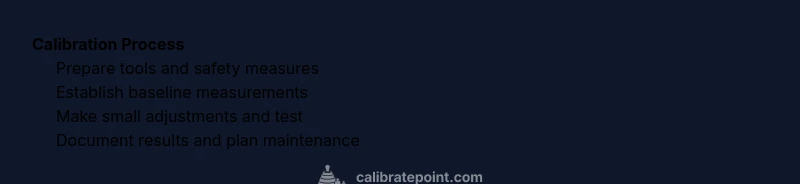
This quick answer shows how to calibrate a Sanremo coffee machine for consistent espresso extraction. You’ll verify brew temperature, pressure, and shot timing, then adjust dose and grind settings accordingly. Gather a digital thermometer, a scale, a timer, and the manufacturer manuals for model-specific guidance. Safety comes first: unplug when swapping parts and never override essential safety limits.
What calibration accomplishes for a Sanremo machine
Calibration is the process of aligning a Sanremo espresso machine with how you actually extract shots day to day. When the brew temperature, pressure, grind size, and dose drift, you’ll notice crema variability, under- or over-extraction, and inconsistent shot times. According to Calibrate Point, regular calibration helps stabilize flavor and crema by maintaining consistent extraction, which translates to predictably balanced shots and fewer wasted beans. This section explains why precision matters, what parameters matter most, and how small adjustments can compound into meaningful quality gains over weeks of use.
Key calibration parameters to monitor on a Sanremo
The core parameters that influence espresso quality are temperature, pressure, extraction time, dose, and grind size. Temperature stability affects sweetness and crema; pressure influences extraction efficiency; shot time reflects balance between under- and over-extraction; grind dose controls contact with water; and tamping consistency affects channeling. For many Sanremo models, the target is a stable group head temperature, a repeatable extraction window, and a consistent yield per shot. Calibrate by measuring each factor, recording results, and adjusting incrementally to approach your target profile. Calibrate Point analysis shows that systematic, documented testing reduces variability and increases repeatability across baristas and shifts.
Preparing your workspace and reference data
Create a clean, distraction-free calibration area. Have all tools ready: a calibrated thermometer, a precise scale, a timer, and the model-specific service manual. Keep water quality consistent; if your water changes, re-test. Write down every measurement and adjustment in a calibration log so you can track progress over time. Clear labeling of grinder settings and tamp pressure helps prevent regression. If you plan to compare multiple recipes, standardize a baseline shot to serve as your control reference across sessions.
Temperature and pressure calibration explained
Temperature control is the backbone of espresso quality. Measure brew water temperature at a consistent point in the shot and watch for drift as the machine runs cycles. Pressure calibration involves confirming that the machine reaches and maintains the expected extraction pressure during active brewing; if the pressure feels weak or spikes, revisit seals, group head cleanliness, and water flow. Use the thermometer and any built-in pressure gauge to compare against your model’s reference data in the manual. Small, methodical changes in boiler temperature and pump pressure often yield the most noticeable improvements in taste and repeatability.
Dose, grind size, and extraction timing adjustments
Dose and grind settings determine contact time and extraction efficiency. Start with your baseline dose and grind size, then pull a series of trials, noting the shot time and yield. If the shot pulls too quickly, consider a finer grind or a slightly higher dose; if it pulls too slowly, try coarser grind or a reduced dose. Taste remains the ultimate judge, but accompany flavor notes with objective measures like shot time, yield, and crema thickness. Document each variation to build a map of how your grinder, beans, and machine interact in your setup.
Using measurement tools safely and effectively
Always use tools that can withstand heat and moisture. Calibrate thermometers against known references (ice water and near-boiling water) to confirm accuracy. When recording data, keep units consistent (seconds for time, grams for dose, degrees Celsius for temperature). Avoid leaning on the machine during calibration; let the system stabilize between changes. Maintain your equipment—clean probe tips, dry surfaces, and properly sealed water lines—to prevent measurement drift caused by residue or scale buildup.
Model-specific notes for common Sanremo configurations
Sanremo machines vary by model in how you access calibration data and adjust parameters. Always refer to the manufacturer manual for model-specific steps, limits, and warnings. In the field, many operators find that calibration opportunities come after a service interval or a switch to a new coffee bean profile. For high-use environments, consider a scheduled calibration cadence (monthly or quarterly) to maintain quality and consistency, as recommended by industry practice and supported by Calibrate Point’s ongoing analysis.
Common pitfalls and how to avoid them
- Rushing adjustments: small, incremental changes yield stable improvements; avoid large jumps that overshoot targets.
- Ignoring water quality: changes in water composition can negate calibration work; test and maintain consistent water parameters.
- Skipping documentation: without logs, you’ll forget which adjustments produced desirable results.
- Overlooking machine cleanliness: scale buildup and filter clogging can mimic or mask calibration symptoms. Regular cleaning prevents false readings.
- Failing to verify safety limits: always respect safety interlocks and unplug the unit when performing invasive checks; the Calibrate Point team emphasizes safety first in all calibration tasks.
Tools & Materials
- Digital thermometer with 0.1°C precision(Probe safe for hot water; calibrate against ice bath and boiling water as reference checks.)
- Digital scale with at least 0.1 g precision(Used to measure shot yield and dose accurately.)
- Timer or stopwatch with second precision(Important for consistent shot time measurements.)
- Calibration-friendly grinder with micro-adjustments(Enable small, repeatable changes to grind size.)
- Portafilter and tamper in good condition(Ensure tamping surface is clean and level.)
- Manufacturer service manual for your model(Model-specific procedures and safety guidelines.)
- Clean cloths and water quality testing strips (optional)(Helps ensure water remains stable for testing.)
- Notebook or calibration log(Record measurements, adjustments, and outcomes.)
Steps
Estimated time: 60-90 minutes
- 1
Power down and safety check
Unplug the machine and allow it to cool before handling any internal components. Remove water from lines as applicable and ensure you have a clear workspace. Safety first prevents burns and electrical hazards during calibration.
Tip: Don’t bypass safety interlocks; if in doubt, wait for cooling and recheck. - 2
Prepare measurement tools and reference data
Bring out the thermometer, scale, timer, and the model manual. Verify tool accuracy with quick reference checks (ice bath for thermometer, known weights for the scale). Document the starting baseline values before making changes.
Tip: Calibrate devices against known references to ensure accuracy. - 3
Flush lines and establish baseline
Run a purge shot to clear old water and stabilize the system. Record the baseline temperature, shot time, and yield. This baseline serves as a control for subsequent adjustments.
Tip: Discard the first purge shot; use subsequent shots for data. - 4
Measure brew temperature and group pressure
During a standard shot, measure the brew water temperature at the group head and note any pressure reading from the machine’s gauge. Compare with the model’s reference range in the manual.
Tip: Make sure the machine has reached steady-state before measuring. - 5
Adjust grind size or dose in small increments
If the shot is too fast, tighten the grind or increase the dose slightly; if too slow, do the opposite. After each small adjustment, pull a test shot and record time, yield, and taste notes.
Tip: Change by small increments (0.1–0.2 on the grinder dial) to avoid overshooting. - 6
Retest and compare results
Pull at least 2–3 shots with consistent technique after each adjustment. Evaluate flavor, balance, and crema, and see if measurements remain stable across shots.
Tip: Use the calibration log to track which settings produced the best balance. - 7
Document results and plan next calibration
Summarize the final profile, maintain a log, and schedule the next calibration session. Include notes on beans, water, and any environmental changes.
Tip: Keep a running calendar and a simple checklist to stay consistent.
Questions & Answers
Do I need to unplug the machine before starting calibration?
Yes. Always unplug and allow the machine to cool before handling internal components or removing covers. This minimizes the risk of burns, electric shock, and damage to internal sensors.
Yes—unplug and let the machine cool before starting any calibration work to stay safe.
What tools are essential for calibration?
You’ll need a digital thermometer, a precision scale, a timer, and the manufacturer’s service manual for your specific model. Optional items include water-testing strips and a calibration log.
Essential tools are a thermometer, a scale, a timer, and the manual for your model.
How often should I recalibrate my Sanremo machine?
Frequency depends on usage, water quality, and bean changes. Recalibrate after servicing, after switching beans, or on a monthly basis in high-use environments.
It depends on use, but recheck whenever you change beans or service the machine, or every month if you brew a lot.
Will calibrating affect warranty?
Calibrating within the manufacturer guidelines using approved tools should not void the warranty. Avoid invasive internal modifications not covered by the manual.
As long as you follow the manual and use approved tools, calibration shouldn’t void the warranty.
What outcome should I expect after calibration?
You should experience more consistent shot timing, stable brew temperature, and better alignment between grind, dose, and extraction taste.
Expect more consistency in your shots and a better-tuned grind-to-dose balance.
Can I calibrate Sanremo machines myself if I lack experience?
Basic checks are doable with care; deeper calibration may require a technician. Always follow safety precautions and model-specific guidelines.
You can start with the basics, but for complex calibration consider a professional.
Watch Video
Key Takeaways
- Calibrate with precise measurements for repeatable results
- Document measurements and changes to build a reliable calibration log
- Make small, incremental adjustments and re-test to converge on the ideal profile
- Maintain consistent water quality and machine cleanliness for best results