How to Calibrate a TDS Meter Without Solution: Practical Guide
Learn how to calibrate a TDS meter without calibration solution using a zero baseline with distilled water, safe techniques, and verification steps for reliable, rough measurements.


You can calibrate a TDS meter without calibration solution by establishing a zero baseline with distilled water and adjusting the device’s calibration control, then verifying with a known reference like distilled water and a follow-up reading. This method provides a rough baseline and should be used with caution.
Why calibrating a TDS meter without solution is challenging and when it can be useful
Calibrating a Total Dissolved Solids (TDS) meter without a dedicated calibration solution is possible, but it comes with important caveats. In the absence of a certified reference solution, you are not performing a true, traceable calibration; you are establishing a rough baseline and monitoring drift over time. This approach is common for field technicians, hobbyists undertaking quick checks, or situations where a calibration kit is not accessible. In this guide, we walk through safe, practical methods to create a reasonable zero baseline and to validate readings using everyday reference sources. Throughout, the goal is to improve consistency while clearly communicating the limits of accuracy. For DIYers and professionals, understanding these limits helps prevent overreliance on readings that could misrepresent water quality. how to calibrate tds meter without solution
Core principle: establish a zero baseline with distilled water
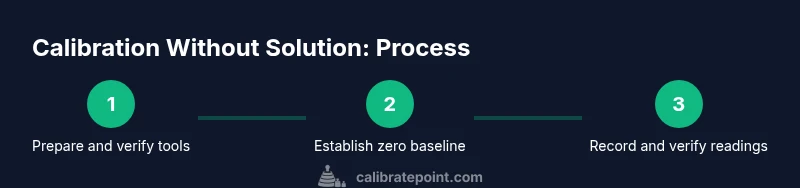
The most widely accepted non-solution calibration method is to use distilled water to create a near-zero baseline. Many TDS meters are sensitive to residual ions on probes, so rinse the probe and immerse it in distilled water, allow the reading to stabilize, then adjust the meter to align with the expected near-zero value according to the device's manual. If your meter does not display exactly zero, aim for the smallest stable reading achievable and document the residual drift. Temperature can tilt readings, so perform the step at a stable room temperature and, if available, disable temperature compensation during the zero-setting to avoid adding variables. Note that this baseline is not universally valid for all samples, but it gives you a repeatable starting point for daily checks. how to calibrate tds meter without solution
Handling the probe and environment to minimize drift
For accuracy, always inspect and clean the probe before testing. Remove buildup with a soft brush or cloth and avoid touching the sensing area with fingers or harsh materials. Temperature variations between ambient room conditions and testing water can cause drift; where possible, perform calibration steps in a controlled environment and allow the probe to acclimate to room temperature for at least 10 minutes before testing. Keep the probe capped between measurements to prevent drying, which significantly changes readings over time. Small, repeatable motions during immersion can also reduce added variability. how to calibrate tds meter without solution
Alternative references when distilled water is not readily available
If distilled water is unavailable, you can use ultra-pure water from other trusted sources, or very low-TDS water such as RO-treated water where the source quality is well understood. Recognize these are still not true calibration solutions, but they can offer a secondary reference point to observe whether the meter behaves consistently across low-TDS inputs. Do not rely on these readings for precise dosing, chemical control, or regulatory compliance. Document the chosen reference and its expected approximate range to maintain transparency. how to calibrate tds meter without solution
Verifying results through cross-checks with multiple sources
To gain confidence in rough calibration, compare readings across two low-TDS references (for example, two distilled-like sources or one distilled water and one ultra-pure RO water) and note any consistent differences. If one source yields a reading consistently higher or lower, treat the discrepancy as an indicator of drift or probe aging. Record temperatures and environmental notes, as temperature compensation features can influence the outcome. This cross-check reinforces the idea that without a dedicated calibration solution, readings are best used for trend monitoring rather than exact quantification. how to calibrate tds meter without solution
Maintenance and care to extend probe life
Protect the electrode by rinsing with distilled water after each measurement and storing it with a cap or protective sleeve to maintain hydration. Avoid alcohol-based cleaners, which can damage sensing membranes, and never dry the probe completely. Periodic cleaning with a soft brush helps prevent biofouling and ionic buildup that skews readings. Regularly inspect the sensor for cracks or wear; a damaged probe is often the root cause of drift more than any calibration adjustment. Adhering to a steady routine reduces variability when you are not using calibration solutions. how to calibrate tds meter without solution
When to seek professional calibration or replacement
If readings remain unreliable despite careful cleaning and zero-baseline attempts, or if the meter consistently fails to zero in distilled water, professional calibration is recommended. Calibration against a recognized standard ensures traceability and accuracy for critical testing. In many cases, the sensing element may be nearing end-of-life, requiring replacement. In DIY contexts, use rough baselines only for non-critical tasks and clearly note the limitations in your records. The decision to replace or certify the device should consider how you intend to use the measurements. how to calibrate tds meter without solution
Tools & Materials
- Distilled water (for zero baseline)(Ensure it's pure; use freshly opened bottle)
- TDS meter with calibration capability(If model uses auto-calibration, follow the manual)
- Soft microfiber cloth(For drying and probe cleaning)
- Distilled water container or cup(Dedicated container to avoid cross-contamination)
- Calibration log or notebook(Record readings, adjustments, and environmental conditions)
- Small screwdriver or alignment tool(Only if your meter has a physical zero/calibration screw)
Steps
Estimated time: 15-25 minutes
- 1
Gather and prepare tools
Collect distilled water, the TDS meter, cleaning cloth, and a dedicated testing cup. Read the manual for any model-specific precautions. Having everything ready reduces interruptions during calibration.
Tip: Pre-label your testing cup to avoid cross-contamination between samples. - 2
Rinse and inspect the probe
Rinse the probe with distilled water to remove residues. Inspect the sensing area for cracks or debris. A clean electrode is essential for repeatable zero readings.
Tip: Do not rub the sensing surface with hard brushes; gentle cleaning preserves the membrane. - 3
Immerse in distilled water and wait to stabilize
Dip the probe into distilled water and allow it to stabilize for 30–60 seconds. Note the stabilized reading carefully before any adjustment.
Tip: If your meter has automatic temperature compensation, temporarily disable it to prevent temperature changes from masking real drift. - 4
Adjust zero/baseline to near-zero
Using the device’s zero control (or following the manual’s calibration procedure), adjust the reading to as close to zero as possible. Do not force a precise zero if the reading cannot be achieved without straining the instrument.
Tip: Document the final baseline reading and the ambient temperature during calibration. - 5
Re-test with distilled water and log
Rinse once more with distilled water and re-check the reading. Compare with the initial stabilized reading to verify consistency. Record the values and conditions in the calibration log.
Tip: If readings drift significantly between tests, clean or re-check the probe mount and ensure no air bubbles cling to the sensor. - 6
Evaluate drift indicators and plan next steps
Assess whether the drift is within acceptable limits for your intended use. If drift remains excessive or readings are inconsistent, consider professional calibration or probe replacement.
Tip: Set a reminder to recheck calibration after a specific usage period to catch gradual drift early.
Questions & Answers
Is it safe to calibrate a TDS meter without calibration solution?
Yes, for rough baseline checks you can use distilled water to set a near-zero reading, but this is not a substitute for a certified calibration. Treat the results as indicative rather than exact. Always consult the device manual for model-specific guidance.
You can do a rough baseline with distilled water, but it's not a substitute for proper calibration.
Can I use distilled water to zero the meter?
Yes. Immerse the probe in distilled water, allow stabilization, and adjust toward zero as described by your device. If zero cannot be achieved, note the outcome and proceed with caution.
Distilled water helps set a zero baseline; if zero isn’t possible, record the result and proceed carefully.
Should temperature be controlled during non-solution calibration?
Temperature affects readings. Calibrate at a stable room temperature and document it. If your meter supports temperature compensation, decide whether to use it consistently during checks.
Keep the temperature stable and use compensation consistently if available.
What if the meter won’t zero even after cleaning?
Check for residue, inspect the probe, and consult the manual. If persistent, the sensor or electrode may be aging, requiring professional calibration or replacement.
If it won’t zero after cleaning, inspect the sensor and consider replacement or professional service.
How should I record calibrations for future reference?
Maintain a calibration log with date, readings, environment, and adjustments. This helps identify drift trends and plan maintenance.
Keep a log of readings and conditions to track drift.
Watch Video
Key Takeaways
- Establish a zero baseline with distilled water as the starting point.
- Document environment and readings to track drift over time.
- This method provides rough estimates, not traceable calibration.
- Regular maintenance extends probe life and reading stability.