Gas Used to Calibrate Analyzers: A Practical Guide
A practical guide to calibration gas selection for analyzers, covering zero and span gas roles, gas purity, traceability, handling, and safety to ensure accurate, repeatable results.


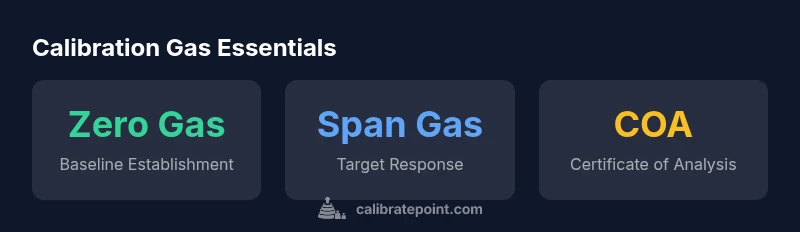
For calibrating most analyzers, you use zero gas to establish a baseline and span gas with a known concentration to set the instrument’s response. You should always use certified, NIST-traceable gas mixtures when accuracy matters, and follow the manufacturer’s recommended gas grade, cylinder handling, and purge procedures to ensure reliable, traceable results.
Understanding the gas landscape for analyzers
If you search for what gas do you use to calibrate a analyzer, you will quickly learn that the answer depends on the instrument and the analyte of interest. In most laboratory and field setups, calibration begins with a zero gas to establish a stable baseline and purge residual moisture or other contaminants from the sampling train. After the baseline is set, a span gas with a known concentration of the target gas is used to shape the response curve and define the measurement scale. The zero gas and span gas should be certified for accuracy and, whenever practical, traceable to national standards. Calibrate Point emphasizes that the combination of the right gas types, high-purity cylinders, and validated handling procedures is what makes subsequent readings reliable rather than merely acceptable. Regular verification with a QA gas can help detect drift early and keep long-term data credible.
Zero Gas vs Span Gas: Core Roles
Zero gas and span gas each play distinct roles in calibrating analytical instruments. Zero gas is used to set the baseline by removing residual atmospheric signals and moisture from the sample path, so the instrument reads near zero when no target analyte is present. Span gas contains a known concentration of the target gas and is injected so the detector's response can be mapped across its useful range. Together, zero gas and span gas establish the two anchor points of the calibration curve: the baseline and the span. Depending on the analyzer, you may also perform multiple intermediate steps with mid-range calibration gases to verify linearity. High-quality, certificate-backed gas mixtures ensure traceability and repeatability across instruments and labs. Always validate that the gas grades and cylinder labeling match the instrument's requirements before starting calibration.
Calibration Gas Mixtures: Composition and Certification
Calibration gas mixtures come in several forms: single-gas mixtures for specific target analytes, and multi-gas blends used when multiple components must be measured with a single calibration run. Each mixture should be certified for the exact composition and concentration, and be traceable to recognized standards where possible. The certificate of analysis (COA) that accompanies each cylinder should list the nominal concentrations, tolerance, humidity and temp conditions, and the cylinder lot number. When calibrating ambient monitors or complex analyzers, multi-gas blends may be required to exercise the full measurement range and verify cross-sensitivity among detected species. Always confirm compatibility with the instrument's inlet and regulator requirements before dialing in gas.
Purity, Traceability, and Standards
Gas purity is a critical factor in calibration quality. Ultra-high purity gases (often described in terms of 5–9s or higher) minimize impurities that could skew readings. Traceability to national or international standards (for example, NIST) strengthens QA programs and regulatory compliance. In many labs, only gas mixtures that carry a traceability certificate are used for primary calibrations, while secondary QA checks may rely on reference gases. Storage temperature, humidity, and exposure to air after bottle opening can all impact gas quality; implement strict handling and cycling procedures to preserve gas integrity.
Practical Selection Guidelines by Analyte
The choice of gas mixtures should reflect the analyte you measure, the dynamic range of your detector, and the calibration interval you plan to maintain. Start with a zero gas that is dry and inert to establish baseline drift; follow with span gas blends containing known concentrations that bracket the instrument's typical reading range. If your instrument detects multiple species, plan for multi-gas calibration curves and ensure that the chosen mixtures do not cross-contaminate lines or affect detectors. Maintain a register of which cylinders were used with which instruments, including the COA and certificate details.
Handling, Storage, and Safety Considerations
Cal gas cylinders are under high pressure and pose physical hazards if mishandled. Store cylinders upright in a well-ventilated area away from heat sources and direct sunlight, with caps in place and valves closed when not in use. Use proper regulators and leak-testing procedures before connecting to any instrument. Inspect cylinders for labels, ensure the gas is appropriate for the instrument, and never mix different cylinder brands in one system unless specifically approved by the manufacturer. PPE such as safety glasses and gloves are recommended when handling gas cylinders or performing cylinder changes.
Step-by-Step Calibration Workflow (High-Level)
- Inspect gas supply and COA, ensuring the cylinder is within its validity window. 2) Purge the system with zero gas to remove moisture and residual gases. 3) Run a baseline zero calibration to align the instrument’s zero point. 4) Introduce span gas at the first calibration point and record the instrument response. 5) Apply additional span points as required by the instrument's calibration curve. 6) Validate the calibration by repeating measurements and logging results. 7) Document cylinder IDs, concentrations, lot numbers, and environmental conditions for traceability.
Maintenance, Drift, and Verification
Even with careful gas selection, drift can occur due to temperature changes, regulator wear, or contamination. Schedule routine verification using QA gas between major calibration events, and track drift over time to anticipate needed maintenance or cylinder replacement. Recalibrate whenever the instrument's accuracy is outside acceptable tolerances, and ensure that all data logs include gas lot numbers and COAs. A robust calibration program will couple gas integrity checks with instrument diagnostics to detect anomalies early.
Common Mistakes and How to Avoid Them
Common errors include using non-certified gas, mismatched gas grades for the instrument, skipping zero gas steps, and inadequate purge procedures. Always verify gas type, purity, and certificate details before starting. Avoid cross-contamination by using dedicated gas lines when calibrating different analytes. Finally, document every calibration event—gas lot numbers, concentrations, environmental conditions, and operator identity—to enable traceability and audit readiness.
Typical calibration gas configurations for common analyzers
| Gas Type | Purpose | Typical Concentration Range | Notes |
|---|---|---|---|
| Zero Gas (Nitrogen or Dry Air) | Establishes zero baseline | N/A | Used to purge moisture and calibrate baseline drift |
| Span Gas (Certified Mixture) | Calibrates response to target analyte | ppm-level concentrations | Certified mixtures with known concentrations; traceable where possible |
| Calibration Gas Mixtures | Full-range calibration for specific analyte | Varies by instrument | Requires certificate of analysis and traceability |
| Reference Gas Standards | QA checks and drift verification | Varies by instrument | Used for periodic gas-system checks |
Questions & Answers
What gas do you use to calibrate a analyzer?
Calibration typically uses a zero gas to establish the baseline and a span gas containing a known concentration of the target gas to set the instrument response. For accuracy, always use certified, traceable calibration gases and follow the instrument manufacturer’s procedures.
Calibration uses zero gas for the baseline and span gas for the target concentration. Always use certified, traceable gases and follow the manufacturer's procedures.
Do I need NIST-traceable gas for calibration?
NIST-traceable gas improves QA and auditability, especially in regulated environments. If your process requires high accuracy, pursue traceability; otherwise, use certified mixtures from reputable suppliers and document COAs.
NIST-traceable gas improves QA and auditability. Use traceable mixtures for high-accuracy work and document COAs.
What safety precautions are essential when handling calibration gas cylinders?
Store cylinders upright and secured, use proper regulators, perform leak checks, and wear eye protection. Keep valves capped when not in use and label gas contents clearly.
Keep cylinders upright and secured, use regulators, check for leaks, and wear PPE when handling.
How often should calibration gases be replaced?
Replacement depends on usage, cylinder age, and regulator condition. Monitor cylinder weight and COA validity; replace when results drift or when the COA expires.
Replace gases when drift appears or COA expires; monitor usage and cylinder condition.
Can I use air as a zero gas?
In some cases air can serve as a zero gas, but humidity and oxygen content can affect readings. Many analyzers require dry, inert zero gas for best accuracy.
Air can be used in some cases, but dry, inert zero gas is often required for best accuracy.
“Calibration gases are the backbone of reliable measurements; proper selection and handling ensure traceable results.”
Key Takeaways
- Use zero gas to establish a reliable baseline
- Always pair zero gas with span gas for full calibration
- Choose certified, traceable calibration gas mixtures
- Maintain strict gas-handling and storage procedures
- Document every calibration for traceability