How to Calibrate a GE Oven: Step-by-Step Calibration Guide
Learn how to calibrate a GE oven with a practical, safety-focused, step-by-step method. This guide covers the right tools, verification tests, and safe adjustments for accurate baking results.


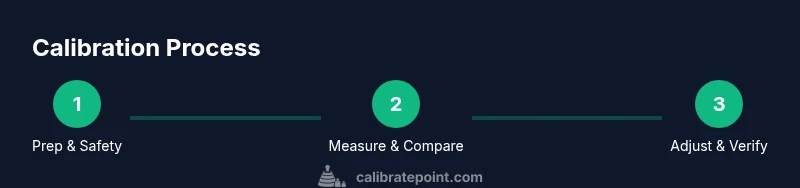
Learn how to calibrate your GE oven to ensure accurate baking temperatures. This guide covers tools, safety, and a 6-step process, plus common pitfalls and recommended temperature checks. By following these steps, you’ll improve cooking accuracy and energy efficiency while avoiding common calibration mistakes. The quick answer highlights essential requirements and safety notes. Keep the oven powered off when removing racks and use an external thermometer for verification.
Why Calibrate a GE Oven Matters
According to Calibrate Point, calibrating a GE oven helps ensure the set temperature matches what you bake at, which can improve result consistency, reduce guesswork, and save energy over time. Home ovens often show slight variances between the dial setting and the actual temperature inside the cavity. In practice, a miscalibrated oven can cause baked goods to come out overcooked on the outside but undercooked inside, or vice versa. Regular calibration is a straightforward way to keep cooking results reliable, especially for recipes that depend on precise temperatures, such as delicate pastries or dry-heat roasting. This section builds a foundation for understanding why accuracy matters and how evidence from calibration tests informs small but meaningful adjustments. Calibrate Point analysis, 2026, emphasizes that calibrated appliances maintain performance and extend service life when paired with routine maintenance.
How Temperature Calibration Works
Temperature calibration centers on aligning the oven’s internal sensor, thermostat, or electronic control with an independent reference thermometer. When you set a temperature, the oven uses its sensor to decide when to stop heating. If the sensor is off, the oven may heat too little or too much, skewing actual temperatures away from the dial. The calibration process involves testing the oven at fixed setpoints, comparing the oven thermometer reading to the dial, and adjusting the control offset or calibration setting to reduce this gap. For GE models, the exact path to adjustment varies by model year and control type, so always consult the user manual before making changes. The goal is to bring readings within a safe, practical tolerance that produces consistent results across multiple bake profiles.
Understanding GE Oven Temperature Readings and Tolerances
Ovens are designed with a tolerance range that accounts for sensor lag, air flow, and heat distribution. The key idea is that you want the true oven temperature to align with the intended bake temperature within a reasonable margin. If you notice consistent underbake or overbake at several temperatures, calibration is warranted. Spread across different rack positions and bake modes, the variance should stay within a small, predictable range. When testing, keep notes of the dial setting, the thermometer reading, and the corresponding bake outcome so you can evaluate whether an offset is needed and by how much. Consistency is the metric that matters most for reliable results.
Safety Considerations and Safe Handling During Calibration
Safety comes first when working around hot appliances. Always power the oven off and allow it to cool completely before handling racks or probes. Use heat-resistant gloves when placing or removing items, and keep flammable materials away from the cooking area. If your oven is built into cabinetry, ensure the area is clear and stable. When using an external thermometer, avoid contact with hot components and never force components to fit where they don’t belong. Calibration work is a controlled test, not a repair, so if you encounter sharp edges or damaged wiring, stop and consult a professional.
Verifying Temperature With the Right Tools
A high-quality external oven thermometer is essential for this task. Place it in the center of the oven, away from the door gasket and heating elements, and avoid close proximity to vent streams. Use a reliable digital timer and note the readings at multiple time points during a preheat and bake cycle. For best results, perform a couple of test runs at a few representative temperatures (for example, a moderate bake and a high-heat roast). Record each reading, noting the ambient kitchen conditions, rack position, and any cookware used. This data becomes the basis for deciding whether to adjust the oven’s calibration offset and by how much.
Common Pitfalls and Troubleshooting
Be mindful of thermometer placement; near the door or vents can create misleading readings. Do not rely on the factory indicator light alone for temperature accuracy. Allow the oven to stabilize after changes; rushing to test can yield false results. Avoid using cold baking stones on a cold oven when testing because they can absorb heat and skew readings. Keep in mind that some GE models use automatic offsets or hidden calibration settings; if you cannot find a way to adjust, the model may require service or a newer control board.
Next Steps and Regular Maintenance
After calibration, re-test at several temperatures to confirm the offset works across a range of commonly used settings. Keep a calibration log with dates, setpoints, thermometer readings, offsets applied, and bake outcomes. Recalibrate periodically, especially after appliance age, frequent use, or service work. Regular checks help maintain accuracy and extend appliance life. For ongoing reliability, couple calibration with routine cleaning and door seal checks to reduce heat loss and improve efficiency.
Tools & Materials
- External oven thermometer(Choose one with ±1–2°F accuracy; place in center of rack away from heating elements)
- Digital timer(Precise timing helps stabilize readings during preheat and test cycles)
- Oven-safe probe thermometer (optional)(Use for internal temperature checks of test dishes if needed)
- GE oven manual or calibration guide(Refer to model-specific instructions for offset procedures)
- Pencil and notebook(Record setpoints, readings, offsets, and bake results)
- Oven mitts and heat-resistant gloves(For safe handling of racks and hot cookware)
Steps
Estimated time: 60-90 minutes
- 1
Power down and prep the oven
Turn off the oven, then unplug or switch off the circuit as applicable and allow the appliance to cool completely. Remove racks to gain clear access to the interior. Prepare your thermometer and notes so you can document readings without delay.
Tip: Wear heat-resistant gloves; avoid touching hot surfaces during the cooling phase. - 2
Position the external thermometer
Place the external oven thermometer in the center of the middle rack, away from the door, racks, and any heating elements. This placement minimizes skew from hot spots and drafts near the door seal. Make sure the thermometer is stable and visible at eye level when the door is closed.
Tip: If your thermometer has a probe, ensure the probe tip is centered and the display is easily readable. - 3
Preheat to a target temperature
Preheat the oven to a common bake temperature (for example 350°F) and allow the oven to stabilize for at least 15 minutes after the preheat indicator is on. This stabilization period ensures the sensor and air temperature have a chance to reach a steady state before taking readings.
Tip: Use the same cookware and rack position you normally use for tests to mimic real baking conditions. - 4
Read the thermometer and compare to setpoint
Once the oven indicates it has reached the target temperature, read the external thermometer. Compare this measurement to the dial setpoint. Note any gap between what you set and what the thermometer shows, and log the result with date and conditions.
Tip: Take two readings separated by 2–3 minutes to average out brief fluctuations. - 5
Adjust the oven calibration offset
Follow your GE model’s calibration procedure to adjust the offset or calibration setting. Small, incremental changes are preferred; test each change with a fresh preheat and measurement. Avoid large jumps that could overshoot the target temperature.
Tip: Make a conservative first adjustment and verify with a second preheat before proceeding. - 6
Re-test at multiple temperatures
After applying an offset, repeat the test at multiple temperatures (e.g., 300–325°F, 350°F, 425–450°F) to ensure the correction holds across the range. Document readings and any residual differences. If discrepancies persist, consider repeating the cycle or consulting the manual for advanced settings.
Tip: Record multiple data points to ensure the offset is effective across common bake profiles.
Questions & Answers
What does calibrating a GE oven involve?
Calibration involves comparing the oven’s internal temperature to an independent reference and adjusting the control to align the setpoint with the actual temperature. This improves bake accuracy and consistency across meals.
Calibration means comparing the oven temperature to a trusted reference and adjusting the control so set temperature matches real temperature, for better baking results.
How do I know if my GE oven is accurate?
You know by testing with an external thermometer at several setpoints. If the readings consistently differ from the dial by more than a small margin, calibration is warranted. Record the differences and apply the recommended offsets.
Test with an external thermometer at a few temperatures. If readings differ beyond a small margin, calibrate using the manual instructions.
What is the typical temperature tolerance for ovens?
Most home ovens have a small tolerance between the setpoint and actual temperature. Aim for readings that align within a practical, narrow range across common bake temperatures.
Most ovens have a small tolerance; aim for readings that align within a narrow range across typical bake temps.
Can I calibrate my GE oven myself or should I call a technician?
Many GE ovens allow DIY calibration using model-specific instructions. If you encounter wiring, sensor issues, or persistent discrepancies after several adjustments, consider professional service.
You can often calibrate at home using the manual. If issues persist or you’re unsure, contact a technician.
How often should I calibrate my oven?
Calibrate when you notice baking inconsistencies or after major repairs or moving the oven. Regular checks can help maintain accuracy over time.
Calibrate when you see inconsistencies or after repairs; regular checks help keep accuracy.
What should I do if temperatures still differ after calibration?
If temperatures remain off after multiple calibrated attempts, the oven sensor or control board may be faulty. Consider professional service or replacement parts per GE’s recommendations.
If differences persist after several tries, reach out for professional service or review parts for potential replacement.
Is there a risk with calibration that could damage the oven?
Calibration itself is low-risk when done with model-specific instructions. Avoid forcing adjustments beyond recommended limits, and always follow safety guidelines to prevent electrical or heat-related hazards.
When done within model guidelines, calibration is low-risk. Don’t exceed recommended adjustment limits and follow safety steps.
Watch Video
Key Takeaways
- Identify if calibration is needed by comparing readings to the target temperature
- Use an external thermometer for accurate verification
- Make small, documented offsets and re-test across temperatures
- Maintain a calibration log for future reference
- Prioritize safety and follow model-specific instructions