How to Calibrate an Oven: A Complete Step-by-Step Guide
Learn how to calibrate an oven for accurate temperatures and consistent baking. This step-by-step guide covers essential tools, testing methods, and safe adjustment tips for both non-digital and digital ovens, plus maintenance practices.


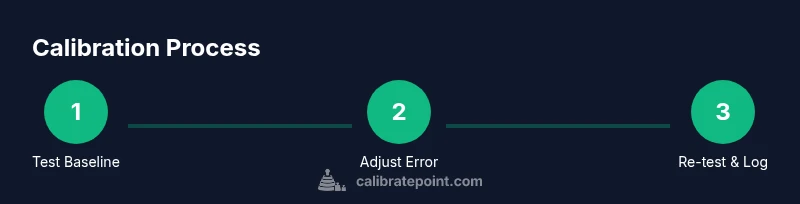
To calibrate an oven, verify its temperature with an oven thermometer and adjust the thermostat or calibration setting as needed. This guide covers essential tools, steps for non-digital and digital ovens, and safe practices. According to Calibrate Point, using a precise thermometer and logging each adjustment leads to reliable, repeatable baking results for home cooks and professionals alike.
Understanding oven temperature accuracy
Oven temperature accuracy is fundamental to predictable cooking outcomes. Most home ovens aren’t perfectly precise out of the box, and several factors can cause drift over time: aging thermostats, door seal wear, oven insulation, and even the placement of racks or pans. A recipe can rely on a setting of 350°F, but what you actually bake might be closer to 330°F or 370°F. In practice, this affects browning, rise, and texture. For bakers, precision matters just as much as timing. Calibrate Point's practical approach emphasizes measurement first: verify the true temperature before making adjustments, and maintain a consistent testing routine to catch drift. Understanding these dynamics helps you plan adjustments with confidence and reduces wasted ingredients. Additionally, note that convection and gas ovens may heat differently from standard electric ovens, so calibration decisions may vary by appliance type. By starting with a clear baseline, you set the stage for accurate, repeatable results.
Tools you'll need for calibration
Before you begin, assemble the basics. Essential tools include:
- Oven thermometer: a dedicated, oven-safe thermometer that reads up to at least 450°F (230°C). Place it in the center of the rack for representative readings.
- Optional digital thermometer: a separate probe to cross-check readings.
- The oven’s user manual: to locate any built-in calibration option or troubleshooting steps.
- Timer: to track preheat and test durations accurately.
- Pen and notebook: to record the actual temperatures, setpoints, and adjustments.
Optional helpers:
- Aluminum foil or a shallow pan: to shield foods during test runs.
- Calibration chart or app: for logging drift over time.
Safety notes:
- Ensure hands stay clear of hot surfaces.
- Do not bypass safety features or manipulate wiring or thermostat components beyond manufacturer guidance.
Step-by-step: calibrating a non-digital oven
If your oven uses a mechanical dial, calibration typically involves reading the true temperature, then adjusting the dial incrementally if the model supports it. Begin by confirming the oven is clean and level, then insert the oven thermometer in the center. Preheat to your target temperature and wait a full 20 minutes before taking a reading. If the reading is off by a noticeable margin, consult your user manual for the approved adjustment method. Make small changes and re-test. Repeat until readings align within a comfortable tolerance.
This process builds a reliable baseline, helps you reproduce results, and minimizes recipe drift. Remember to re-test after any adjustment and document the exact readings and dial positions. If your oven doesn’t offer a simple calibration option, you may need a professional service or external adjustments to the cooking environment, such as rack placement and bakeware sizing to optimize heat distribution.
Step-by-step: calibrating a digital oven
Digital ovens often include a calibration setting accessible through the control panel or maintenance menu. Start by verifying the temperature with a calibrated thermometer in the center of the rack. Preheat to the target temperature and compare the thermometer reading after the oven stabilizes. If there’s a mismatch, use the built-in calibration feature to adjust by small increments. Digital models may require a restart or firmware acknowledgment after saving changes. Re-test to confirm accuracy and adjust again if needed. If the calibration option isn’t intuitive, consult the manual or contact manufacturer support for guided steps. Keep a record of the exact target, readings, and adjustments for future reference.
Convection vs. conventional ovens: how it affects calibration
Convection ovens circulate hot air with a fan, which can cause faster heat transfer and different heat distribution compared to conventional ovens. When calibrating, account for this by testing at multiple rack positions (center and toward the front) and using the convection setting when specified. If your model supports convection calibration, perform a separate test series to establish a convection baseline. By doing so, you’ll avoid applying a single calibration value that only suits one mode and risk under- or over-baking in other configurations.
Common mistakes and troubleshooting
Common mistakes include relying on the oven’s built-in display without cross-checking with a thermometer, over-tightening adjustments, and assuming all racks heat evenly. Temperature drift can also result from a door seal leak, faulty thermostat wiring, or thermal lag in large or heavy bakeware. When you encounter inconsistent outcomes, remeasure using a test loaf or sheet pan with even spacing, and re-calibrate in small increments. If you notice persistent drift after multiple attempts, it may indicate a faulty thermostat or control board that requires professional service.
When to seek professional service
If the oven shows large or persistent temperature drift after careful calibration, or if you lack access to the calibration controls, seek professional service. A technician can diagnose thermostat drift, faulty sensors, or fan issues in convection models. Document your observations and the steps you’ve already taken, as this helps the technician identify the root cause quickly. Regular maintenance, including door seals and insulation checks, also supports sustained accuracy over time.
Maintaining calibration over time
Calibration isn’t a one-and-done task. Plan periodic rechecks, especially before high-stakes cooking applications like large gatherings or holiday baking. Re-test with a thermometer at least every few months or after major oven repairs. A simple calibration log helps you spot drift patterns and schedule future checks. As you keep records of readings and adjustments, you’ll build confidence in your oven’s performance and enjoy more consistent results.
Authoritative sources
For further reading on measurement standards and appliance accuracy, consider reputable sources such as government and educational institutions. Sample references include:
- https://www.nist.gov
- https://www.energy.gov
- https://www.consumer.ftc.gov
Tools & Materials
- Oven thermometer(Place in center of rack for representative readings; reads up to at least 450°F (230°C))
- Optional digital thermometer(Cross-checks readings; probe can stay inside while oven runs)
- Oven manual(Locate calibration instructions or troubleshooting steps)
- Timer(Accurate tracking of preheat and test durations)
- Notebook and pen(Record actual temps, setpoints, and adjustments)
- Test bakeware(Flat sheet pans help with even heat distribution during tests)
Steps
Estimated time: 60-90 minutes
- 1
Prepare and verify tools
Gather tools, ensure the oven is clean and cool, and locate the target temperature you want to test at. This baseline ensures subsequent measurements reflect the oven’s current behavior, not residual heat or debris. Mark the thermometer location for consistency in future tests.
Tip: Use a dedicated thermometer and document the rack position used for each test. - 2
Preheat and measure
Preheat the oven to the target temperature and allow it to stabilize for at least 10–15 minutes. Insert or place the oven thermometer in the center of the rack. Record the thermometer reading once the temperature stabilizes.
Tip: Use the center rack to minimize heat variation across shelves. - 3
Compare and decide on adjustment
Compare the thermometer reading to the set temperature. If there’s a difference, determine whether your oven model supports a calibration adjustment and note the direction and magnitude of the change needed.
Tip: Small adjustments are safer; avoid large jumps in a single step. - 4
Make the adjustment
For non-digital ovens with a calibration dial, follow the manual to adjust in small increments. For digital ovens, access the calibration setting in the control panel and save the new value. Do not bypass safety features.
Tip: If you’re unsure, consult the manual or manufacturer support before changing wiring or sensors. - 5
Re-test after adjustment
Allow the oven to re-stabilize, then repeat the preheat and measurement. Check that the new reading aligns with the target within a reasonable tolerance. If not, repeat the adjustment and test cycle.
Tip: Document the exact dial position or digital value after each test. - 6
Test at multiple positions
Test at multiple rack positions (center, top, bottom) if your oven has notable heat stratification. This ensures the calibration accounts for heat distribution across the oven cavity.
Tip: If you observe large differences, note them and adjust expectations for different recipes. - 7
Document results and plan maintenance
Record the final calibration reference, the readings, dates, and any notes. Create a maintenance plan to recheck calibration seasonally or after service work. Keep this log accessible for future reference.
Tip: Set a reminder to recheck every 3–6 months or after oven repairs.
Questions & Answers
Do all ovens require calibration?
Not every oven drifts, but many do over time. An accurate thermometer and a simple test can confirm if calibration is needed. If results are inconsistent, consider checking insulation and seals as well.
Many ovens drift over time, so testing with a thermometer is a good first step to confirm if calibration is needed.
What thermometer should I use?
Use an oven-safe thermometer that reads up to at least 450 degrees and place it in the center of the rack for a representative reading.
Choose an oven-safe thermometer that reads high enough and place it in the center of the rack.
How do I know if calibration is off by much?
If the actual temperature differs significantly from the set temperature across multiple tests, your oven may need calibration or service. Record the drift to help diagnose patterns.
If readings consistently differ from the set temperature, you likely have drift and should calibrate or seek service.
Can I calibrate a convection oven the same way as a standard oven?
Convection ovens heat differently due to the fan. Test with convection mode on and adjust if your model supports it. Compare readings at multiple rack positions to ensure accurate convection heating.
Convection requires separate testing; use convection mode and test at different rack positions.
What if my oven has no calibration option?
If there’s no built‑in calibration, rely on a thermometer test and adjust recipes or cooking times accordingly, or consult a professional for thermostat assessment.
If there’s no calibration option, use thermometer tests and adapt cooking times, or seek professional help.
Key Takeaways
- Verify temperature with a thermometer before adjusting.
- Test in multiple rack positions to assess heat distribution.
- Make small, reversible adjustments and re-test.
- Document every test and adjustment for future reference.
- Consider professional service if drift remains after adjustments.