Who Can Calibrate My Oven: A Practical Calibration Guide
Learn who can calibrate an oven, when calibration is needed, and step-by-step methods to verify and adjust bake temperatures safely. A Calibrate Point guide for DIY enthusiasts and technicians.


To calibrate an oven, you typically engage a licensed appliance technician, a certified appliance service professional, or a trained HVAC technician. DIY enthusiasts can perform basic checks with a calibrated oven thermometer and follow model-specific instructions. This guide provides safe, practical steps for both homeowners and professionals to achieve accurate baking temperatures.
Understanding Oven Calibration
To answer who can calibrate my oven, start with the basics: calibration means aligning the oven's thermostat with the actual cavity temperature. Ovens drift due to sensor aging, door seal wear, and even routine cleaning. When the thermostat runs hot or cold relative to the real temperature, your recipes will taste different or fail to bake as expected. According to Calibrate Point, oven performance varies across brands and models, and drift can occur even in newer units. The Calibrate Point team found that accurate bake temperatures are essential for repeatable results in both professional kitchens and home workshops. In this article we explore what calibration involves, who is qualified, and practical steps to verify accuracy, whether you hire a pro or perform safe DIY checks.
Who Should Calibrate Your Oven
Choosing who calibrates your oven depends on safety, tool access, and desired precision. For most households, a licensed appliance technician or a certified service professional offers the fastest path to a reliable result and a diagnostic report. DIY calibration is feasible for those with basic electrical or gas appliance experience, a calibrated thermometer, and strict adherence to the manufacturer’s instructions. The Calibrate Point team emphasizes that while self-checks can identify obvious temperature drift, only trained professionals should adjust critical components in gas ovens or sealed control modules. In short, you can decide between do-it-yourself verification and professional calibration based on risk, model complexity, and confidence in handling electrical or gas systems.
When Calibration Becomes Necessary
Calibration usually becomes necessary when you notice consistent cooking inconsistencies: meals browning unevenly, preheat times extending unexpectedly, or recipes yielding unexpected results across racks. If your oven’s displayed temperature differs from measured internal temperatures by more than your comfort threshold, calibration is warranted. Other triggers include after replacing gaskets or sensors, after moving the appliance, or when the manufacturer releases a service bulletin about drift. Remember that even small deviations can affect time-temperature profiles significantly, especially for delicate pastries and precise meats. The Calibrate Point guidance supports evaluating drift with objective measurements before attempting any adjustments.
Tools and Techniques Used
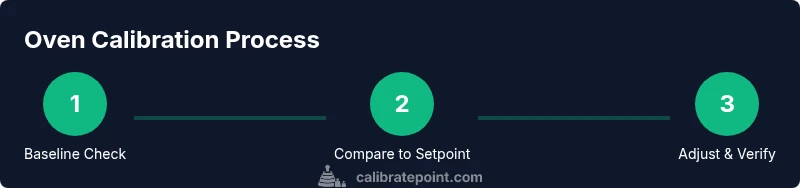
Modern calibration relies on a few core tools and methods. A calibrated oven thermometer or a high-quality probe thermometer provides the reference temperature. A digital thermometer connected with a long probe helps test multiple rack positions. Some technicians use dedicated temperature dosimeters during run tests to capture heat distribution. The process typically involves baseline preheat, test temperatures at standard setpoints (e.g., 350°F/175°C), and comparison against the reference. Advanced technicians may test electrical components with a multimeter and verify sensor resistance ranges. Always refer to the oven’s service manual for model-specific procedures, torque specs, and safety warnings. The right mix of tools reduces guesswork and increases repeatability.
Safety Essentials and Setup
Safety is non-negotiable when calibrating an oven. Disconnect power before servicing control panels and avoid touching exposed wires. If you smell gas or hear a hissing sound, exit immediately and contact a licensed gas technician. For electric ovens, ensure the circuit breaker is off if you’ll access the back panel. Use heat-resistant gloves when handling hot racks, and never bypass safety interlocks or remove insulation on live units. Clear the area of combustibles and keep children and pets away during testing. Document any deviations discovered during testing and restore the appliance to its original configuration after testing.
DIY Calibration: When It’s Appropriate
DIY calibration is appropriate for non-gas electric ovens with uncomplicated control panels and clear manufacturer guidelines. Start with a trusted reference thermometer and perform controlled preheats. Record the measured temperatures at multiple rack levels and compare them to the oven’s setpoints. If drift is modest and within your tolerance, you may document the drift and consider periodic monitoring instead of full-scale adjustment. If adjustments are allowed by your model, proceed with caution, using the manufacturer’s procedure and locking any calibration screws only after verifying with a reference thermometer. The key is patience, repeatability, and an accurate log of results.
The Professional Route: What to Expect
Professional calibration services begin with a diagnostic check to determine whether the issue lies with the thermostat, sensor, control board, or door seal. Technicians will typically verify the oven’s temperature at several setpoints and evaluate heat distribution across racks. If adjustments are permitted by the model, they will perform calibrated adjustments and re-test. In many cases, parts such as temperature sensors or control boards are replaced to restore accuracy. Expect a detailed report summarizing drift, adjustments made, and recommended maintenance intervals. A professional calibration offers long-term confidence and may include a certification of accuracy for commercial kitchens.
Common Pitfalls and Troubleshooting
Common pitfalls include relying on oven dial readings instead of a calibrated thermometer, assuming temperature accuracy is uniform across all racks, and neglecting door seal wear, which can mimic calibration drift. In gas ovens, incorrect flame height or venting can skew perceived temperature. Always re-test after any adjustment and verify at multiple rack levels. If the oven still underperforms after adjustments, it’s often more cost-effective to replace aging sensors or the unit, rather than chasing minor drift. Finally, maintain a calibration log for trend analysis over time.
Post-Calibration Maintenance and Documentation
After calibration, create a maintenance plan: note model, firmware or part numbers, calibration date, setpoints, and test results. Schedule annual or semi-annual verifications depending on usage and environmental conditions. Store your log with the appliance manual and service reports for quick reference during future repairs. For professional kitchens, align calibration intervals with health and safety audits. The Calibrate Point approach emphasizes documentation as the best defense against drift and a reliable baseline for future adjustments.
Tools & Materials
- Calibrated oven thermometer(Accuracy within ±1°F (±0.5°C) preferred; place center of oven for baseline readings.)
- Owner's manual for oven model(Model-specific calibration procedures; note screw/adjustment locations.)
- Digital probe thermometer (long probe)(Test temperatures at multiple rack levels.)
- Screwdriver set (Phillips/flathead)(Access control panels if recommended by manufacturer.)
- Multimeter (optional)(Verify sensor circuits or oven electronics when indicated by model.)
- Notebook or calibration log(Record baseline, test results, adjustments, and dates.)
- Timer(Coordinate preheat and hold times during tests.)
- Oven mitts / heat-resistant gloves(Protect hands during test and adjustment steps.)
Steps
Estimated time: 60-90 minutes
- 1
Prepare safety and model readiness
Power off the oven and unplug if accessible. Read the manual’s safety and calibration sections before touching any components. Confirm model-specific steps and warnings to avoid damaging sensors or voiding warranties.
Tip: Double-check that you’re working with the correct model guidelines before starting. - 2
Gather reference tools and materials
Assemble a calibrated thermometer, a long-probe digital thermometer, a timer, and a logbook. Ensure all tools are at hand to minimize interruptions during testing.
Tip: Pre-place tools near the oven to reduce heat exposure time while performing tests. - 3
Baseline preheat test at setpoint
Set the oven to a standard temperature (e.g., 350°F/175°C) and preheat for the manufacturer-recommended time. Insert the reference thermometer in the center rack once the preheat period ends and record the reading.
Tip: Take readings at multiple heights to assess distribution, not just the center. - 4
Compare measured vs. setpoint
Compare the thermometer reading to the setpoint. Note any consistent offset across tests. If the offset is small and within tolerance, formal adjustments may not be required.
Tip: Use a consistent testing window to avoid weather-related temperature fluctuations. - 5
Adjust thermostat or seek model-specific guidance
If adjustments are allowed by the manufacturer, carefully make the prescribed change and re-test. If the model doesn’t support DIY adjustments, document drift and plan for professional calibration.
Tip: Never force adjustments beyond the manufacturer’s guidelines. - 6
Re-test at multiple rack levels
Run additional tests at upper and lower racks to ensure uniform heat distribution after adjustment. Record any remaining variances.
Tip: Uneven heat may indicate door seal or venting issues rather than thermostat drift. - 7
Document results and reset
Log the final setpoint, measured temps, and any adjustments. Restore any protective covers and power the oven back to normal operation. Schedule follow-up checks if needed.
Tip: Keep the calibration log with the appliance manual for future reference.
Questions & Answers
Can I calibrate my oven myself?
Yes, some ovens allow user calibration with guidance from the manufacturer. For gas ovens or complex controls, professional calibration is safer and often required by warranty. Always consult the manual and follow safety precautions.
Yes, if your oven model supports DIY calibration and you follow the manual carefully. For gas ovens, consider a professional for safety and warranty reasons.
What are common signs of an oven drift?
Common signs include uneven browning, a difference between the displayed temperature and the actual internal temperature, and longer or shorter preheat times than usual. If you notice consistent drift across multiple tests or recipes, calibration is warranted.
Look for uneven cooking, unexpected color changes, or mismatches between the thermostat reading and actual temperature.
Is calibration safe for electric ovens?
Electric ovens are generally safe to calibrate with proper precautions and adherence to the manual. Always disconnect power before interior work and use insulated tools. If unsure, hire a technician.
Electric ovens can be calibrated safely if you follow the manual and take standard electrical safety steps.
How often should I calibrate my oven?
Frequency depends on usage, how often you cook at high temperatures, and performance changes. Start with a baseline check if you notice drift, then schedule optional annual or semi-annual verifications for high-demand kitchens.
Calibrate as needed based on performance; in busy kitchens, consider yearly checks.
Will calibrating my oven save energy?
Calibration can improve cooking efficiency by reducing temperature offsets, but the energy savings are usually modest. The main benefit is consistency and accuracy for recipes.
You may see small energy benefits from improved accuracy, but the main value is consistent results.
Can a damaged door seal affect calibration?
Yes. A worn or damaged door seal can cause heat loss, making the oven seem colder than it is and mimic calibration drift. Check seals during any calibration attempt.
A bad door seal can fool you into thinking the thermostat is off, so inspect for leaks.
Watch Video
Key Takeaways
- Verify with a calibrated thermometer before adjusting.
- Follow manufacturer guidelines strictly; avoid over-tuning.
- Test multiple rack levels for even heat distribution.
- Document results for future reference and maintenance.
- Consider professional calibration for complex or gas ovens.