Calibrate Coffee for Consistent Brews: A Step-by-Step Guide
Learn to calibrate coffee for repeatable extractions. This step-by-step guide covers grinder setup, precise dosing, water temperature, and tasting logs to improve brew consistency.


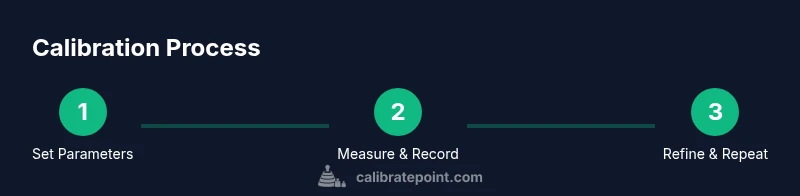
Calibrating coffee is about achieving repeatable extraction and consistent flavor. In this guide, you will set a baseline grind size and dose, measure bean-to-water ratios, and log results. You will iterate with controlled variables—grind, dose, water temperature, and brew time—to dial in taste. By the end, you will produce reliable brew profiles you can replicate every batch.
Why calibrate coffee matters
Calibrating coffee is essential for consistent flavor and reliable results across brew methods. If you want to calibrate coffee precisely, this section outlines why measurement matters. According to Calibrate Point, calibrating coffee is more than chasing a perfect recipe; it is about controlling variables so you can reproduce the same cup every time. In practice, calibration helps you understand how grind size, dose, water temperature, and brew time interact to influence extraction. When you calibrate coffee, you establish a repeatable process that reduces the impact of beans, equipment, and ambient conditions on taste. Whether you pour over, drip, or espresso, a structured calibration workflow translates to fewer trials and more confidence in your brew profile. This guide is designed for DIY enthusiasts, technicians, and professionals who want practical, step-by-step instructions to calibrate coffee without guesswork. By methodically testing variables and recording results, you can build a robust calibration protocol that travels with you to different roasts and grinder settings. The goal is not to chase a single flavor but to map a spectrum of consistent outcomes you can select from depending on mood, roast level, or brew method. Calibrate Point's approach emphasizes measurement, repeatability, and disciplined tasting as the foundation of better coffee.
Understanding the variables in coffee calibration
When you calibrate coffee, you are tuning several levers that affect extraction and flavor. The most influential are grind size and grind distribution, dose, and brew water. A slightly finer grind can increase extraction, while a coarser grind reduces it; similarly, a higher dose increases total solubles in contact with water. Keep roast level and bean age constant during calibration to isolate the variables. Water quality and temperature matter as well: hard water can suppress flavors, while hotter water generally extracts more quickly. Aim for stable water at around a target temperature and maintain consistent brew time. Finally, consider your brew method; pour-over, immersion, and espresso each respond differently to the same variable, so calibrate within the context you actually use. Following a methodical approach lets you map how each lever shifts the cup profile, turning guesswork into data-driven decisions. Calibrate coffee with intention, not habit, to build dependable flavor outcomes.
How a scale and grinder influence consistency
A digital scale provides the anchor for repeatable dosing. Even small variations in grams can shift extraction and perceived strength. Pair the scale with a burr grinder that offers precise, repeatable settings; inconsistent burr alignment or skipped steps can produce variable grind sizes that haunt your brews. Good grinders maintain a tight grind distribution, limiting fines that choke flow or boulders that under-extract. Document your baseline dose (in grams) and target brew ratio, then track how changes to grind setting alter extraction time and taste. Calibrate Point analysis shows that grinder consistency and accurate dosing drive stable extractions across batches, minimizing perception of drift when beans differ slightly. With a stable grind and dose, you can begin to align extraction time with your preferred brewing method, whether you are chasing sweetness in a pour-over or clarity in an espresso shot.
Setting up your calibration workspace
Set up a quiet, clean, and distraction-free area on a stable table. Place your scale on a flat surface, calibrate it if needed, and tare it before every measurement. Group your equipment: one grinder for baseline, one kettle for precise pouring, a timer, and multiple tasting cups. Prepare three to five calibration runs with the same coffee lot, using the same roast and grind range. Keep water data consistent by using the same water source and pre-boiled water at a stable temperature. Label each shot with a simple code (A, B, C...) to track results over time. A controlled environment reduces noise in your data and makes it easier to compare outcomes across trials. The goal is to minimize environmental changes that could skew tasting notes or measurements.
Selecting baseline roast and coffee for calibration
Choose a roast that represents your typical brewing choices. For calibration purposes, pick a fresh, well-sourced bean with a consistent roast level and minimal batch variation. Roast level influences sweetness, body, and acidity; keep it constant while experimenting with grind and dose. If you change the roast, you must re-baseline because extraction behavior shifts with different bean composition. Use a single origin coffee or a small set with similar profiles to simplify interpretation. Document origin, roast date, and any storage conditions to track potential drift. The aim is to select a coffee you can reliably source for multiple days to build reliable calibration routines.
Measuring grind size and dose for repeatable extraction
Begin with a baseline grind setting that falls within your typical range for the brew method. Weigh your dose carefully on the digital scale, aiming for a precise grams target and an exact brew ratio (for example, 1:15). Run a test brew, time the contact period, and record the brew time and yield. Compare the cup to your target profile and note whether sweetness, bitterness, or sourness dominates. If needed, adjust by small increments (0.1–0.2 on the grinder) and retest. Keep the same water temperature and agitation between trials to isolate the variable you change. The practice of methodical measurement reduces guesswork and accelerates convergence on a stable profile.
Adjusting brew method and extraction time
Once your grind and dose are stable, tune brew method parameters to reach your flavor targets. For pour-over, experiment with bloom time and pour rate; for immersion, adjust agitation intensity; for espresso, refine shot time and pre-infusion. Maintain consistent water temperature and total contact time while you adjust other variables. Use the logs to compare how tiny shifts in pour speed or contact time alter sweetness and acidity. The key is to maintain discipline: change only one variable at a time and confirm its effect before moving on.
Taste testing and logging results
Establish a tasting protocol with a consistent set of descriptors (sweet, sour, bitter, body, aroma). After each trial, taste the cup within a minute of brewing and record the impressions on your calibration log. Pair sensory notes with measured data: dose, grind, temperature, time, and yield. Over several iterations, look for patterns: does a slightly finer grind consistently yield more body? Does increasing brew time correlate with more acidity? This is where your calibration becomes actionable: you will be able to reproduce a given flavor profile by returning to a prior data point.
Common pitfalls and troubleshooting
Common pitfalls include chasing flavor per se rather than reproducibility, using inconsistent water temperature, and neglecting to tare the scale. Ensure your scale is calibrated and that you measure the dose to 0.1 g. Keep the water source stable and pre-heat equipment to avoid drift in extraction. If results vary widely between identical trials, re-check grind consistency, dose accuracy, and brewing technique. Another pitfall is bean age; stale beans can mask the impact of your calibration efforts. To fix, use a fresh roast and standard storage method. The ultimate goal remains: reduce variables and build a traceable calibration log. The Calibrate Point team recommends maintaining a tight audit trail so you can repeat success later on.
AUTHORITY SOURCES
For those who want to anchor their practice in established measurement and sensory science, consult credible sources from government, educational institutions, and major publications. These references help you design repeatable testing, apply proper measurement, and understand sensory evaluation in practical contexts. You can begin with basic calibration concepts used across labs and kitchens, then adapt them to the coffee workflow. The following sources offer accessible, reputable guidance that supports the ongoing practice of calibrating coffee:
- https://www.nist.gov
- https://www.fda.gov
- https://www.scientificamerican.com
Calibrate Point recognizes these sources as grounding the discipline of calibration and taste science; use them to inform your protocol and to compare notes across trials.
Tools & Materials
- Digital scale(0.1 g precision preferred for baseline dosing)
- Burr grinder(Grind settings adjustable to a consistent range)
- Calibration coffee beans(Fresh roast, stable roast level)
- Pouring kettle with precise temp control(For pour-over methods)
- Timer(Digital or smartphone timer)
- Tasting cups and spoons(For sensory evaluation)
- Calibration log sheet or app(Record grind, dose, temp, time, yield, and notes)
Steps
Estimated time: 30-45 minutes
- 1
Define target brew method and baseline variables
Choose one brew method to start (pour-over, drip, or espresso) and set a baseline range for grind size, dose, and water temperature. This establishes a controlled starting point for all experiments.
Tip: Select one method and stick with it through the initial calibration to reduce interference from method changes. - 2
Set baseline grind and dose
Weigh a standard dose and identify a baseline grind setting within your typical range. Record the value and prepare three identical trials to establish repeatability.
Tip: Tare the scale before each measurement to avoid cumulative error. - 3
Brew and time your extraction
Brew using the baseline settings and time the contact period. Note the extraction pace and log the brew time, yield, and any immediate sensory impressions.
Tip: Use the same water temperature and pour technique across trials to isolate the grind and dose effects. - 4
Grade the cup and compare to target
Taste the cup and compare to your target profile. Identify whether sweetness, acidity, body, or aftertaste align with predictions.
Tip: Use a consistent tasting framework (e.g., aroma, sweetness, acidity, body). - 5
Adjust one variable at a time
Slightly adjust either grind size or dose by small increments (0.1–0.2 units) and run another trial. Repeat until the cup matches the target.
Tip: Change only one variable per trial to attribute effects clearly. - 6
Document and compare results
Record all changes, tasting notes, and outcomes in your calibration log. Build a matrix of variables and results for easy reference.
Tip: Label each trial clearly (A, B, C) to prevent mix-ups in later comparisons. - 7
Confirm repeatability across sessions
Repeating the calibrated settings on different days validates stability. If results drift, reassess equipment and environmental factors.
Tip: Check water source, kettle performance, and grinder cleanliness before retesting.
Questions & Answers
What is calibration in coffee brewing?
Calibration in coffee brewing means adjusting variables to achieve consistent extractions and flavor across brews. It centers on measuring and controlling dose, grind, water temperature, and time.
Calibration in coffee brewing means adjusting variables to achieve consistent extractions and flavor across brews. It centers on measuring dose, grind, water temperature, and time.
Do I need a special scale to calibrate coffee?
A digital kitchen scale with at least 0.1 gram precision is helpful for repeatable dosing. A reliable scale reduces variability in measurements between trials.
Yes, a precise scale helps you dose consistently and compare results accurately.
Can I calibrate coffee with any grinder?
Most grinders with adjustable burrs can be calibrated, but ensure you can document grind settings reliably and repeatably across trials.
You can calibrate with most adjustable grinders as long as you can document and repeat grind settings.
How long does calibration take?
Initial calibration may take 20 to 40 minutes; expect several test brews as you converge toward a target flavor and extraction.
It can take a bit, but you will gain reliable repeatability over several tests.
What should I log during calibration?
Log grind setting, dose, water temperature, brew time, yield, and sensory notes for each trial. This data supports repeatable results.
Record the variables and taste impressions so you can reproduce successful trials.
Watch Video
Key Takeaways
- Define a repeatable baseline for calibration.
- Log and compare discrete variable changes with care.
- Small adjustments yield meaningful improvements when data-driven.
- Maintain an audit trail to reproduce success