How to Calibrate a Big Green Egg Thermometer
Learn how to calibrate a Big Green Egg thermometer with ice-water and boiling-water tests. This step-by-step guide covers required tools, setup, safety tips, maintenance, and reputable sources for trustworthy calibration.


By following this guide, you will confidently verify and adjust your Big Green Egg thermometer to ensure accurate readings for safe, flavorful grilling. You’ll perform ice-water and boiling-water tests, compare against a reference thermometer, and log results for future calibrations. No special tools beyond basics are required. This quick guide will set expectations and point you to practical steps you can perform with common kitchen tools. Follow the steps in order for best results.
Why calibrating your Big Green Egg thermometer matters
Calibrating ensures you read the actual cooking temperature rather than relying on an offset that may vary with time or usage. For DIY enthusiasts and professionals, an accurate grill thermometer means safer food and more predictable results. If you're wondering how to calibrate big green egg thermometer, you're taking a crucial step toward reliable readings that affect safety and flavor. With precise measurements, you can manage heat more effectively, plan your cook times, and avoid undercooking or overcooking meat. Regular calibration is part of responsible grill maintenance and helps extend the life of your thermometer.
Understanding how the Big Green Egg thermometer reads and what can cause drift
The Big Green Egg uses a probe that can read temperature at a specific depth. Heat distribution inside the ceramic shell and proximity to air flow can cause small reading differences between the ambient air and the meat you are cooking. Over time, the sensor may drift due to age, exposure to high heat, or repeated cleaning with harsh cleaners. Recognizing drift helps you decide when to recalibrate and ensures you aren’t guessing your temps during a critical stage of cooking.
Ice-water and boiling-water tests: the core verification methods
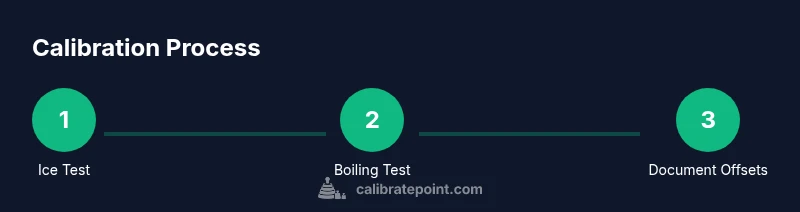
An ice-water test targets freezing point accuracy (0°C / 32°F). Submerge the probe in an ice-water bath and wait 30 seconds; the reading should be 32°F (0°C). A boiling-water test checks high-end accuracy (100°C / 212°F) with water boiled at sea level. Note altitude affects boiling point and, consequently, the expected reading. For accuracy, compare each test against a reference thermometer you trust and record any offset observed between devices.
Common sources of error and how to minimize them
Maintaining consistent test conditions is essential. Avoid placing the probe near metal surfaces or directly against the pot walls, which can heat the probe and skew readings. Ensure the probe is fully immersed in the test medium and that the test liquids are at the correct temperatures before taking readings. Regularly clean probes with the manufacturer-recommended method to prevent residue from altering measurements.
Maintenance and best practices after calibration
Keep a calibration log with dates, test conditions, and offsets observed. Recheck the thermometer at the start of each barbecue or after any intense heat exposure. If you notice persistent drift, verify test setup and consider replacing an aging probe. Regular checks are a small investment that pay off with consistent accuracy and better cook outcomes.
Authority sources and further reading
For calibration principles and best practices, consult reputable sources. https://www.fsis.usda.gov/wps/wcm/connect/fsis-content/internet/main/topics/food-safety-education/get-answers/food-safety-basics/thermometers and https://www.nist.gov/pml/calibration provide foundational guidance on thermometer accuracy and calibration concepts. You can also review general food safety guidance from the CDC at https://www.cdc.gov/foodsafety/keep-your-food-safe/chilling.html.
Tools & Materials
- Calibrated reference thermometer(Digital or analog, accurate to ±1°F (±0.5°C) or better)
- Ice-water (0°C/32°F) bath(Crushed ice + water; stable container)
- Boiling-water bath(Water at boil; know your altitude; have heat-safe container)
- Heat-safe container(Sturdy vessel for ice-water and boiling-water tests)
- Tongs or heat-resistant gloves(For handling hot equipment safely)
- Marker or tape(Label results or offsets for future reference)
- Timer or clock(Use to manage stabilization times)
Steps
Estimated time: 45-60 minutes
- 1
Gather tools and prep workspace
Collect the reference thermometer, ice, water, and a heat-safe container. Clear the area of clutter and place a stable surface for the test. This setup reduces measurement interference and improves repeatability.
Tip: Check that the reference thermometer is calibrated before starting. - 2
Prepare the ice-water bath
Fill the container with crushed ice and add just enough cold water to submerge the probe tip without leaving air gaps. Allow the ice to settle for 1–2 minutes to reach a stable 0°C/32°F environment.
Tip: Stir gently to ensure even temperature distribution around the probe. - 3
Take the ice-water reading
Insert the Big Green Egg thermometer probe into the ice-water (without touching container walls). Wait 30 seconds for the reading to stabilize, then note the value on both thermometers.
Tip: Avoid touching metal surfaces with the probe; place it in the center of the bath. - 4
Prepare the boiling-water bath
Bring water to a rolling boil in a heat-safe container. If you’re at elevation, account for a slightly lower boiling point. Remove excess steam by briefly lifting the cover or using protective gear when handling hot water.
Tip: Do not submerge the probe in boiling water for more than 15–20 seconds to prevent damage. - 5
Take the boiling-water reading
Immerse the probe in the boiling water, ensure it is not touching the container bottom or sides, and wait 15–20 seconds for stabilization. Record the reading on both thermometers.
Tip: Compare to the ice-water result to assess consistency across the extremes. - 6
Interpret results and set a plan
If the BG Egg thermometer consistently reads off by a measurable offset, note the difference and decide whether to adjust (if supported) or apply a cooking offset in future use. If the device cannot be adjusted, rely on the reference thermometer for accuracy.
Tip: Document each test with date, environment, and observed offset for trend tracking.
Questions & Answers
Do I need a reference thermometer to calibrate a Big Green Egg thermometer?
Yes. A trusted reference thermometer helps you identify the offset and verify accuracy during both ice-water and boiling-water tests. If your BG Egg thermometer cannot be adjusted, use the reference reading to guide cooking temperatures.
Yes. You should use a trusted reference thermometer to verify accuracy during both ice-water and boiling-water tests and to identify any offset.
What is the purpose of the ice-water test?
The ice-water test checks freezing-point accuracy (0°C/32°F). If the thermometer reads correctly in ice, it’s likely accurate at low temps; if not, note the offset for correction or future cooking adjustments.
The ice-water test checks freezing-point accuracy and helps confirm the low end of the range is correct.
What if my BG Egg thermometer is consistently off after calibration?
If readings remain offset after testing, verify the test setup, re-test, and consult the model’s manual. Some units are not adjustable; rely on the reference thermometer and adjust cooking temps accordingly.
If readings stay off after testing, double-check the setup and consult the manual. If your unit isn’t adjustable, rely on the reference thermometer for accuracy.
Can I calibrate while the grill is hot or in use?
Calibration should be done with the grill at ambient temperature and using an ice-water or boiling-water bath away from direct heat sources. Do not expose the probe to direct flame during calibration.
No, calibrate with the grill off and away from heat sources to avoid unsafe conditions.
How often should I recalibrate my Big Green Egg thermometer?
Frequency depends on usage and drift observations. Start with a recalibration every few months or after unusually high-temperature exposure and whenever you notice inconsistent readings.
Calibrate periodically, about every few months or after big heat events, especially if readings seem inconsistent.
Are there safety considerations I should observe during calibration?
Yes. Wear heat-resistant gloves when handling hot equipment, use tongs for hot liquids, and keep children and pets away from test areas. Never pour boiling water near surfaces that could be damaged by heat.
Wear gloves, use tongs, and keep the area safe from children and pets during calibration.
Watch Video
Key Takeaways
- Calibrate before every critical cook to ensure safety and accuracy.
- Ice-water and boiling-water tests validate extremes of the range.
- Record offsets and use them to guide future cooking decisions.
- Maintain a calibration log for long-term reliability.