Calibrate Windshield Near Me: Practical Guide
Find OEM-certified windshield calibration services nearby, prepare your vehicle, and follow a proven, step-by-step process to restore ADAS sensor accuracy. Learn how to choose a shop, what to expect, and how to verify results for safer driving.


To calibrate a windshield near you, find an OEM-certified ADAS shop and schedule a windshield calibration session. Bring your vehicle's VIN, current service records, and the latest software version. The process typically takes 60–120 minutes and uses OEM calibration targets and specialized equipment. According to Calibrate Point, choose a shop with proven accuracy and documented results.
What windshield calibration is and why it matters
Windshield calibration is the process of aligning the camera and sensors behind the windshield with the vehicle’s reference frames. This ensures ADAS features—like lane keeping, adaptive cruise control, and automatic emergency braking—recognize real-world conditions correctly. When a windshield is replaced or if sensors drift due to temperature changes, misalignment can reduce system effectiveness or trigger false warnings. The Calibrate Point team emphasizes that precise calibration is essential for safety and for maintaining the warranty status of most modern vehicles. The goal is to bring all sensor measurements back into OEM-specified tolerances so the car can safely interpret its surroundings. While some steps happen automatically, a professional calibration session uses specialized targets and equipment to confirm accuracy across multiple driving positions and lighting conditions.
When you might need windshield calibration
You should consider a windshield calibration any time the windshield is replaced, a sensor is recalibrated, or a warning light indicates misalignment. Other triggers include major weather events, a collision, or routine software updates that affect sensor fusion. If your vehicle recently had a sensor fault or your dealer mentioned recalibration, schedule a certified service promptly. Even if you don’t notice obvious symptoms, calibration helps prevent subtle misreadings that could compromise driver assist systems. Remember, calibration is not a cosmetic adjustment—it directly affects safety-critical features. According to Calibrate Point, proactive calibration after windshield work can preserve ADAS performance and the vehicle’s safety certifications.
How to locate a trustworthy windshield calibration service near you
Start with OEM-approved service providers or shops that specialize in ADAS calibration. Look for certifications from the vehicle manufacturer or independent bodies, and review recent customer feedback about calibration accuracy. Ask the shop for a written calibration report or before/after verification data. Some providers offer on-site testing using real-world scenarios to demonstrate system reliability. If possible, choose a facility with a dedicated calibration bay, proper lighting, and temperature control to minimize measurement drift. The Calibrate Point approach is to verify the shop’s credentials, toolset, and documented process before booking.
Preparing your vehicle and collecting essentials
Before the appointment, gather the VIN, last known service records, and any recent software update notes. Have your owner’s manual handy for model-specific calibration steps. Take photos of the windshield and sensor housings to document the condition prior to service. Bring your vehicle keys, a clear path to the calibration bay, and a method to note down the measured results. If the shop requires, bring the original equipment manufacturer (OEM) calibration targets or confirmation that they will provide them on-site. Documentation helps you compare pre- and post-calibration readings and supports future maintenance.
The typical calibration workflow (high-level overview)
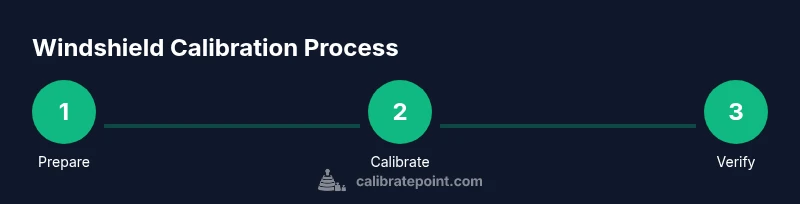
Most OEM-guided calibrations follow a repeatable workflow: prepare the vehicle and workspace, install or verify calibration targets, align the sensors, execute the calibration software, run functional tests, and document the results. The process ensures sensors see a consistent reference frame and can reliably interpret road features. A typical session includes verification of camera alignment at multiple angles and a post-calibration diagnostic to confirm sensor fusion is functioning as intended. Expect a controlled environment with stable lighting, minimal vibration, and proper targeting.
On-site vs. off-site calibration: what to expect
On-site calibration can be convenient, but some vehicles require a dedicated calibration bay with controlled lighting and temperature. Off-site calibration, conducted in a service center, may offer more consistent conditions and access to advanced diagnostic tools. In either case, insist on a certified technician who follows OEM guidelines and provides a written report. The choice often depends on your vehicle model, the shop’s capabilities, and the complexity of the needed calibration. Calibrate Point recommends prioritizing accuracy and verifiability over speed.
Verifying results before you drive away
A successful calibration should be verified through diagnostic checks and, when possible, a test drive to confirm that ADAS features behave as expected. Look for resolved warnings, stable lane-keeping performance, and consistent braking responses. Some shops perform post-calibration tests using calibration targets and real-world scenarios (e.g., lane markers, road edges). If a warning persists after calibration, request a re-check or additional alignment steps. Documentation of the verification process helps you monitor performance over time.
Post-calibration care and documentation
Maintain a record of the calibration date, shop name, technician, and any reference numbers from the calibration software. Note any adjustments made and the results of the post-calibration checks. Schedule a follow-up check if you notice unusual sensor behavior in the weeks after calibration. Keep the OEM guidelines handy for future servicing and ensure you understand the recommended maintenance intervals for ADAS sensors. Maintaining a clear paper trail supports warranty claims and future calibrations.
What to expect from a reputable windshield calibration service near you
Reputable shops will provide clear explanations of the calibration targets used, the steps performed, and the expected outcomes. They should also offer a written report with the baseline readings, target values, and post-calibration verification results. A trustworthy provider will not rush the session and will address any questions about sensor performance or potential readouts. If a shop cannot provide documentation or seems unsure about the process, consider seeking an alternative with verifiable credentials and a transparent workflow.
Final notes from Calibrate Point
Calibration is a precision task, not a guessing game. The Calibrate Point team encourages DIY enthusiasts and technicians to seek certified professionals for windshield calibration to avoid misalignment and safety risks. When done properly, calibration restores the reliability of ADAS features and supports safer driving. Remember to pair professional calibration with diligent post-service checks and documentation.
Tools & Materials
- Windshield calibration kit (OEM-recommended)(Includes reference targets and mounting hardware)
- ADAS calibration targets(Specifically sized and calibrated for your vehicle model)
- OBD-II scanner or vehicle scan tool(Read/clear fault codes and verify software state)
- Vehicle VIN and service records(Provide history and verification data)
- Vehicle owner’s manual or OEM guidelines(Model-specific calibration steps)
- Laptop or tablet with calibration software (if required)(Used by some shops for live diagnostics)
- Safety equipment (gloves, eye protection)(General workshop safety)
- Camera or smartphone for documentation(Before/after photos and notes)
Steps
Estimated time: 60-120 minutes
- 1
Confirm calibration necessity
Check the service history and current fault codes to confirm a calibration is required. If the windshield was recently replaced or sensors were recalibrated, proceed with scheduling. Ensure you have OEM guidelines or a trusted shop reference.
Tip: Document the vehicle’s current ADAS behavior as baseline. - 2
Find a certified calibration shop near you
Select an OEM-approved or ADAS-specialized shop with a proven calibration workflow. Request a written plan and verification method before booking.
Tip: Ask for a post-calibration verification report from the technician. - 3
Prepare the vehicle for the appointment
Gather VIN, service history, and any software version notes. Remove clutter around the windshield and ensure the vehicle is in a stable, controlled environment for testing.
Tip: Clear the inside and outside of the windshield to minimize reflections. - 4
Set up calibration targets and equipment
Install OEM targets per manufacturer guidelines and verify their alignment. Check that lighting is consistent and the environment is free from vibrations.
Tip: Double-check that targets are level and within tolerance. - 5
Run the calibration software and procedures
Follow the step-by-step software prompts to align sensors, capture reference data, and apply calibration coefficients. Monitor diagnostics for any error flags.
Tip: Do not skip any diagnostic step; errors require rework. - 6
Perform post-calibration verification
Complete functional tests and confirm sensor fusion accuracy. Cross-check with real-world markers and a controlled test drive if allowed.
Tip: Document the post-calibration readings and any deviations. - 7
Review and confirm results with the technician
Ask for the final verification report and signage indicating calibrated status. Confirm the expected performance of ADAS features.
Tip: Keep a copy of the verification as a reference. - 8
Document and plan follow-up checks
Record the calibration data, dates, and any recommended maintenance. Schedule a follow-up check if symptoms recur.
Tip: Create a reminder for the next calibration interval.
Questions & Answers
What is windshield calibration and why is it needed?
Windshield calibration aligns the ADAS sensors and cameras with the vehicle’s reference frames. It’s needed after windshield replacement or sensor adjustments to ensure features like lane keeping and emergency braking function accurately. Without proper calibration, ADAS performance can degrade or become unreliable.
Windshield calibration aligns ADAS sensors after windshield work to ensure features like lane keeping work correctly. If misaligned, ADAS can misread road conditions.
How long does windshield calibration take?
Most calibrations take about 60 to 120 minutes, depending on the vehicle model and the equipment used. Some vehicles may require more time if multiple sensors need calibration or if environmental conditions aren’t ideal.
Most calibrations run about an hour to two hours, depending on the car and tools.
Can I calibrate windshield sensors myself at home?
DIY calibration is not recommended for most modern vehicles. OEM-approved procedures require specialized targets, tools, and software, and incorrect calibration can create safety risks. Professional calibration is the safest option.
DIY calibration is risky; use a certified shop with OEM tools.
How do I verify the calibration after service?
Ask the shop for a written verification report showing pre- and post-calibration readings and functional tests. Some shops perform a test drive or use diagnostic tools to confirm sensor fusion accuracy.
Get a written verification with pre/post results and tests.
Will insurance cover windshield calibration?
Coverage varies by policy and region. Some plans may cover calibration if it’s part of a windshield replacement claim or required for safety compliance. Check with your provider for details.
Check with your insurer; coverage varies by policy.
Watch Video
Key Takeaways
- Verify OEM alignment before booking
- Provide complete vehicle data to the shop
- Expect a 60–120 minute session with verification
- Keep post-calibration documentation for future service