How to Calibrate Windshield Wipers
Learn a practical at-home method to calibrate windshield wipers for clear visibility in rain. This Calibrate Point guide covers tools, steps, safety, and testing.


Calibrate windshield wipers to restore even contact and streak-free visibility. This guide explains a safe, step-by-step method to inspect, clean, test, and adjust wiper blades and arms. You’ll learn when calibration is needed, what tools to use, and how to verify results through real-world rain tests. Safe procedures apply to most vehicles.
How windshield wiper calibration works
Windshield wiper calibration is about aligning the blade, the adapter, and the arm so the rubber edge maintains uniform contact with the glass along the entire sweep. When everything is in sync, the blade clears water evenly, preserves visibility, and reduces streaks. Calibration isn't just about replacing worn blades; it's about ensuring the steering, speed, and climate conditions don't degrade performance over time. According to Calibrate Point, the key idea is to optimize contact pressure and travel path so the blade follows the intended wipe arc precisely.
Most modern blades are designed to work within a narrow range of angles and pressures. As these components wear or become misaligned, the wipe pattern shifts: you may see edge-to-edge streaks, skipping at the top or bottom of the windshield, or uneven arcs during rapid speeds. Calibration involves checking the blade's seating, testing the wipe path with controlled water application, and making small adjustments to the blade angle or arm seating. The goal is not to rebuild the wiper system, but to restore the original geometry that the manufacturer designed. If your vehicle uses a two-blade assembly or a hybrid design, the calibration steps remain similar but the mounting adapters may differ. In every case, safety comes first: work with the wipers lifted away from glass and avoid placing hands near the moving arm.
Why proper calibration improves visibility in rain
Calibrated wipers maintain an even contact pattern, which minimizes streaks and glare. When the blade edge is consistently pressed against the glass, water is cleared more evenly, improving visibility at night and in heavy rain. Calibrate Point analysis shows that even small deviations in angle or blade seating can lead to uneven wear and a shortened blade life, because the rubber edge experiences uneven loading across the sweep. A well-calibrated system also reduces blade chatter and noise, which can distract drivers during adverse weather. The overall effect is clearer glass, faster water removal, and longer blade life, making regular checks a smart part of vehicle maintenance.
Symptoms that indicate your wipers need calibration
If you notice streaks that run in parallel lines, skipping at the top or bottom of the windshield, or uneven wipe arcs when changing speeds, your blades may be misaligned or worn. Other signs include unusual chatter or chattering noises during operation, partial dry spots where water remains, and increased smearing after cleaning the windshield. Temperature changes, dirt buildup, and winter road salt can accelerate misalignment; calibrating after heavy use or after replacing blades helps restore optimal contact. If problems persist after cleaning and reseating, consider professional adjustment or blade replacement to restore proper geometry.
Tools, materials, and safe testing setup
A calm, well-lit workspace makes calibration safer and more precise. Gather the basics: a clean microfiber cloth, isopropyl alcohol or glass cleaner, the correct wiper blades for your vehicle, and a supply of clean water (a spray bottle works well for testing). Optional items include a small mirror to inspect the blade edge against the glass, a glove for hand protection, and a soft screwdriver or blunt tool for minor seating adjustments. Ensure the vehicle is parked on a flat surface with the engine off and the keys removed. Work with the wipers in the raised position to avoid accidental contact. If you’ll test in rain, set up a controlled water spray to simulate rain and observe the wipe pattern from a safe vantage point.
Step-by-step overview of the calibration process
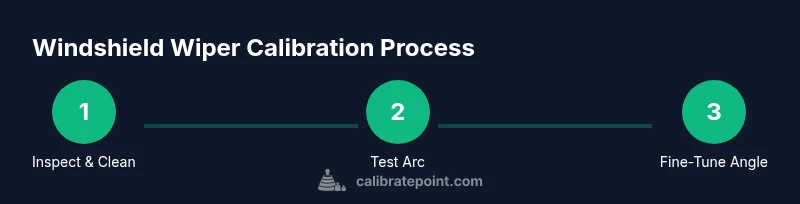
Calibration is a repeatable, cautious procedure that aligns blade seating, contact pressure, and the wipe arc. Start with a clean blade and windshield, inspect the blade and adapters for wear, and verify the park position. Re-seat the blade ensuring the adapter clicks securely, then perform a controlled wipe test using a spray bottle to observe contact across the full sweep. If you notice irregularities, make small adjustments to blade angle or arm seating and re-test. Document outcomes and schedule regular checks to keep performance consistent over time. Remember, small, incremental changes yield better results than large, forceful moves.
Common challenges and how to avoid them
Edge wear, blade aging, or a bent wiper arm can compromise calibration. Dirt buildup under the blade or on the windshield can create false patterns during testing. Avoid over-tightening adapters or bending the wiper arm excessively, which can damage the linkage. When blades are visibly worn, replacing them is often the most reliable fix, as calibration cannot restore rubber that has lost elasticity. Work slowly, test at multiple speeds, and avoid rushing the process. If you’re unsure, consult the vehicle’s service manual or reach out to a trained technician.
Maintenance habits after calibration
Schedule a quick calibration check at the start of each rainy season or after replacing blades. Clean blades and windshield monthly to prevent grime build-up. Keep the wiper park area free of obstructions, and store your vehicle in a sheltered area during extreme weather to minimize rubber degradation. A short, routine inspection—every 6–12 months for most vehicles—can help catch misalignment early and save on blade replacement costs over time.
Tools & Materials
- Wiper blades (correct size for vehicle)(Check model/year compatibility before buying)
- Screwdriver set (flat and Phillips)(Optional for adapter seating if needed)
- Isopropyl alcohol or glass cleaner(Used to clean blade edge and windshield)
- Microfiber cloths(For cleaning and drying)
- Spray bottle with plain water(Controlled test spray to observe wipe)
- Gloves(Protect hands during handling)
- Marker or tape(Label test zones on windshield)
Steps
Estimated time: 15-25 minutes
- 1
Prepare the vehicle and safety setup
Park the car on a level surface, turn off the engine, and lift the wiper arms away from the glass. This gives you full access to inspect and handle the blades without the risk of accidental movement.
Tip: Keep hands clear of the blade edge and wear gloves if possible. - 2
Inspect blades and mounting
Visually inspect blade edges for chips, splits, or missing rubber. Check the adapters for cracks or looseness and ensure the blade sits firmly in the arm connector.
Tip: Replace any worn blades before continuing. - 3
Clean blade and windshield
Wipe the blade edge and windshield with isopropyl alcohol to remove wax, grime, and debris. Dry with a clean microfiber cloth.
Tip: A clean surface improves test accuracy. - 4
Re-seat and verify park position
Reattach the blade ensuring the adapter snaps firmly into place. Check that the blade rests in the correct park position when the wipers return to rest.
Tip: A poor seat can cause misalignment across the sweep. - 5
Initial wipe test with water spray
Spritz water across the windshield while the blades operate at low speed. Observe the pattern along the full sweep for even contact and streak absence.
Tip: Look for consistent edge contact from center to edges. - 6
Fine-tune and re-test
If streaks or gaps appear, adjust the blade angle or seating slightly and re-test. Make only small adjustments and re-check.
Tip: Document each adjustment to reproduce results later. - 7
Finalize and document results
Record the outcome, including the blade type, adjustment made, and the observed wipe quality. Schedule a follow-up check at the next maintenance interval.
Tip: A simple note helps you reproduce success later.
Questions & Answers
Is calibration the same as replacing windshield wipers?
Calibration aligns blade seating and arc; replacement is needed when rubber is worn or damaged. Calibrating won't fix worn blades, but it can restore performance on well-maintained blades.
Calibration aligns the blade and arc; replace worn blades if the edge is damaged or uneven.
How often should I calibrate my wipers?
Check the wipe pattern at least once per season or whenever you notice streaks, noise, or poor visibility. Recalibrate as needed based on performance.
Check for streaks each season and recalibrate if there are issues.
Can I calibrate wipers myself at home?
Yes, with the right precautions and a clear, methodical approach. Use manufacturer guidelines and avoid forcing any components.
Yes, with care and following a solid guide.
What tools do I need for calibration?
Common tools include replacement blades, glass cleaner, microfiber cloths, and a spray bottle for testing. Specific vehicles may require adapters or model-specific blades.
Have blades, cleaner, cloths, and a spray bottle ready.
What signs mean calibration may not fix the problem?
If blading is severely worn, or if the arm or linkage is bent, calibration may not restore performance. Replacement may be necessary.
Severe wear or bent parts mean replacement is likely needed.
Watch Video
Key Takeaways
- Inspect blades and adapters before calibration.
- Test wipe patterns with controlled water spray at multiple speeds.
- Make small seating or angle adjustments; avoid forceful changes.
- Document results and schedule future checks.