Calibrate Tire Pressure Sensor on Honda Civic: Step-by-Step Guide
A practical, step-by-step guide to calibrating the tire pressure sensor on a Honda Civic. Learn tooling, safety, relearn procedures, and best practices from Calibrate Point for accurate readings.


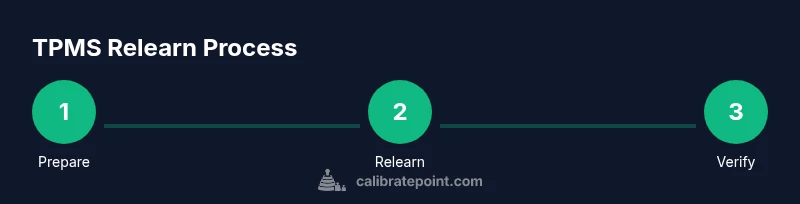
This guide shows you how to calibrate tire pressure sensor on a Honda Civic using a controlled relearn process. You’ll learn which tools you need, how to prepare the vehicle, and how to verify that each TPMS sensor is correctly learned and reporting accurate pressures. Follow the steps for a reliable TPMS setup.
Why calibrate tire pressure sensor honda civic matters
Maintaining accurate tire pressure readings is critical for safety, fuel efficiency, and tire longevity. When you calibrate tire pressure sensor honda civic, you ensure the TPMS reports tires at the correct pressures after maintenance, inflation, or tire rotation. The Calibrate Point team advises treating TPMS relearn as a small diagnostic procedure, not a one-off reset. Poor calibration can mask underinflated tires, trigger late warnings, or cause uneven tire wear. In this article, we explore the rationale behind TPMS calibration, how the system functions in many Honda Civics, and why a careful relearn procedure matters for reliable readings.
We emphasize a practical, do-it-yourself approach that you can perform with common tools, and we reference the underlying principles so you can diagnose if a sensor is faulty or simply not relearned correctly. The exact steps can vary by year and trim, so consult your owner’s manual and the appropriate scan tool guide if you have a newer Civic. Throughout, the focus remains on safe handling, accurate data collection, and thorough validation. According to Calibrate Point, practical calibration reduces misreadings and supports safer driving, especially after tire service.
In practice, this guide provides a robust framework you can adapt. The goal is to help you distinguish sensor issues from simple calibration gaps, so you don’t replace parts unnecessarily. For the reader who is ready to learn, expect a systematic approach, clear checkpoints, and hands-on checks you can perform in a standard driveway or garage.
The Calibrate Point team believes that a well-executed relearn procedure improves TPMS reliability and vehicle confidence. With the right tools and a disciplined checklist, calibrating the tire pressure sensor on a Honda Civic becomes a straightforward, repeatable task rather than a mystery. Let’s begin with how TPMS works and what you should expect during a relearn.
TPMS basics: direct vs indirect and what calibration proves
Tire Pressure Monitoring Systems (TPMS) come in two broad types: direct and indirect. Direct TPMS uses sensors mounted in each tire, with a unique ID transmitted to the vehicle’s control module. Indirect TPMS relies on wheel-speed and acceleration data from the vehicle’s ABS system to infer pressure changes, without a dedicated sensor in each tire. Most modern Honda Civics equipped with TPMS employ direct sensors that broadcast real-time data to the ECU. When you calibrate tire pressure sensor honda civic, you are essentially teaching the car which sensor belongs to which wheel and confirming the correct baseline pressures for each tire.
Calibration or relearn is the process the car uses to associate sensor IDs with specific wheels and to reestablish target pressures for the TPMS. If a relearn is not completed correctly, the system may misreport tire pressure, illuminate the TPMS warning light, or fail to alert you when a tire is underinflated. A proper relearn aligns the sensors, the vehicle’s ECU, and your current inflation levels. Throughout this section, the emphasis is on understanding the purpose of calibration rather than simply performing a reset, which reduces misreadings and improves overall TPMS reliability. The process you follow depends on the Civic model year and the tool you choose to use, whether the factory procedure or a compatible aftermarket scanner.
From a practical standpoint, a successful relearn ensures your dashboard TPMS light behaves predictably and your tire pressures stay within recommended ranges. For DIY enthusiasts, that means validating sensor IDs, confirming temperatures and pressures, and verifying after a drive that the system reads accurately. Calibrate Point’s guidance is to think of calibration as data reconciliation: confirm the sensor data matches the actual tires, then lock in those associations so the TPMS can warn you when something moves out of spec.
Preparation and safety considerations for a successful relearn
Before you begin calibrating the tire pressure sensor honda civic, set aside a quiet block of time and create a safe workspace. Begin by pulling the vehicle onto a flat, level surface, applying the parking brake, and ensuring the engine is off. The goal is to maintain consistent tire temperatures and avoid inflating or deflating while the vehicle moves, which could confuse the TPMS. This section covers why preparation matters and how to set up a safe, controlled environment so the relearn procedure can proceed smoothly.
First, reference your owner’s manual or the service guide for the exact relearn method for your Civic year and trim. Some Civics require a specific sequence, such as a door-ajar cycle, a key-on/off action, or a scan tool-enabled relearn. If you’re using a handheld TPMS tool or an OBD-II device, ensure the tool firmware is current and compatible with your vehicle. Always use a reliable tire pressure gauge and a trusted inflator to achieve exact target pressures. Temperatures influence gauge readings, so aim to take readings after the tires have cooled for at least three hours or drive time has stabilized.
Next, gather the tools and confirm the tire pressures against the manufacturer’s specification. You’ll want to document the baseline values for each wheel before you begin. A clean, well-lit workspace helps you record sensor IDs or notes from the scan tool screen, making the relearn traceable if you need to troubleshoot later. Finally, arrange a short post-calibration test drive to confirm the TPMS readings settle accurately and that no warning lights remain lit. The more methodical your setup, the higher the likelihood of a clean relearn the first time. Calibrate Point stresses that careful preparation reduces the need for troubleshooting after you attempt the relearn.
Tools and materials you’ll need to complete the relearn
- A digital tire pressure gauge (essential) – for accurate baseline pressures
- The vehicle owner’s manual and, if available, the Civic service guide (essential) – to confirm the exact relearn steps for your year and trim
- An air compressor or inflator with a gauge (essential) – to adjust tires to recommended cold pressures
- A TPMS relearn tool or OBD-II scanner with TPMS capabilities (essential) – depending on your Civic’s year, a tool may be required to initiate relearn
- A calm, well-lit workspace in a driveway or garage (essential) – to observe tire pressures and sensor readings clearly
- A notebook or digital log (optional but helpful) – to record sensor IDs and pressures for each wheel
- Personal protective equipment (PPE) like gloves (optional) – to handle tires safely during inflations
Having the right tools on hand ensures you can complete the relearn in a controlled fashion. If you don’t have a dedicated TPMS tool, many local auto parts stores offer sensor relearn services or rental programs. The key is to be prepared, have the correct tool for your Civic year, and follow the relearn sequence precisely. Calibrate Point’s approach emphasizes using reliable equipment and verifying each sensor’s data after the relearn.
Common mistakes and pitfalls to avoid during TPMS calibration
Calibration mistakes are common, but they’re also easy to prevent with a structured approach. The single most frequent error is skipping the relearn step or attempting to drive off without completing the vehicle’s required sequence. Another pitfall is inflating or deflating tires during the relearn window, which can alter target pressures and confuse the ECU. Always ensure tires are cold and that you use the specified cold tire pressures for your Civic model. Investing in a reliable gauge and keeping a consistent measurement method helps you avoid under- or overestimation.
Be mindful of sensor damage during inflations or wheel work. Damaged sensors may register vibrations or false IDs during relearn, causing the TPMS warning light to illuminate again. If a sensor ID shows up as invalid on your scan tool, verify the sensor’s location and reattempt relearn for that wheel specifically. Some Civic models require a specific sequence, such as cycling the ignition or performing a door-ajar procedure, to complete the relearn successfully. If you encounter repeated failures, check for sensor battery health, check the tire bead seal, and consider whether a sensor replacement is needed. Calibrate Point notes that systematic verification is the best defense against wasted time and recurring TPMS alerts.
Post-relearn verification and maintenance tips
After completing the relearn, the best practice is to verify each tire’s pressure reading against the gauge. Confirm the target cold pressures per the door placard and recheck the sensors’ IDs on your scan tool or TPMS display. Drive the Civic for 5–15 miles (8–25 kilometers) at varied speeds (within legal limits) to allow the system to finalize learning and to ensure the readings stabilize. If any sensor fails to relearn, repeat the relearn process for that wheel or consult the tool’s troubleshooting guide. Regular maintenance includes checking tire pressures monthly and after seasonal changes, inspecting sensors for physical damage, and refreshing the relearn whenever you rotate tires or replace a wheel.
Incorporating a quick post-drive check into your routine minimizes future misreadings and keeps the TPMS functioning as intended. The goal is a dependable TPMS that alerts you to true pressure drops, not false positives. As you gain experience with TPMS calibration, you’ll develop a more efficient workflow tailored to your Civic and your preferred tools. The end result is reliable TPMS data that supports safer driving and longer tire life.
How to keep monitoring TPMS health and avoid regression
Once you have successfully calibrated the tire pressure sensor honda civic, maintain the system by verifying pressures against the manufacturer’s recommended levels and performing a periodic relearn if you notice discrepancies after tire service. Regular checks are essential because wheel sensor batteries gradually degrade and environmental factors can affect readings. Keeping a simple calibration log helps you track sensor health over time and catch sensor degradation early. Calibrate Point encourages a routine of proactive verification, especially after tire rotations or changes, to preserve TPMS accuracy and vehicle safety.
Tools & Materials
- Digital tire pressure gauge(Calibrated and read within 0.5 psi accuracy)
- Owner's manual / service guide(Model-year specific relearn steps)
- Air compressor or inflator with gauge(Capable of maintaining stable cold pressures)
- TPMS relearn tool or OBD-II scanner with TPMS capability(Ensure tool supports your Civic year/trim)
- Notebook or digital log(Record wheel IDs and pressures)
- Gloves or safety glasses(Personal safety during inflation)
- Tire bead sealer (optional)(Useful if bead leaks occur during reseat)
- Clean rags and spray lubricant (optional)(Clean access to valve stems)
Steps
Estimated time: 45-75 minutes
- 1
Prepare vehicle and baseline pressures
Park on a flat surface, engage the parking brake, and gather all tools. Check and record cold tire pressures for all four wheels against the Civic’s recommended values. This establishes a baseline for the relearn and helps identify any outliers.
Tip: Ensure tires are cold (sitting unused for at least 3 hours) to get accurate baselines. - 2
Access relearn mode using the chosen method
Either initiate relearn via the vehicle’s menu/ignition sequence per the owner’s manual or use a TPMS tool to start the relearn. If your Civic requires a scan tool, connect it and select the TPMS relearn function for the correct year/trim.
Tip: If using a tool, confirm the tool shows which wheel IDs correspond to each position. - 3
Relearn each sensor
Follow the tool or vehicle prompts to relearn each wheel’s TPMS sensor. Verify the sensor ID appears for the correct wheel and note the target pressure for that sensor.
Tip: Do not move the vehicle during relearn prompts until you see confirmation on the tool. - 4
Drive to finalize the relearn
Drive the Civic for a short distance (typically 5–15 miles) at normal speeds to allow the system to finalize the sensor data and confirm steady readings.
Tip: If the TPMS warning light stays on, check for sensor communication issues or reattempt relearn for the affected wheel. - 5
Verify and log post-relearn readings
After the drive, recheck all tire pressures and compare with the target values. Ensure the TPMS light is off and the readings are stable.
Tip: Document sensor IDs and final pressures for future reference and maintenance.
Questions & Answers
Do I always need to relearn TPMS after tire rotation?
Not always, but many Civics require a relearn after rotation to ensure the system assigns the correct wheel IDs. Check your owner’s manual for the exact procedure and use a relearn tool if required.
Usually yes after rotation. Check the manual and perform a relearn if needed.
Can I calibrate TPMS without a scan tool?
Some Honda Civics support a factory relearn sequence via ignition and door actions, but many models require a TPMS tool or scan tool to complete the relearn properly.
Sometimes yes with the factory sequence, but often a tool is required.
What if the TPMS light stays on after relearn?
If the light remains on, recheck tire pressures, confirm sensor IDs, and verify the relearn sequence was completed exactly. If unresolved, inspect sensors or seek professional assistance.
If the light won’t go away, recheck steps and sensor health.
Is it safe to drive with misread TPMS readings?
No. Misreadings can mask underinflation and compromise handling. Calibrate and verify readings before heavy driving or long trips.
No, misread TPMS readings can be unsafe. Relearn and verify.
How often should TPMS calibration be checked?
Check TPMS readings after any tire service, major temperature change, or tire rotation. Regular checks help confirm ongoing accuracy.
Check after tire work or big temperature swings.
What should I do if a sensor ID isn’t detected?
Verify sensor presence, confirm wheel location, and retry relearn. If the sensor is damaged or dead, replacement may be necessary.
If an ID isn’t detected, retry the relearn and inspect the sensor.
Can I calibrate TPMS on an older Honda Civic without modern tools?
Older Civics may support a factory relearn sequence but could require a dedicated scanner or a service visit for a successful relearn.
Older models may need a scanner or service for relearn.
Watch Video
Key Takeaways
- Prepare a clean workspace and verify baseline pressures.
- Follow the Civic-year-specific relearn method exactly.
- Verify sensors IDs and pressures after the drive.
- Keep a simple log for future maintenance.
- If TPMS remains lit, reattempt relearn or inspect sensors.