Calibrate ZD410: Essential Step-by-Step Calibration Guide
Learn how to calibrate the ZD410 label printer with practical steps, essential tools, and best practices from Calibrate Point. Includes setup, auto-calibration, and test prints.


In this guide, you will learn how to accurately calibrate the ZD410 label printer, verify label alignment, and validate print quality. We cover practical preparation, essential tools, firmware considerations, and safe operating practices. By the end, you’ll be able to run a reliable auto-calibration, perform a test print, and document results for future reference.
Why Calibrating the ZD410 Matters
Calibrating the ZD410 is about ensuring the printer reads width, gaps, and margins correctly so every label prints with precise alignment. A well-calibrated device minimizes misprints, reduces waste, and speeds up your workflow. According to Calibrate Point, routine calibration helps maintain consistent results across shifts and different media batches. When you start with a known-good baseline, you can confidently adjust for new label stock without guessing. This is especially important in high-mix environments where accuracy translates to fewer rejects and happier customers.
Tools and Setup You’ll Need
Before you start, gather the essentials and verify compatibility. A properly prepared workspace with a clean surface reduces the chance of misfeeds. You’ll want the ZD410 printer, calibration/verification labels of appropriate width, a measuring tool (ruler or caliper), a computer or mobile device with the printer software, and a reliable USB or network connection. Keep a lint-free cloth handy for quick cleaning of media paths. If you’re updating firmware, have the latest version ready to install. The goal is to minimize variables during the calibration process so results are repeatable.
Auto-Calibration vs Manual Adjustments
ZD410 calibration typically includes an automatic calibration routine that uses intrinsic sensors to detect media width and gap. Auto-calibration is fast and convenient, but may require manual tweaks if you use unusual label stock or nonstandard gaps. Manual adjustments involve setting the label width and gap values in the printer settings, followed by test prints to verify alignment. Calibrate Point notes that combining auto-calibration with targeted manual tweaks often yields the most reliable results, especially when switching media suppliers or stock types.
Common Calibration Pitfalls and How to Avoid Them
Common issues include misreads from dirty media, incorrect label width input, and feeding stock that isn’t properly aligned. To avoid these, keep labels clean and free of dust, ensure the media guides are snug but not tight, and double-check the width value in the printer settings before running calibration. If possible, perform calibration with the same media you’ll print most frequently and avoid mixing label stocks during the same session. Regular maintenance, such as cleaning the sensor window, can prevent phantom errors.
Validating Calibration: Test Prints and Documentation
After calibration, print a few test labels to inspect horizontal and vertical alignment. Look for slight shifts, blurry edges, or misregistered text. If anything looks off, repeat the auto-calibration or adjust the width/gap values and reprint. Document the settings you used, including media type, width, and any manual tweaks, so future calibrations start from a known baseline. This documentation reduces downtime and speeds up troubleshooting when media changes again.
Tools & Materials
- ZD410 label printer(Connected to power and accessible from your computer)
- Calibration/verification labels(Labels matching your printer's native width)
- Measuring ruler or caliper(Metric preferred; include inches if needed)
- PC or mobile device with printer software(Install latest drivers and firmware)
- USB cable or network access(For initial setup and firmware checks)
- Lint-free cloth and isopropyl alcohol(Clean media path and sensor window as needed)
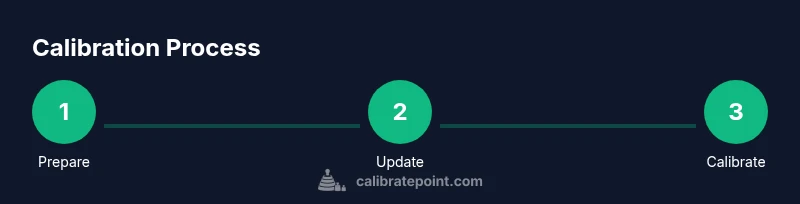
Steps
Estimated time: 30-45 minutes
- 1
Power on and prepare media
Power up the ZD410 and load fresh media and calibration labels. Verify the media path is clear and guides are properly aligned. This ensures the printer reads media dimensions accurately during calibration.
Tip: Use clean, fresh labels to avoid misreads caused by residue or dust. - 2
Update firmware and drivers
Check for and install the latest firmware and printer drivers. Updated software helps the calibration algorithm interpret sensor data correctly and reduces post-calibration surprises.
Tip: If a firmware update is available, perform it before starting calibration to align with new calibration logic. - 3
Load media and calibration labels
Place calibration labels compatible with your stock width and ensure the guides lightly clamp the media. Avoid over-tightening which can distort the label path.
Tip: Use labels of the same stock you’ll print most often to reflect real-world results. - 4
Run auto-calibration
Initiate the auto-calibration routine from the control panel or printer software. Let the printer sense width and gap automatically, then review the reported values.
Tip: If the results look off, re-run the auto-calibration without moving media or guides. - 5
Adjust width/gap if needed
If auto-calibration is unsatisfactory, manually input the label width and gap values and re-run a few test prints until alignment is consistent.
Tip: Record the final width and gap values for future calibrations. - 6
Print test labels and verify
Print multiple test labels to confirm horizontal and vertical alignment. Inspect edges, font clarity, and spacing; adjust if necessary and reprint.
Tip: Keep a small log of test results to track calibration stability over time.
Questions & Answers
What is calibrating the ZD410?
Calibration ensures the printer accurately detects label width, gaps, and margins for precise print alignment. It helps reduce misprints and wasted labels.
Calibration helps ensure precise label alignment and reduces misprints.
Do I need to update firmware before calibration?
Firmware updates can influence calibration behavior. Update if available, then perform calibration to benefit from fixes and improvements.
Update firmware if available, then calibrate.
Can I calibrate without calibration tools?
Basic calibration can be done with standard media and built-in controls, but using proper labels and measurement tools improves accuracy.
You can calibrate with the printer and labels, but tools help.
How long does calibration take?
Calibration time varies with media and setup. Plan for a focused session and expect a thorough calibration process.
It varies; set aside a focused calibration session.
What if auto-calibration fails?
Reseat media, clean the sensor window, reboot the printer, and retry the auto-calibration. If issues persist, switch to manual input for width and gap.
Retry auto-calibration after cleaning, and consider manual inputs if needed.
Watch Video
Key Takeaways
- Verify media width matches printer settings.
- Run auto-calibration first for quick results.
- Print a test label to confirm alignment.
- Document results for future calibrations.