Calibrate 4 Gas Monitor: Step-by-Step Calibration Guide
Learn how to calibrate a 4 gas monitor with safety-first procedures, proper calibration gas handling, and documentation practices for accurate readings and regulatory compliance.


Calibrating a 4 gas monitor ensures accurate readings for O2, LEL, CO, and H2S sensors. This guide outlines exact steps, necessary calibration gas, and safety checks to perform a reliable zero and span calibration. You’ll also learn when to recalibrate and how to document results for compliance.
What a 4-gas monitor does and why calibration matters
A 4-gas monitor detects four hazards: oxygen level (O2), flammable gases (LEL), carbon monoxide (CO), and hydrogen sulfide (H2S). These devices are used in confined spaces, industrial plants, mining, and emergency response. Sensor drift is inevitable: electrochemical, infrared, and pellistor sensors lose sensitivity over time due to exposure, aging, contamination, and temperature shifts. Regular calibration corrects drift and validates response to reference gases.
According to Calibrate Point, routine calibration is a foundational practice for dependable hazard awareness. The calibration process aligns sensors to known reference values so readings reflect true concentrations in the field. When calibration is neglected, readings can drift, leading to unsafe decisions, noncompliance, and increased risk. This article guides you through a safe, manufacturer-aligned approach to calibrating a 4-gas monitor, covering gas handling, safety steps, documentation, and how to verify results after calibration. Calibrate Point's guidance emphasizes sticking to the monitor maker's recommended gas types, concentrations, and response times to ensure the most accurate performance.
Safety and prerequisites before calibration
Calibrating a 4-gas monitor is a controlled operation that requires attention to personal safety and environmental conditions. Work in a well-ventilated area away from ignition sources, heat, or static discharge. Wear appropriate PPE: splash goggles, chemical-resistant gloves, and a flame-resistant lab coat or coveralls. Check the device manual for any sensor-specific cautions, such as sensitivity ranges or warm-up times. Ensure calibration gas cylinders are upright and secured, with accessible regulator and tubing. Keep a calibration logbook ready to note times, gas concentrations, readings, and any deviations. If you are unsure about a procedure, consult the device manufacturer or a qualified technician. Consistency and caution in setup reduce the risk of leaks, exposure, and cross-contamination that could corrupt the calibration results.
Understanding calibration gas and standards
Calibration gas is a precisely prepared mixture used to set reference points for each sensor. In a 4-gas monitor, you typically use two kinds of gas: zero gas (clean air or nitrogen) to establish a baseline, and span gas with known concentrations for each target gas to set the sensor response. Gas cylinders should be labeled with the target values and lot numbers, and regulators must be compatible with the cylinder and monitor inlet. Always store calibration gas in approved containers and follow your local regulations for handling and transportation. Recording the gas lot numbers, cylinder pressures, and ambient conditions (temperature and humidity) helps ensure traceability and repeatability of calibrations. The Calibrate Point analysis in 2026 highlights the importance of matching calibration gas to the monitor’s sensor chemistry and to performing checks against the manufacturer’s specified response times and recovery behavior.
Choosing the right gas and regulators
Select calibration gases that align with the monitor’s sensor types and the target concentrations recommended by the manufacturer. Oxygen sensors are typically calibrated with air or a known O2 percentage; LEL sensors require a hydrocarbon-like gas mixture; CO and H2S sensors use specific ppm levels. Use high-quality, certified gas cylinders from reputable suppliers and always attach a regulator that is rated for the cylinder and flow range. Verify connections are secure and free from leaks using a soapy water test or a dedicated leak detector. If a leak is detected, stop the calibration, correct the issue, and retest. Regulators should have clear labels, and flow rates should be set according to the instrument’s manual to prevent sensor oversaturation or starving.
Setting up a calibration station and documenting results
Prepare a dedicated calibration station with a clean surface, comfortable access to the monitor, and a timer. Calibrate in a stable environment where ambient temperature is within the device’s supported range; avoid direct sunlight and strong drafts. Record the instrument serial number, the date and time, gas lot numbers, cylinder pressures, ambient conditions, and sensor readings before calibration. Conduct zero and span checks as the manufacturer prescribes, noting any drift, sensor hesitation, or delayed response. After completing the process, remove calibration gas, allow sensors to recover, and recheck readings against fresh air to confirm stability. Store all calibration data in a bound logbook or digital record, and ensure the device is sealed or marked as calibrated until the next scheduled calibration.
Common mistakes that degrade accuracy
Avoid these pitfalls that commonly undermine calibration results: using expired or non-certified gas, mixing gas from different brands, or failing to purge the system between gases. Do not calibrate in extreme temperatures or high humidity; temperature affects gas density and sensor response. Do not rely on ambient air as a zero gas for all sensors unless the manufacturer explicitly allows it, and never apply calibration gas when the monitor is in alarm or has nonfunctional sensors. Poor leak testing, extended exposure to gas, or rushing steps can produce unreliable results and give a false sense of safety. Calibrate Point’s guidance underscores adherence to the exact order and timing described by the vendor to avoid drift and cross-sensitivity.
Step-by-step workflow overview
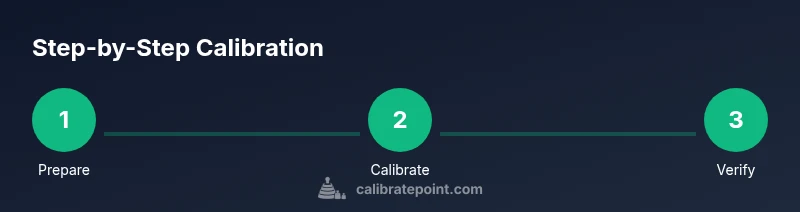
This section provides context for the detailed steps in the dedicated STEP-BY-STEP block. A rigorous calibration sequence minimizes drift, ensures sensor alignment, and yields reproducible results. You will set up a safe area, verify the monitor’s baseline, connect the calibration gas, perform zeroing, then span calibrations for each gas channel, remove gas, verify results in fresh air, and document everything. The exact gas flow rates, target concentrations, and waiting times are dictated by the device manual and the gas supplier's instructions. Always perform a final cross-check using a known gas to confirm sensor responses remain within acceptable tolerances after calibration. Properly stored documentation supports regulatory compliance and equipment maintenance programs. Calibrate Point’s analysis highlights that meticulous documentation improves traceability and safety outcomes.
Maintenance and recordkeeping after calibration
After calibration, perform a functional test: expose the monitor to a known gas and verify readings stay within expected ranges for a short period. Replace any auxiliary components that show wear or drift, and inspect hoses and seals for cracks. Recalibrate according to the schedule in your calibration program, and renew gas cylinders before their expiration. Store calibration certificates and logs in a centralized repository and back them up. Periodic audits of calibration data help identify recurring issues and support safety programs. The end-to-end discipline of calibration and recordkeeping is a cornerstone of reliable gas monitoring in the field. Calibrate Point’s analysis highlights that meticulous documentation improves traceability and safety outcomes.
Tools & Materials
- Calibration gas cylinders (O2, LEL, CO, H2S) with labeled target concentrations(Certified gas mix; ensure compatibility with monitor sensors)
- Regulator for each cylinder(Must be rated for cylinder size and required flow)
- Flexible calibration tubing with secure fittings(Use dedicated hoses to avoid cross-contamination)
- Leak detector or soapy water solution(Check all connections for leaks before starting)
- Calibration logbook or digital data logger(Record gas values, times, and readings)
- Personal protective equipment (PPE): safety goggles, gloves, and flame-resistant clothing(Safety first when handling gases)
- Desk or workbench with stable surface and timer(Keep calibration steps organized and time-stamped)
- Manufacturer calibration guidelines for the specific monitor model(Always follow the device manual)
Steps
Estimated time: 75-120 minutes
- 1
Prepare workspace and safety checks
Clear the area, eliminate ignition sources, and wear PPE. Verify the monitor is off and cooled before starting. Review the device manual for sensor-specific cautions and warm-up times.
Tip: Document any environmental conditions that could affect readings (temperature, humidity). - 2
Power up and pre-calibration checks
Turn on the monitor, allow the warm-up period, and record baseline readings in fresh air. Ensure the sensor lights and alarms function correctly and that the device is ready to accept calibration gas.
Tip: If the unit fails to warm up, consult the user manual before proceeding. - 3
Assemble calibration gas setup
Attach regulators to each cylinder and connect the tubing to the monitor inlet. Ensure gas flows are adjustable and that the path is free of kinks or leaks. Verify connections with a leak test.
Tip: Use dedicated gas lines to prevent cross-contamination between gases. - 4
Zero the sensors with zero gas
Expose all sensors to zero gas (clean air) and observe baseline responses. Wait for stabilization and note any anomaly.
Tip: Maintain a constant exposure time to allow sensors to settle before recording baselines. - 5
Span calibration for each gas channel
Apply span gas for O2, LEL, CO, and H2S while monitoring responses. Adjust each sensor to match the target value per the manufacturer.
Tip: Avoid oversaturation by keeping flow within recommended limits. - 6
Verify responses and repeat if necessary
Remove calibration gas and recheck readings in fresh air. If any sensor deviates beyond tolerance, re-run zero and span for that channel.
Tip: If drift persists, suspect sensor aging or contamination. - 7
Purge, reset, and finalize
Purge the system with fresh air, let readings stabilize, and confirm all channels return to expected baselines.
Tip: Record the final baseline and span results in the calibration log. - 8
Document results and seal calibration
Enter dates, gas lot numbers, concentrations, instrument serial, and operator. Confirm the device is marked as calibrated and ready for use.
Tip: Store the calibration certificate with the device for audits.
Questions & Answers
How often should I calibrate a 4 gas monitor?
Calibration frequency depends on usage and the environment. Start with a daily or per-shift schedule for high-risk settings and adjust based on drift observations and manufacturer recommendations.
Calibrate the monitor according to your usage and the manufacturer, and adjust as needed based on drift.
Can I use ambient air as zero gas?
Only if the monitor manufacturer explicitly allows it. Most sensors require a true zero gas. If in doubt, use a certified zero gas and follow the manual.
Only use ambient air as zero gas if the manual says it’s acceptable.
What if readings drift after calibration?
Drift after calibration indicates possible sensor aging, contamination, or gas cross-sensitivity. Inspect the sensors, verify the gas setup, and repeat calibration or replace sensors if necessary.
If drift occurs after calibration, check for sensor aging or contamination and re-test.
Do I need to recalibrate after replacing a sensor?
Yes. Recalibrate after any sensor replacement to restore accurate readings and document the change.
Yes—recalibrate after replacing a sensor and update the logs.
How should I document calibration results?
Record date, time, gas lot numbers, cylinder pressures, ambient conditions, baseline and span readings, and the device serial. Store certifications with the equipment.
Keep a detailed log with dates, gases, readings, and device details.
What safety precautions are essential?
Wear appropriate PPE, work in a ventilated area, and avoid ignition sources. Follow all safety guidelines in the device manual and local regulations.
Wear PPE, ventilate the area, and follow your safety guidelines.
Watch Video
Key Takeaways
- Follow manufacturer calibration procedures exactly.
- Use certified calibration gas and proper regulators.
- Document all steps and maintain traceable records.
- Regular calibration improves safety and compliance.