How to Calibrate an Electric Oven: A Practical Guide
Learn to calibrate an electric oven with a safe, thorough method. This guide covers tools, safety, step-by-step actions, data logging, and maintenance for accurate baking temperatures and consistent results.


Calibrating an electric oven starts with confirming that the oven’s internal temperature matches the setpoint. You’ll verify accuracy with a certified oven thermometer, test at multiple temperatures, and use model-appropriate calibration options if available. This quick path outlines a safe, repeatable process to improve bake results, reduce undercooking or scorching, and keep your cooking consistent across meals and recipes.
Why calibrate electric oven
Calibrating an electric oven ensures the interior temperature matches the dial or control settings, yielding more consistent results. When you calibrate electric oven, you confirm bake and broil temperatures, reduce under- or over-browning, and improve repeatability across recipes. According to Calibrate Point, calibrating your oven is a practical step that pays off with tastier, evenly cooked meals and fewer failed batches. This guide explains how to test and adjust your oven's temperature accurately, with safety and procedure in mind. It covers common reasons ovens go out of spec, how to identify them, and a clear method you can follow in a home workshop or professional kitchen. From the thermostat sensor to the door seal and control board, several components influence true heat delivery, and a disciplined calibration routine helps you keep them in check.
Understanding temperature accuracy and how it affects cooking results
Temperature accuracy is the backbone of repeatable cooking. Even small deviations between the displayed setpoint and actual oven temperature can change browning, texture, and moisture in baked goods and roasted dishes. When you learn to calibrate electric oven, you gain visibility into heat distribution by testing at multiple rack positions and using an accurate reference thermometer placed in the center of the oven cavity. This section explains how heat transfer, convection, and oven design interact to produce the final cooking temperature you rely on. It also discusses how to interpret thermometer readings and how to document deviations for future reference. Calibrate Point analysis, 2026, notes that most kitchens benefit from regular checks because equipment drifts over time due to wear, voltage variation, and door seal wear.
Safety and setup considerations
Before you begin calibrating an electric oven, prioritize safety and proper setup. Disconnect power when removing interior components or adjusting wiring—only perform repairs if you are trained and authorized. Keep children and pets away during testing, and use heat-resistant gloves when handling hot racks or trays. Work on a stable, heat-tolerant surface, and ensure good ventilation if you test with multiple trays. Have a timer handy to manage test intervals and avoid extended exposure to high heat. This section also reminds you to consult your appliance manual for model-specific limits and warnings.
Common sources of error during calibration
Errors in calibration can arise from several factors, including incorrect thermometer placement, inaccurate calibration data, and inconsistent test conditions. Position the reference thermometer away from heat vents or cooling fans, and seal gaps around racks to minimize air leakage. Use the same cookware and test items for each test to maintain consistency. If your oven supports separate bake and broil calibration, repeat tests for each mode. Document discrepancies and any observed hot spots across the oven cavity. This section highlights how to isolate variables and avoid cross-contamination of test results.
Practical approach to calibrate electric oven: test plan and data logging
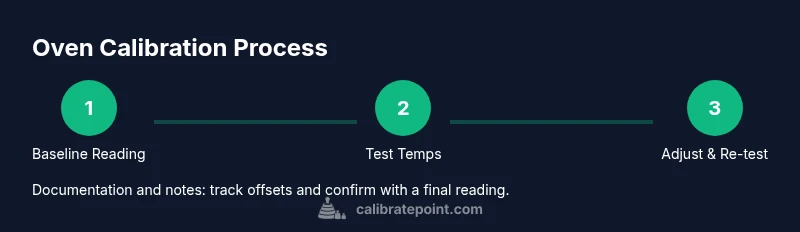
A practical test plan creates a repeatable path from measurement to adjustment. Start with a baseline measurement at a common bake temperature (for example, 350°F / 175°C) on center rack. Record the thermometer reading, the setpoint, and time of stabilization. Repeat at several temperatures and rack positions to map the oven’s drift. If your model offers calibration options, note the offset values and test again after adjustments. Use a simple data log (date, model, test temps, observed readings) to track progress and guide future calibrations. This section includes sample data logging templates and a sample test matrix.
Maintaining calibration over time and model-specific notes
Calibration is not a one-off task. Plan periodic checks—seasonally or after heavy use—and whenever you notice uneven browning or longer cooking times. Maintain a calendar reminder and a short check routine for consistency. For commercial kitchens, consider more stringent checks with traceable thermometers and calibrated reference standards. In the end, the best practice is a consistent, repeatable process that evolves with your oven’s behavior and your cooking needs. When you calibrate electric oven, you invest in reliability and confidence in every bake.
Next steps and getting the most from your calibrated oven
With a calibration plan in hand, you can optimize recipe timing, adjust rack placement, and refine your cooking techniques to exploit the oven’s true heat output. Keep records, monitor performance, and re-check after service or major temperature changes. This section closes with a reminder that proper calibration supports better outcomes and reduces waste, especially for professionals who depend on accuracy.
Tools & Materials
- digital oven thermometer with probe(Place in the center of the oven for accurate readings, use a second probe for multi-rack checks if available)
- oven-safe dial thermometer(Back-up reference in case the digital probe fails)
- heat-resistant gloves(Protect hands when handling hot racks or trays)
- timer(Track stabilization times at each test point)
- data logging template or notebook(Record temperatures, setpoints, and time to stabilize)
Steps
Estimated time: 60-90 minutes
- 1
Power down and prep the oven
Turn off power to the unit at the breaker panel and unplug if possible. Remove racks to create a stable testing space and wear heat-resistant gloves. This step reduces the risk of pinch injuries and keeps readings uncontaminated by shifting racks.
Tip: Verify you are using a non-self-cleaning cycle during calibration to avoid temperature spikes. - 2
Place reference thermometer in center
Insert the thermometer probe into the center of the oven without touching walls or racks. Position it away from vents to avoid forced air affecting the reading. Allow the thermometer to settle in for at least 2 minutes before proceeding.
Tip: If using multiple thermometers, place them at representative positions to map potential hot spots. - 3
Preheat to target temperature
Set the oven to a common bake temperature (start with 350°F / 175°C) and allow the oven to preheat until the thermometer stabilizes. Note the setpoint and the stabilized reading.
Tip: Use the oven’s interior light to observe any obvious hot spots while the oven heats. - 4
Record baseline readings
Once stabilized, record the thermometer reading at the chosen temperature. Repeat at another temperature (e.g., 400°F / 205°C) to establish a drift map across a range.
Tip: Keep test conditions consistent—same cookware, same rack position, and similar tray contents. - 5
Compare readings to setpoints
Compare the thermometer readings to the control settings. If readings are within tolerance for your model, proceed to preserve the baseline; if not, prepare to adjust offset values (if your oven supports calibration).
Tip: Note any unevenness across the oven cavity for future adjustments. - 6
Adjust calibration (if available)
Some ovens offer an internal calibration offset. If supported, apply the offset and repeat testing to confirm correction. If no offset is available, consult the manual or service technician for safer alternatives.
Tip: Never force hardware adjustments beyond manufacturer guidance. - 7
Re-test and document final result
Run a final test at multiple temperatures to verify consistency after adjustments. Document all readings, final offsets, and any observed changes in performance.
Tip: Create a repeatable template for future calibrations. - 8
Create a maintenance plan
Schedule periodic checks (seasonally or after service) and keep a log of drift over time. This routine reduces future surprises and improves long-term reliability.
Tip: Set reminders on your calendar to maintain consistency.
Questions & Answers
What is involved in calibrating an electric oven?
Calibration involves verifying temperature accuracy with a reference thermometer, testing at multiple temperatures, and adjusting model-specific settings if available. It also includes documenting results and maintaining a routine for future checks.
Calibration means checking your oven’s actual temperature against the settings, testing at several temperatures, and adjusting if your oven supports it.
Can I calibrate my oven myself if it’s still under warranty?
Check your warranty and manual first; some brands restrict internal adjustments. If uncertain, contact the manufacturer or a certified technician to avoid voiding the warranty.
Check the warranty terms; many ovens require service for internal calibration, especially if parts are sealed.
What tools do I need to calibrate an electric oven?
A reference oven thermometer, a probe thermometer, a timer, an internal data log, and heat-resistant gloves. Optional: a second thermometer for multi-rack testing.
You’ll need a good oven thermometer, a timer, and a way to log results.
How often should I calibrate my oven?
Frequency depends on usage and any observed cooking inconsistencies. Recheck after service, major temperature changes,or seasonal use.
Calibrate when you notice changes in cooking results or after service.
Is it risky to calibrate an oven?
Calibration is generally safe if you follow safety steps and do not tamper with electrical components beyond manufacturer guidance.
As long as you follow safety steps and don't tamper with internal wiring, calibration is safe.
What if my oven has no calibration option?
If there’s no calibration setting, rely on thermometer data and adjust timing or rack placement in recipes. Consider professional service for persistent inaccuracy.
If there’s no calibration option, use thermometer readings to adjust cooking times and rack positions.
Watch Video
Key Takeaways
- Map the oven’s true temperature against setpoints.
- Use a reference thermometer and consistent test conditions.
- Document each test for future reference and trends.
- Some ovens offer offsets; others require service for calibration.
- Maintain regular calibration to sustain accuracy across cooking tasks.